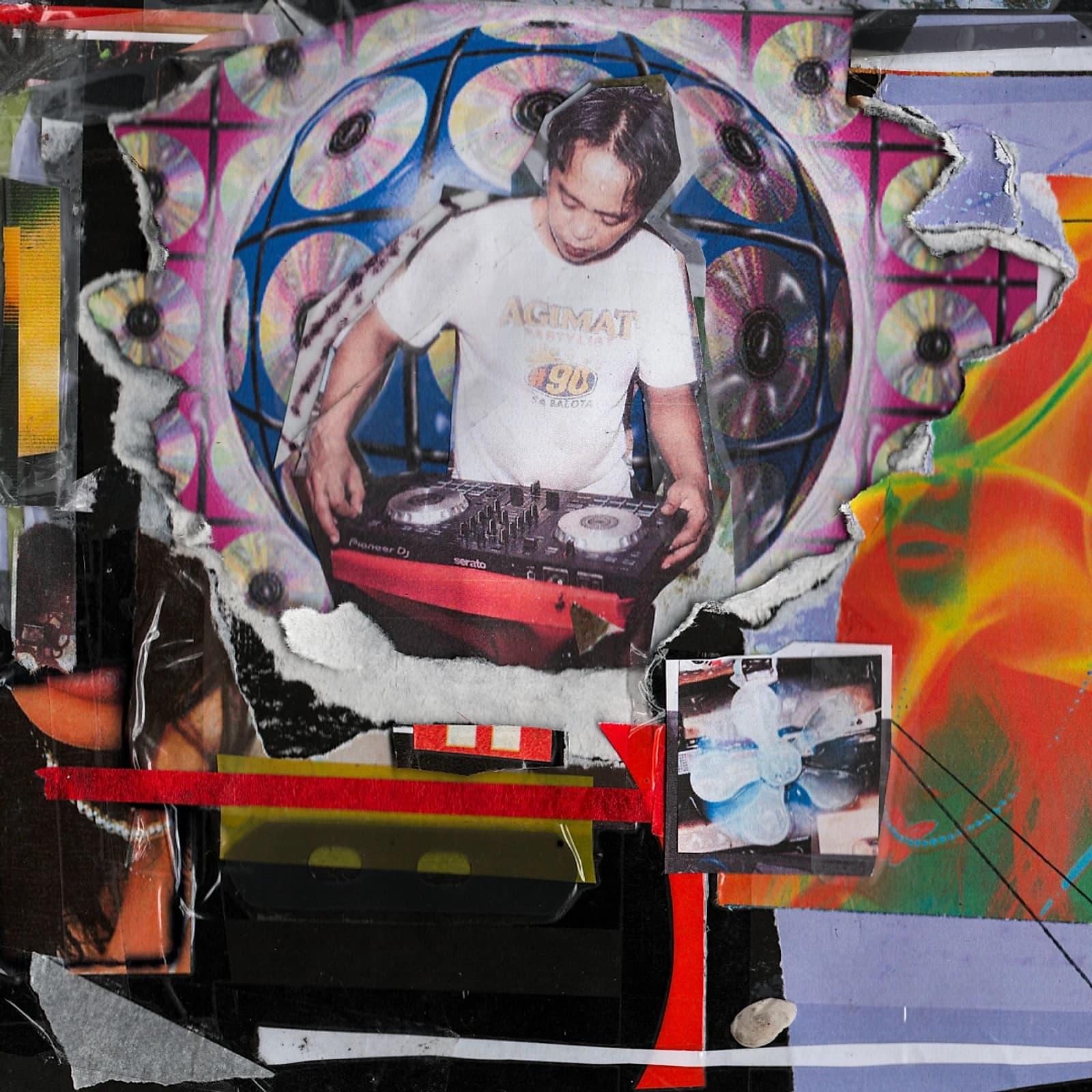
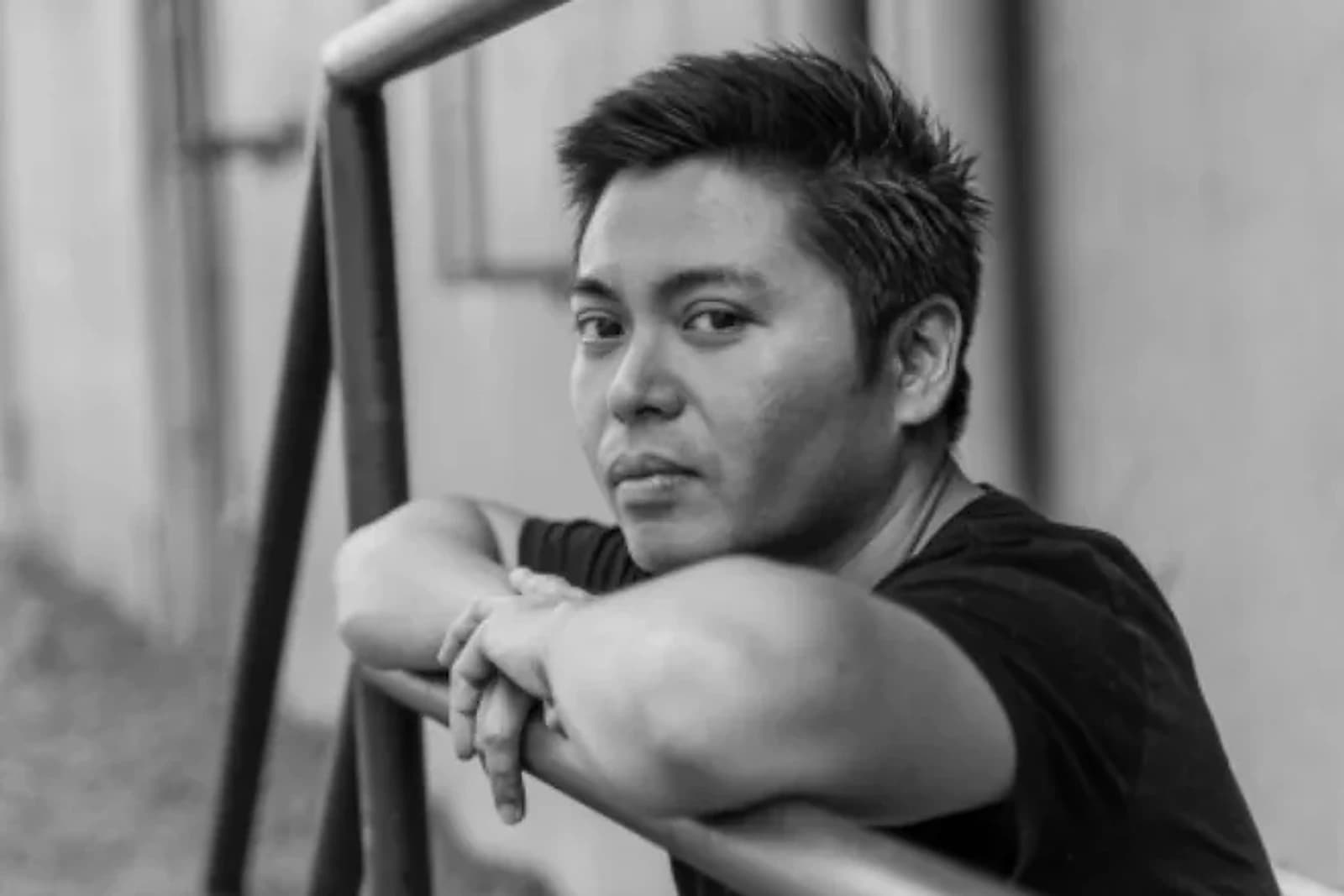
What Is Post-Budots, Explained: obese.dogma777 Stepped In for Tuna at Berghain
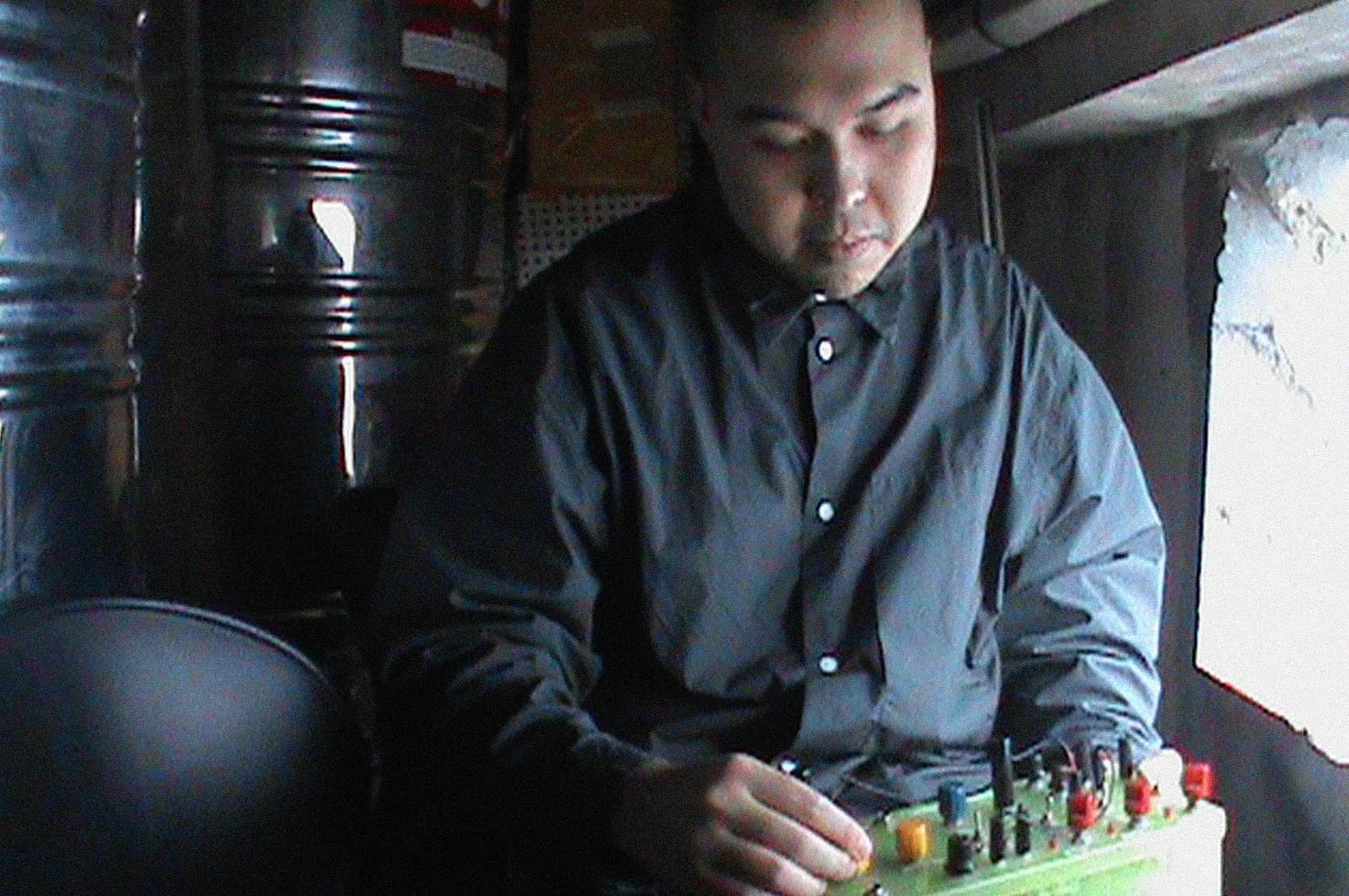
obese.dogma777 co-founded Manila's BuwanBuwan Collective in 2012. He later stepped in for Tuna to play a set at Berghain.
Official link
obese.dogma777 has played Berghain. Budots, the genre he grew up on, still gets written off in Manila as a joke, the music that soundtracks viral dance clips and blasts out of souped-up tricycle sound systems in Mindanao. Those two facts don't sit comfortably together, and the gap between them is exactly where he's chosen to work.
His name on a passport is Jorge Wieneke V. He's spent over a decade releasing music under different aliases, first as similarobjects, now as obese.dogma777, and in that time he's built one of the more unlikely resumes in Southeast Asian electronic music: Boiler Room guest, NTS Radio host, Berlin workshop lecturer, and, as of 2025, Berghain performer.
From Bedroom Producer to Collective Founder
Wieneke co-founded BuwanBuwan Collective, the experimental music group that would later spin off Club Matryoshka, a nightclub Wieneke first built inside Minecraft before opening a physical version in Manila's Poblacion district. That story, and BuwanBuwan's growth into the real-world club now known as Apotheka, is its own piece. Under the similarobjects name, he was once a 27-year-old producer teaching electronic music at two Manila universities and releasing on Darker Than Wax. The gear has changed. The instinct to teach hasn't.
What Post-Budots Actually Sounds Like
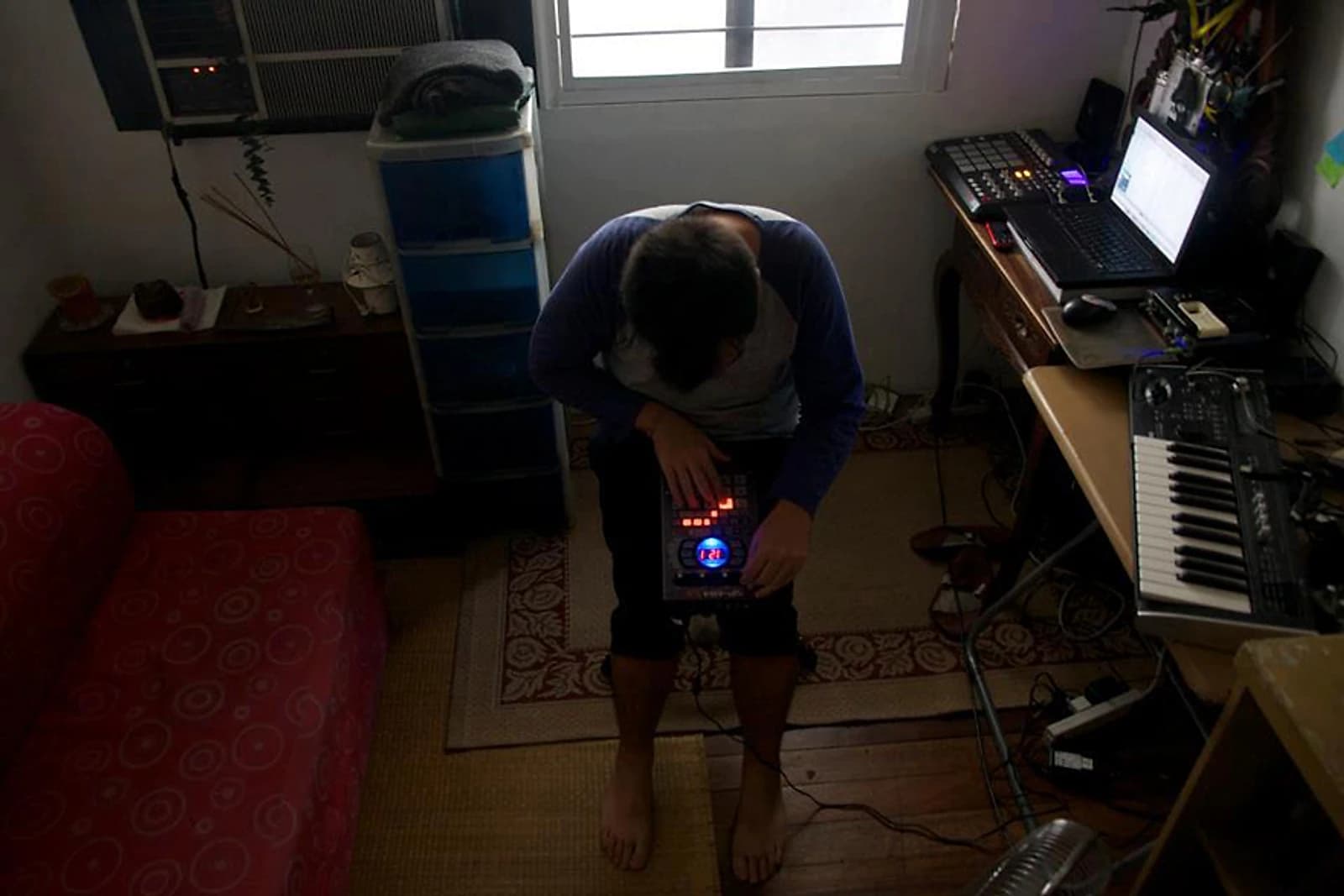
Budots, broadly, runs at around 140 BPM, built for tricycle sound systems and street parties rather than clubs. What Wieneke and a loose circle of Manila producers now call post-budots breaks that structure apart, folding in jersey club's syncopated kicks, footwork's rapid-fire edits, and gabber's distorted low end. It's less a fixed genre than a shared refusal to stay inside budots' old rules. "Post-budots is like a statement against the gatekeeping culture, scene politics, and elitism of these systems," Wieneke told Rolling Stone Philippines.
That statement only carries weight because of who budots belongs to. The genre comes out of Davao and the rest of Mindanao, a region the rest of the Philippines has historically treated as a punchline rather than a source of music. Post-budots keeps that lineage visible while dragging it into rooms budots was never supposed to reach.
Manila to Berghain
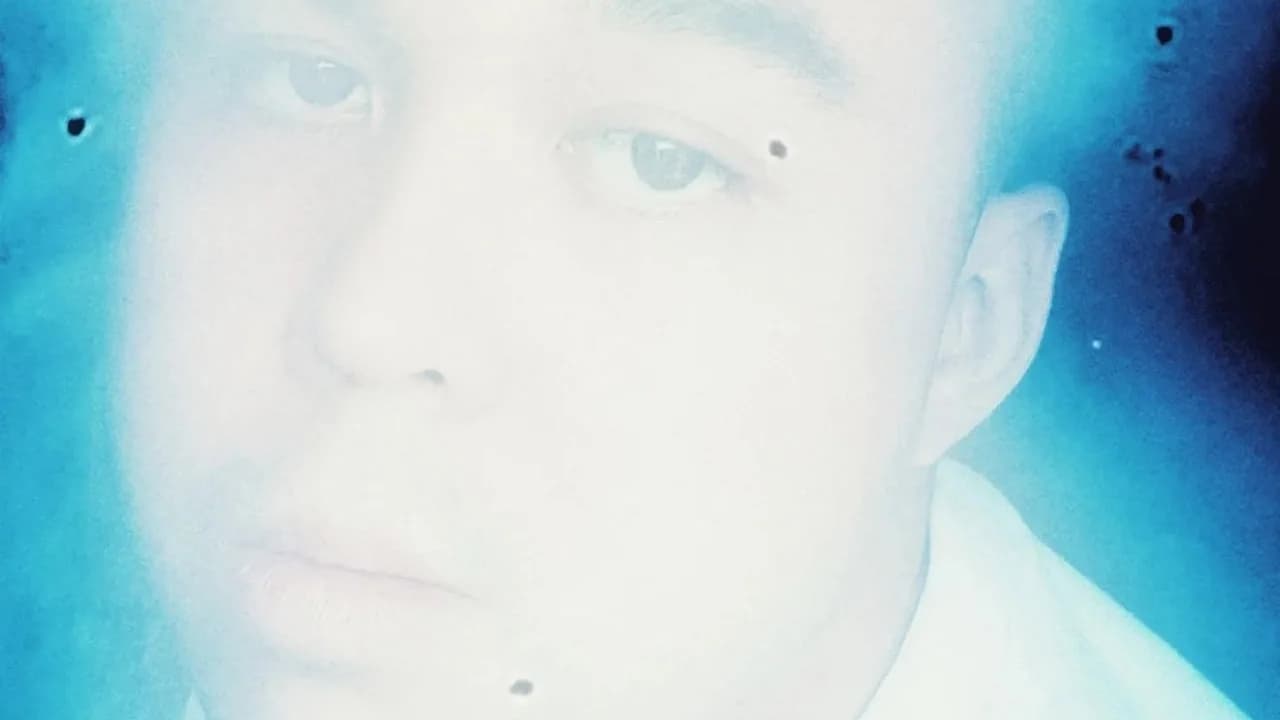
Wieneke met DJ Love, the Davao-born originator of budots, at a Boiler Room session in Manila in 2023. He became his manager and started touring with him across the region. In January 2025, as part of CTM Festival's program in Berlin, Wieneke gave a workshop and lecture on post-budots, then played a set of his own at Berghain's Ostgut room, stepping in for DJ Love, who had been invited but pulled out after falling ill.
The Boiler Room session featured both obese.dogma777 and Pikunin. It came through Boiler Room's Broadcast Lab grant, which picked Manila Community Radio as one of its recipients. Wieneke has carried that audience further since: a 2024 slot on Refuge Worldwide, the Berlin radio platform, and his own show on NTS Radio, Maiba Taya!, whose April 2024 episode ran entirely Filipino pluggnb rather than post-budots. He doesn't repeat himself, even on his own airtime.
None of this has made post-budots a genre with a Wikipedia page or a Beatport chart category. It's still mostly a handful of Manila producers, a manager, and DJ Love's own catalogue, carried from tricycle-side street parties to a club in Berlin that most Southeast Asian artists never get near.
Cover photo: Jorge Wieneke, via Rolling Stone Philippines.