
What Is Tech House? Dom Dolla Is Giving Southeast Asia Two Dates in Three Weeks
Tech house explained: the BPM range, where it came from, how it differs from house and techno, and why Dom Dolla is playing Singapore and EDC Thailand Phuket three weeks apart.
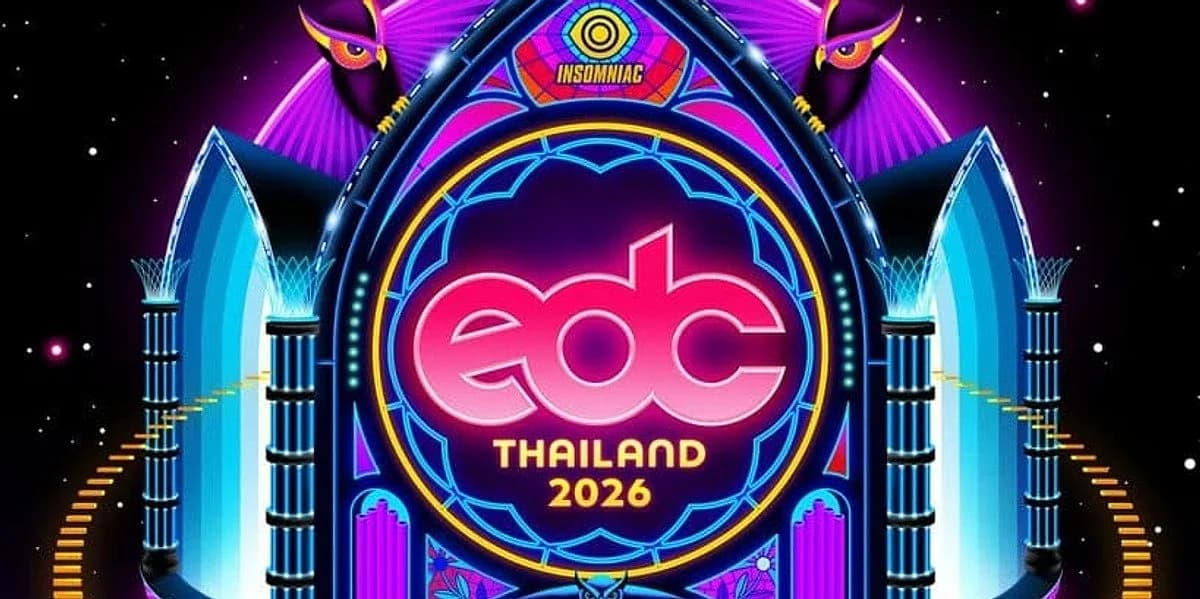
Dom Dolla plays Southeast Asia twice in three weeks this year. On November 27 he headlines his first-ever Singapore show at Pasir Panjang Power Station, a solo set promoted by Collective Minds Asia with general admission running SGD 168 and a VIP package at SGD 288. Three weeks later, on December 18 to 20, he's on the bill at EDC Thailand's second 2026 edition at Rhythm Park in Laguna Phuket, alongside Charlotte de Witte, Tiësto and Vintage Culture. Both stops run on the same sound: tech house, the genre that has quietly become the default setting for big-room electronic music without most dancers stopping to name it.
What tech house actually sounds like
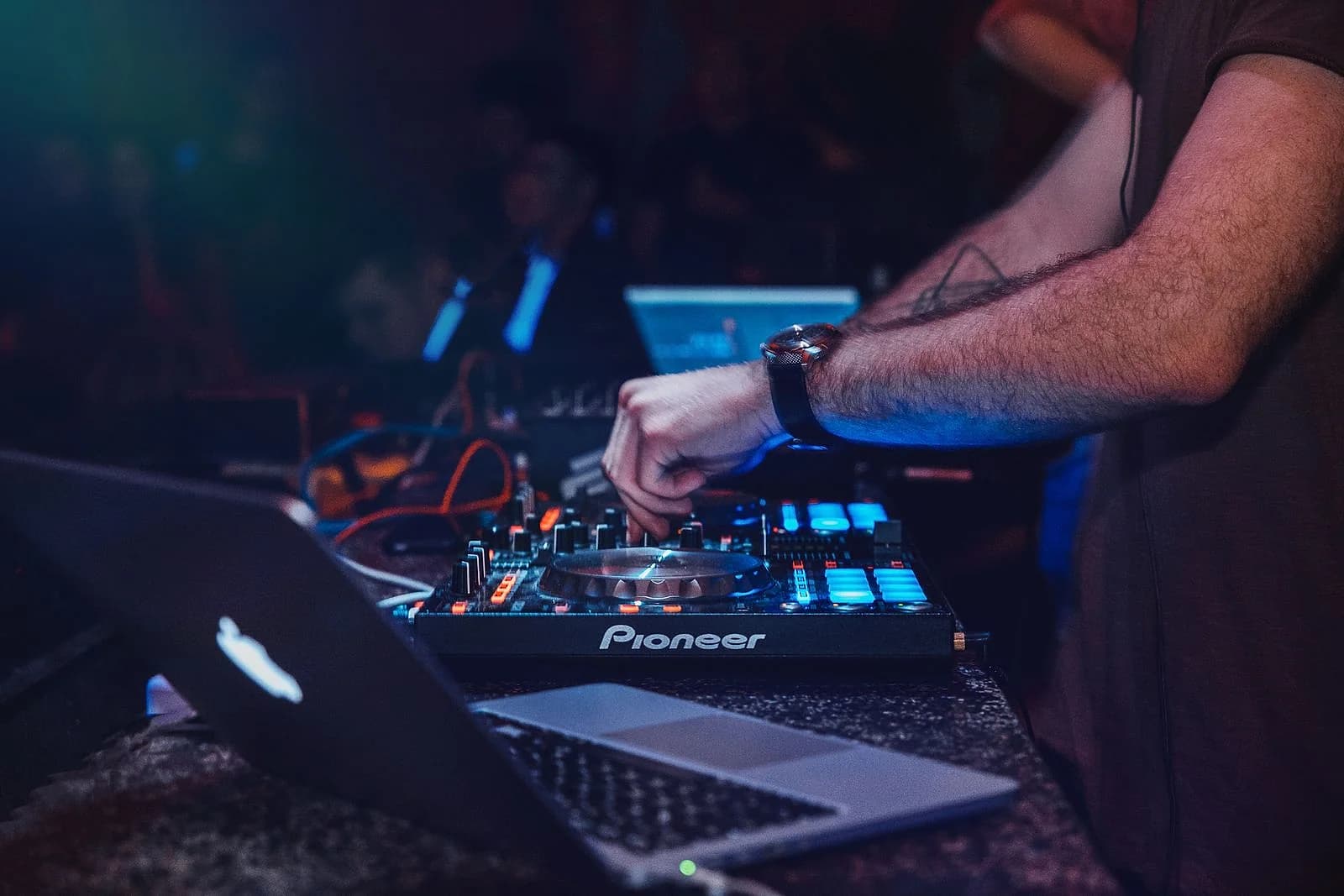
Tech house sits in the gap between house's swing and techno's drive: a steady four-on-the-floor beat, usually in the 124 to 128 BPM range, built around a rolling bassline rather than a big vocal hook. The drums stay tight and punchy, the arrangements are built for DJs to mix in and out of rather than to stand alone as songs, and the tension lives in the bassline bouncing against the kick more than in a chorus. It's groove-first music. If house music is about the song and techno is about the machine, tech house is about the bottom end, and that's exactly what makes it travel so well between a 2,000-capacity warehouse and a 20,000-capacity festival stage.
Where it came from
The genre is most often traced to early-1990s London, where DJs already working the city's house scene, among them Mr. C and the Wiggle parties crowd, started mixing techno records into house sets and the two sounds bled into each other. It stayed a DJ's genre through the 2000s, more about how records got mixed together than any one signature sound. What changed it into the dominant commercial force it is now is a small cluster of producers, among them FISHER, Chris Lake, Michael Bibi, Cloonee and Dom Dolla, who spent the back half of the 2010s stripping tech house down to something simple and massive enough to headline a main stage rather than close out a basement.
Dom Dolla's three weeks in Southeast Asia
Dom Dolla's own numbers tell you why promoters keep booking him for rooms this size: a catalogue past a billion streams, four ARIA Awards for Best Dance Release, and a Grammy nomination in 2024 for Best Remixed Recording, for his remix of Gorillaz's "New Gold," featuring Tame Impala and Bootie Brown. His Singapore date is billed as a genuine first, not a returning stop, and it's a solo headline show rather than a shared bill, which is the format that tends to sell out fastest when an artist this size finally shows up somewhere new. The EDC Thailand booking three weeks later puts him on a lineup built specifically to showcase house and techno, with Insomniac's Factory 93 curating the festival's Neon Garden stage rather than leaving it to the trance and dubstep crowd. Two different formats, same artist, same genre, three weeks apart: that's a fair measure of how central tech house has become to how Southeast Asia books its biggest electronic shows.
Tech house, house, techno and minimal: the actual differences
The confusion around these labels is fair, since they all share the same four-on-the-floor backbone. House music, in its classic form, leans on chords, vocals and a song structure. Techno strips that away for repetition and atmosphere, often colder and more hypnotic, built to run for ten minutes without a clear verse or chorus. Minimal goes further still, paring the arrangement down to a handful of elements with long, patient builds. Tech house borrows techno's drive and discipline but keeps house's swing and its focus on the bassline as the lead instrument, which is exactly why it works as the bridge genre between a house-leaning crowd and a techno-leaning one on the same festival bill, and why festivals increasingly program it as the connective tissue between stages rather than as its own separate thing.
Where to actually hear it in Southeast Asia
Singapore remains the region's biggest stage for touring tech house names, between Pasir Panjang Power Station's one-off arena shows and the city's resident club programming, which has leaned harder into the genre as it's become the safest booking for a big room that still wants to look credible to a house crowd. Bangkok and Bali both run tech house nights regularly, usually folded into broader house and techno bills rather than billed as a genre unto itself, which tracks with how the genre actually functions: less a scene of its own, more the default language everyone else is now speaking.
FAQ
What BPM is tech house?
Most tech house sits between 124 and 128 BPM, generally a touch faster than classic house and a touch slower than peak-time techno.
How is tech house different from house music?
Classic house leans on chords, vocals and song structure, while tech house strips that back toward a rolling bassline and techno's four-on-the-floor discipline, built more for continuous DJ mixing than for standalone songs.
Who are tech house's biggest names right now?
FISHER, Chris Lake, Michael Bibi, Cloonee and Dom Dolla are the producers most credited with turning tech house from a DJ's genre into a main-stage one over the past decade.
When is Dom Dolla playing Singapore?
Dom Dolla headlines his first-ever Singapore show on November 27, 2026, at Pasir Panjang Power Station, promoted by Collective Minds Asia.
Is Dom Dolla playing any other Southeast Asia dates in 2026?
Yes. He's booked on the lineup for EDC Thailand's December 18 to 20, 2026 edition at Rhythm Park in Laguna Phuket, alongside Charlotte de Witte, Tiësto and Vintage Culture.
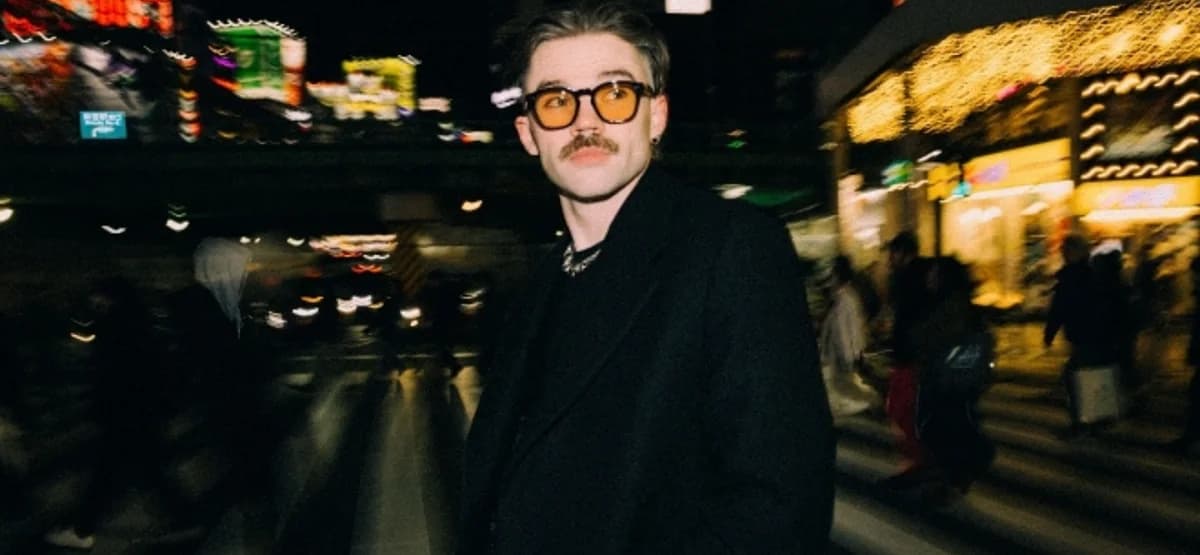
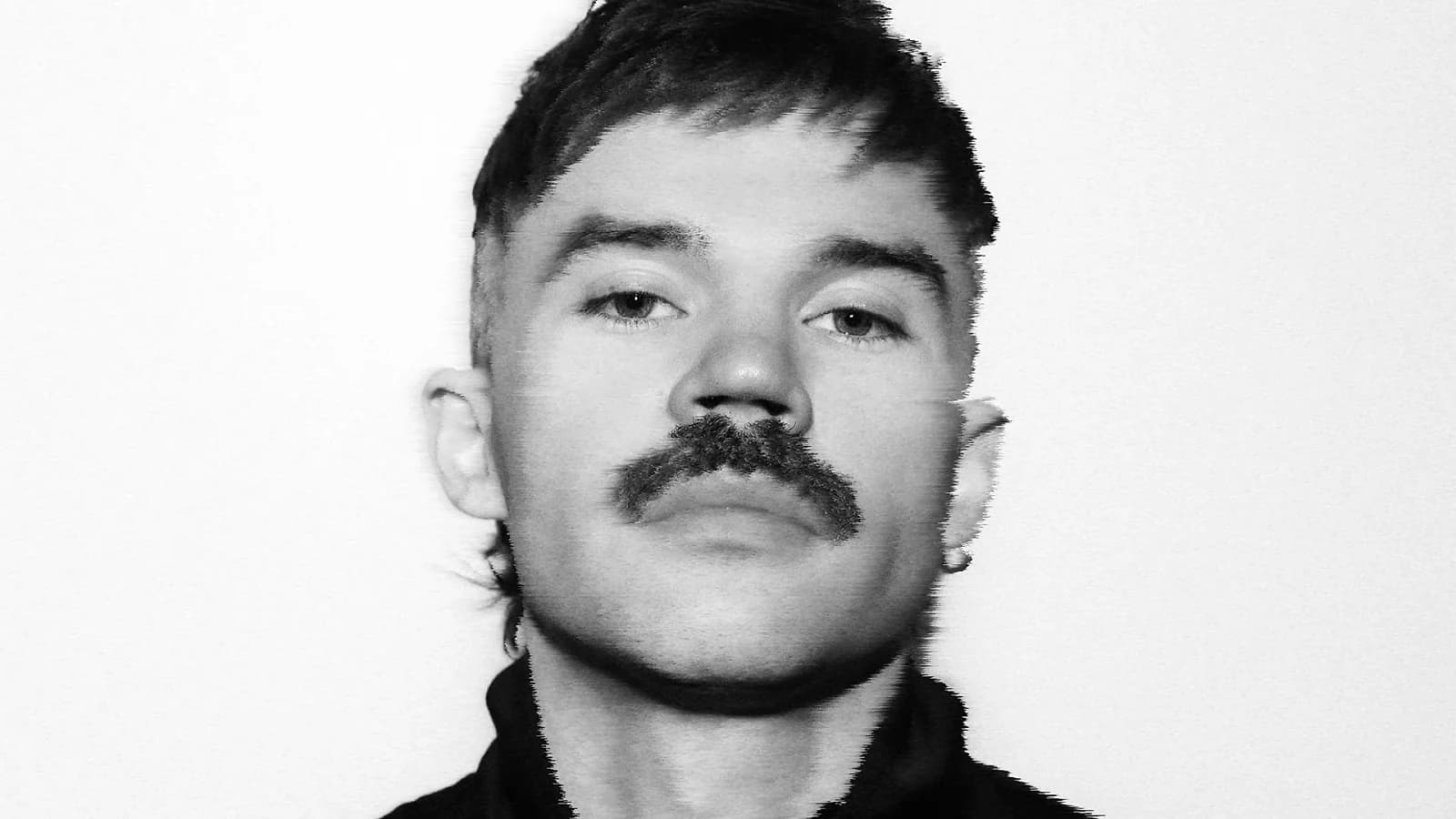
Cover photo: Dom Dolla, via Mixmag Asia / Collective Minds Asia.
Read Next
Stay in the loop
Asian electronic music, weekly