
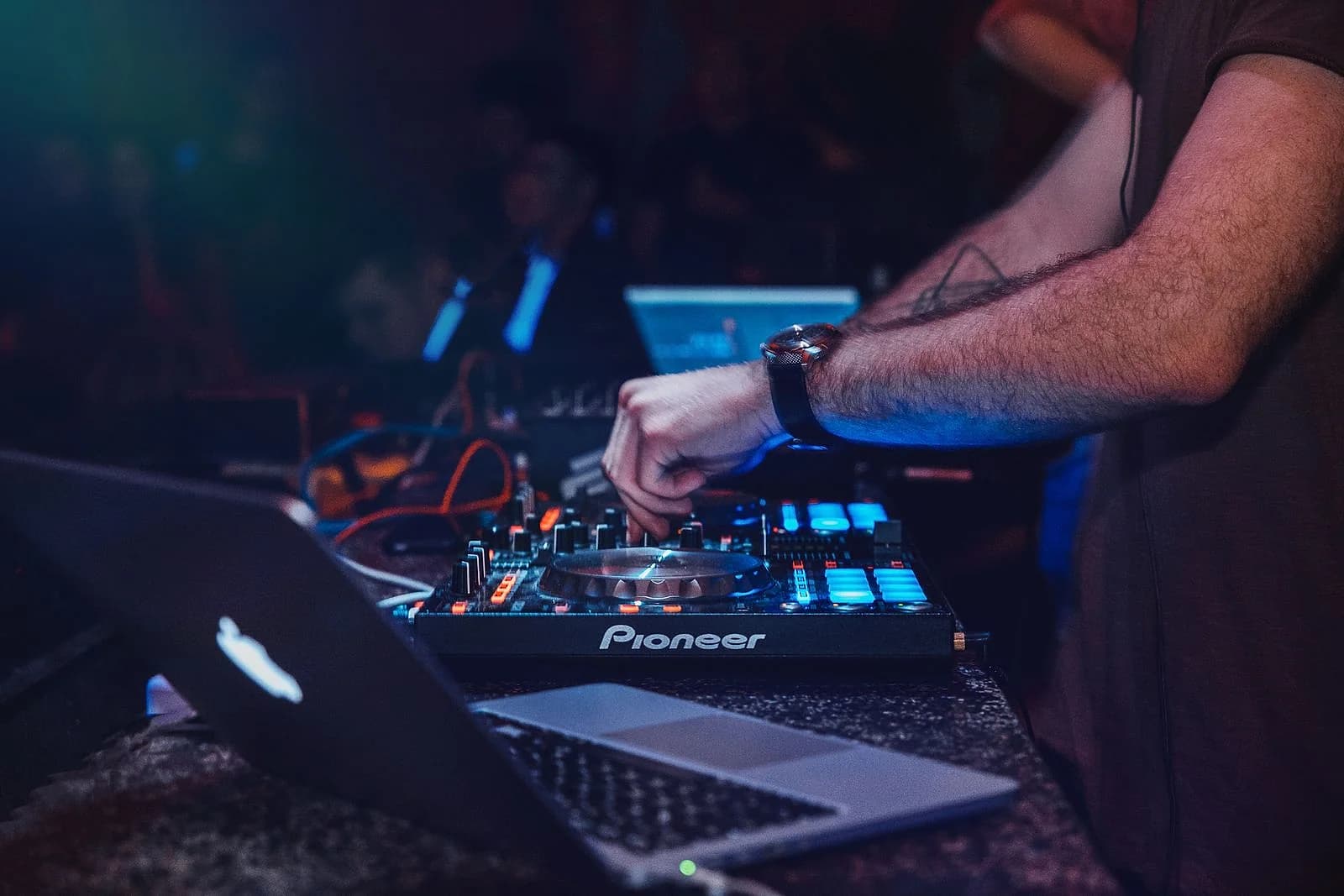
House Music vs. Techno: What Sunju Hargun and Dipha Barus Actually Sound Like
House and techno get used interchangeably by people who should know better. This piece breaks down what separates Chicago's groove from Detroit's machine, and where to hear the split done right in Southeast Asia.
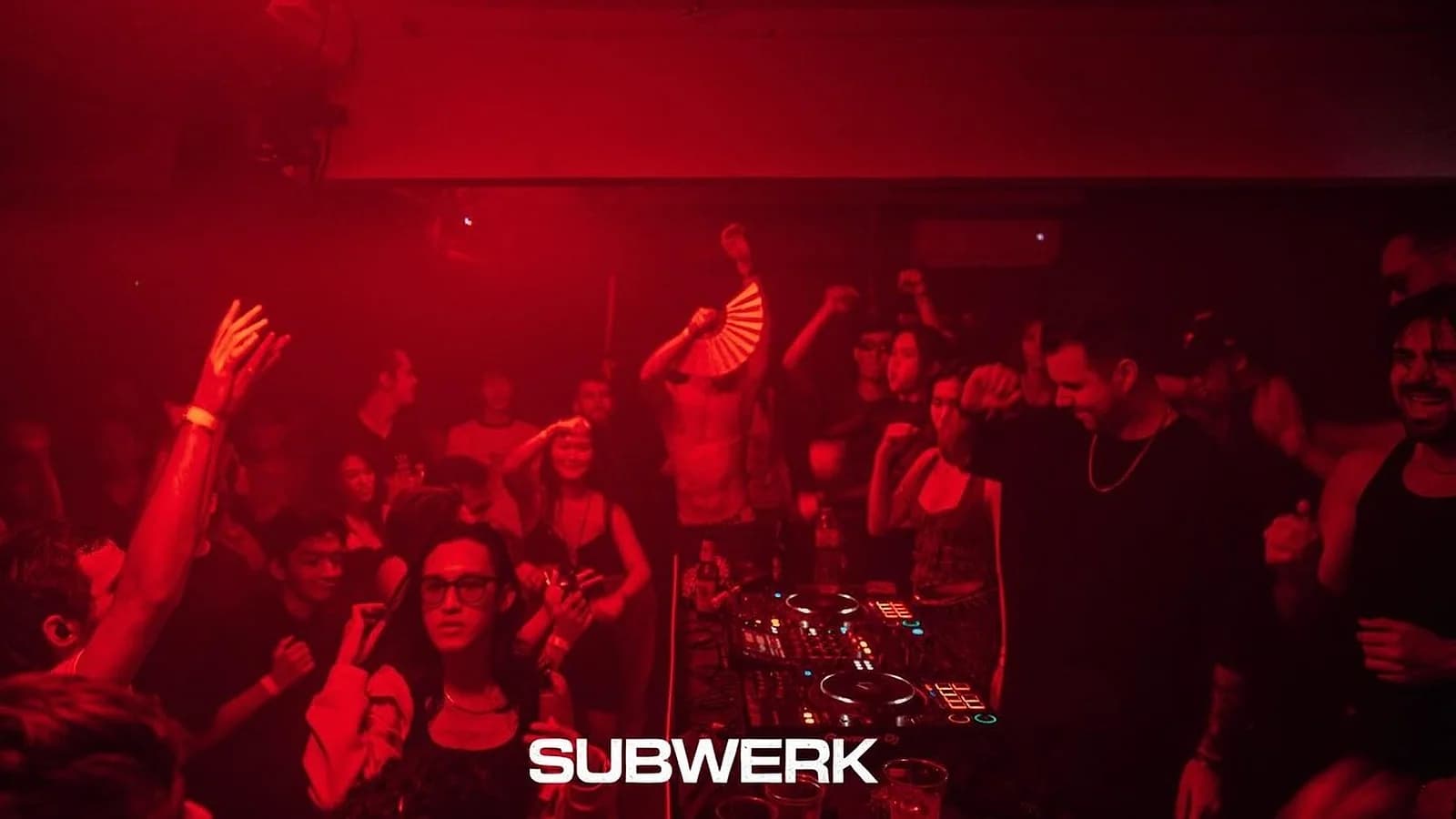
Subwerk's cage-and-factory room on Bangkok's Decho Road runs a Yamaha rig built for one purpose: 135 to 160 beats per minute, no vocals, no chorus, just repetition until the lights come up. Walk two doors down to a house set on the same street on the same night, and the tempo drops by 20 BPM, a singer's hook shows up every eight bars, and the room reads completely differently. Same neighborhood, same crowd of people who'd all call themselves electronic music fans, two genres that get lumped into one word more often than they should. House and techno share a birth decade and a drum machine catalog, and DJs blend the two into each other on the regular. But they didn't come from the same city, they don't run on the same clock, and calling a techno track "house" gets corrected fast on a Southeast Asian dancefloor. This piece breaks down where each genre was built, what it's built from, and how to spot the difference on a night out in the region.
The Ten-Second Test
If you only have ten seconds on a dancefloor to work out what you're hearing, listen for two things: a hook and a hi-hat. House puts a voice, a chord progression or a sampled melody front and center, built to make a room feel something specific. Techno strips that out and leans on rhythm and texture instead, looping a kick and a handful of percussive sounds until the track feels less like a song and more like a machine breathing. According to Splice's breakdown of the two genres, house "thrives on funk, groove, and soul" around 120 to 130 BPM, while techno runs faster, from roughly 125 to 140 BPM, built on "hypnotic and often mechanical percussion" that can lock into a single chord for the length of the track. That tempo overlap in the middle, 125 to 130 BPM, is exactly why the two get confused. What won't overlap is the structure: house tracks build through an intro, a verse, a hook and a breakdown, borrowing songwriting habits from the soul and funk records that got sampled into existence. Techno mostly refuses that shape, favoring a flat, evolving loop over anything you'd call a chorus.
Chicago's Groove, Detroit's Machine
Both genres trace back to the same half of the same decade, in cities with almost nothing else in common. House came first, built in Chicago clubs in the early 1980s by Frankie Knuckles, Ron Hardy, Jesse Saunders and Larry Heard, who fed disco, soul and funk records through drum machines like the Roland TR-808 and TR-909 and looped them into something new. By the time the genre broke into the mainstream around 1988, its DNA was set: soulful, sample-heavy, built to move a room together. Techno arrived a few years later out of Detroit, credited to three friends from Belleville High School, Juan Atkins, Derrick May and Kevin Saunderson, now generally called the Belleville Three. Where Chicago's producers leaned into disco's warmth, Detroit's leaned away from it on purpose, fusing European synth-pop's cold precision with the city's own funk and electro lineage. The result, in Atkins' own words, was "technology that sounds like music," a genre built to let listeners hear the machines doing the work rather than hide them.
What Actually Changes in the Booth
House basslines are melodic, often sampled straight from a soul or disco record, sitting under warm chords and a vocal hook that repeats until it sticks. Techno basslines are more likely to be a single note or a tight pattern, there to drive the rhythm rather than carry a tune, with sound design, a filter sweep or a texture built entirely from synthesis, doing the job a chorus would do in a house track. That difference carries into how a DJ mixes. A house DJ blends on the groove, bringing in a new vocal or melodic line while keeping the low end steady, so transitions feel uplifting and a set can peak more than once. A techno DJ blends on the percussion, running two tracks' drums together for a long, nearly invisible transition that builds one continuous arc instead of a series of peaks. A set that feels like a story with a beginning, middle and end is probably house. A set that feels like a single mood stretched over two hours is probably techno.
The Hybrids You'll See on a Southeast Asian Lineup
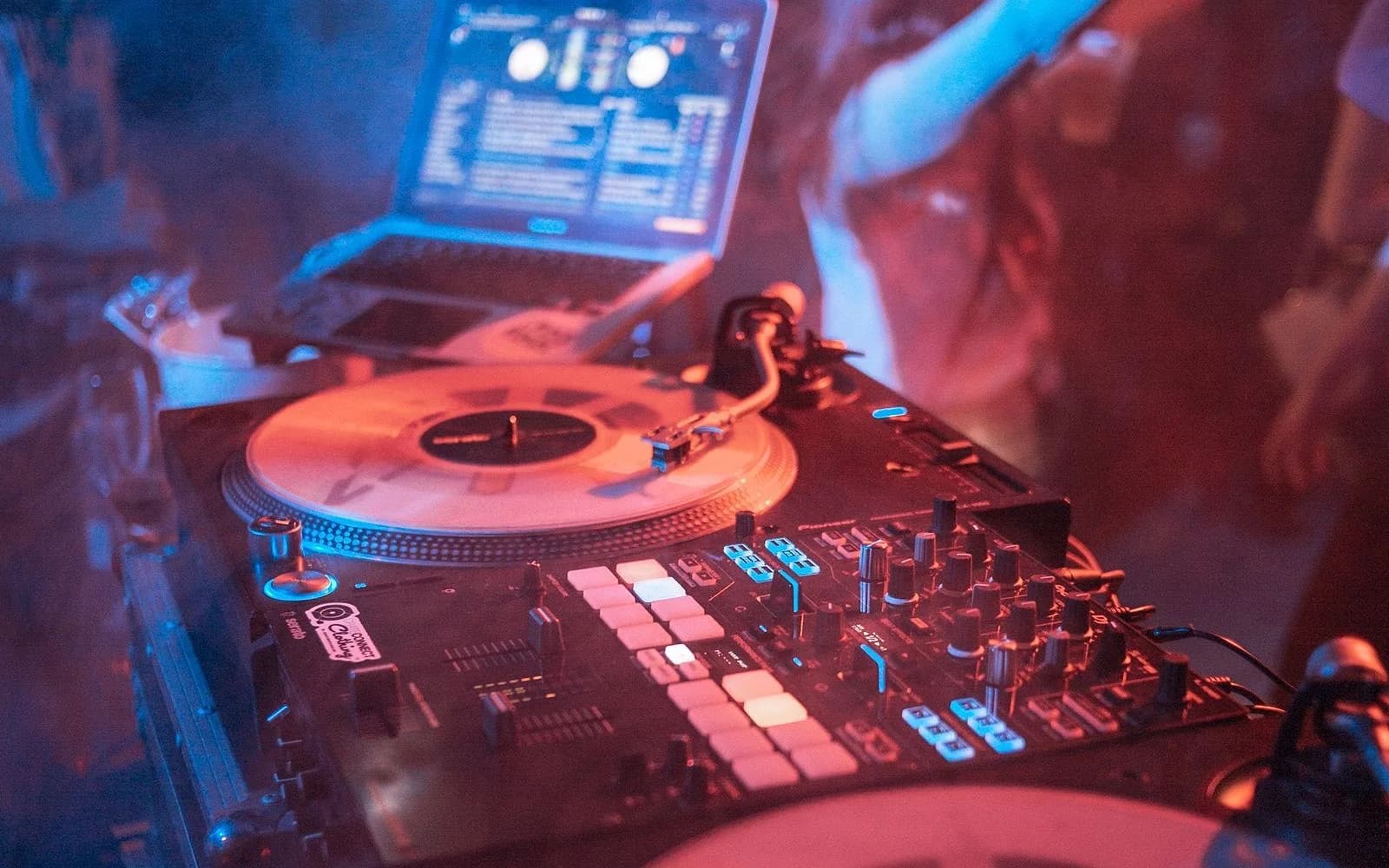
Most club flyers in the region don't just say "house" or "techno," and knowing the subgenres saves a wasted cover charge. Tech house grafts house's funky basslines onto techno's stripped-down arrangement, the genre most likely to fill a mainstream club's Saturday night. Deep house sits closer to 120 BPM with more jazz and soul in the chords, built for a slower, warmer room. Melodic techno and afro house both add harmonic movement, and in afro house's case polyrhythmic percussion, to genres that started out deliberately minimal. Hard techno and minimal house sit at opposite extremes: one stripped up toward 150-plus BPM and aggression, the other stripped down toward almost nothing.
Hearing It Live in Southeast Asia
Bangkok's Decho Road is the cleanest real-world example of the divide. Mustache and Subwerk share a building on two floors: Mustache runs house and more crowd-friendly sets, while Subwerk, on the other floor, opened in late 2024 as the city's only venue built from the ground up for hard techno, a cage-and-factory room running a Yamaha rig at 135 to 160 BPM with no VIP tables cut into the floor, according to Bangkok Nights' 2026 guide to the city's techno clubs.
For a house reference point, Indonesian producer Dipha Barus has spent over a decade putting Jakarta's dance-pop and house sensibilities on the same records, most recently on "SURAK." For techno, here's Bangkok's own Sunju Hargun, one of twelve producers Thailand's Ministry of Culture picked for a state-backed vinyl compilation this year. Play the two back to back and the ten-second test does the rest.
Once the difference is audible on a track, the next step is standing in front of a real system and feeling it. Bangkok's InEarBeat and similar schools around the region are a place to start: theory only gets a new DJ halfway there.
FAQ
What's the easiest way to tell house and techno apart?
Listen for a hook. House puts a vocal, chord or sampled melody at the center of the track, while techno builds from rhythm and texture instead, according to Splice's genre breakdown.
Is techno always faster than house?
Usually, not always. House generally runs 120 to 130 BPM and techno 120 to 150 BPM, so the two overlap at the bottom of techno's range; structure and sound design separate them more reliably than tempo alone.
What is tech house?
A hybrid that takes house's melodic basslines and groove and combines them with techno's stripped-down, minimal arrangement style, according to Splice.
Where did house and techno come from?
House started in Chicago clubs in the early 1980s with producers including Frankie Knuckles, Ron Hardy and Larry Heard. Techno followed out of Detroit a few years later, credited to the Belleville Three: Juan Atkins, Derrick May and Kevin Saunderson.
Where can I actually hear the difference in Southeast Asia?
Bangkok's Decho Road is a good starting point: Mustache runs house and crowd-friendly sets, while Subwerk, on the other floor of the same building, is built entirely around hard techno at 135 to 160 BPM.
Cover photo: David Bartus, Pexels.
Read Next

Stay in the loop
Asian electronic music, weekly