
Mustache Closes at 3:30am. Here's Where Southeast Asia's Afterparties Actually Happen.
Bangkok has a bar built for exactly this gap. Singapore has a law against it. A city-by-city look at what actually happens once Southeast Asia's clubs turn the lights on.
Bangkok has a bar that opens at midnight and doesn't close until the sun is up. Singapore has a law that fines you S$1,000 for drinking a beer on the sidewalk after 10:30pm. Both cities market themselves as nightlife capitals. Only one of them has an actual afterparty scene.
That's the real question behind "where's the afterparty" once you've already spent a night in Southeast Asia's clubs: not which room has the loudest system, but what happens, legally and culturally, once the main event ends. The answer changes completely depending on which city you're standing in.
Bangkok: The Bar That Opens at Midnight
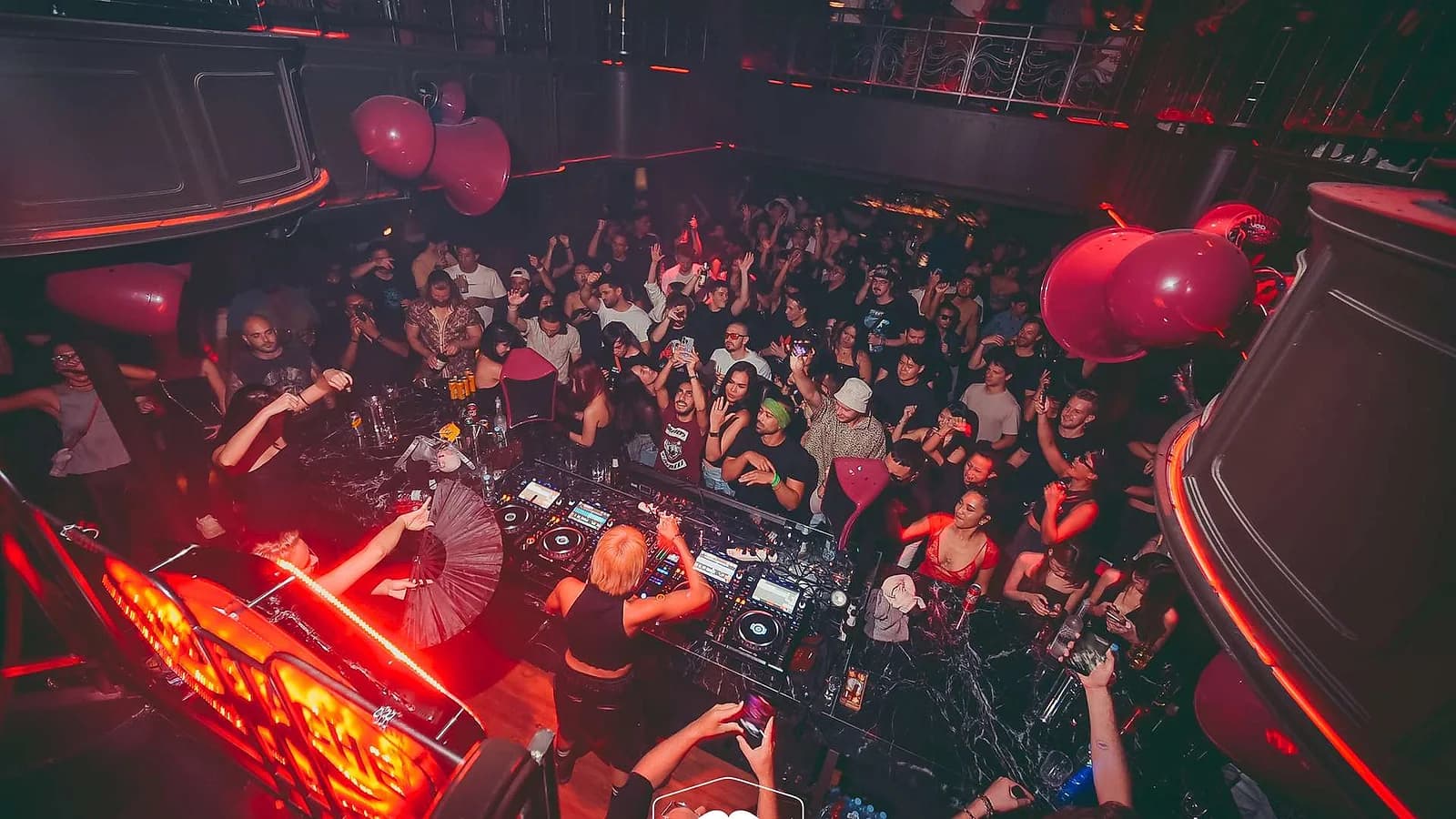
Most Bangkok clubs cut the music at 02:00, the citywide standard. On Decho Road, Mustache and its hard techno room Subwerk hold a later license and run until 03:30. Neither of those is actually the afterparty. That's a five-minute walk, or a short taxi depending on how the night has gone, to Elsewhere, a late-night house bar on Sukhumvit that opens at midnight and runs to dawn. It's small, dark and music-focused, built and run by three brothers who cut their teeth behind the decks in Tokyo, New York and Paris rather than Bangkok, according to Mustache's own guide to the city's underground scene. When the bigger rooms cut the lights, this is where the weekend actually keeps going. For the fuller picture of who gets to stay open that late and why (RCA and parts of Silom hold licenses the rest of the city doesn't), see our guide to Bangkok's closing times.
Manila: The Party That Doesn't Have a Home
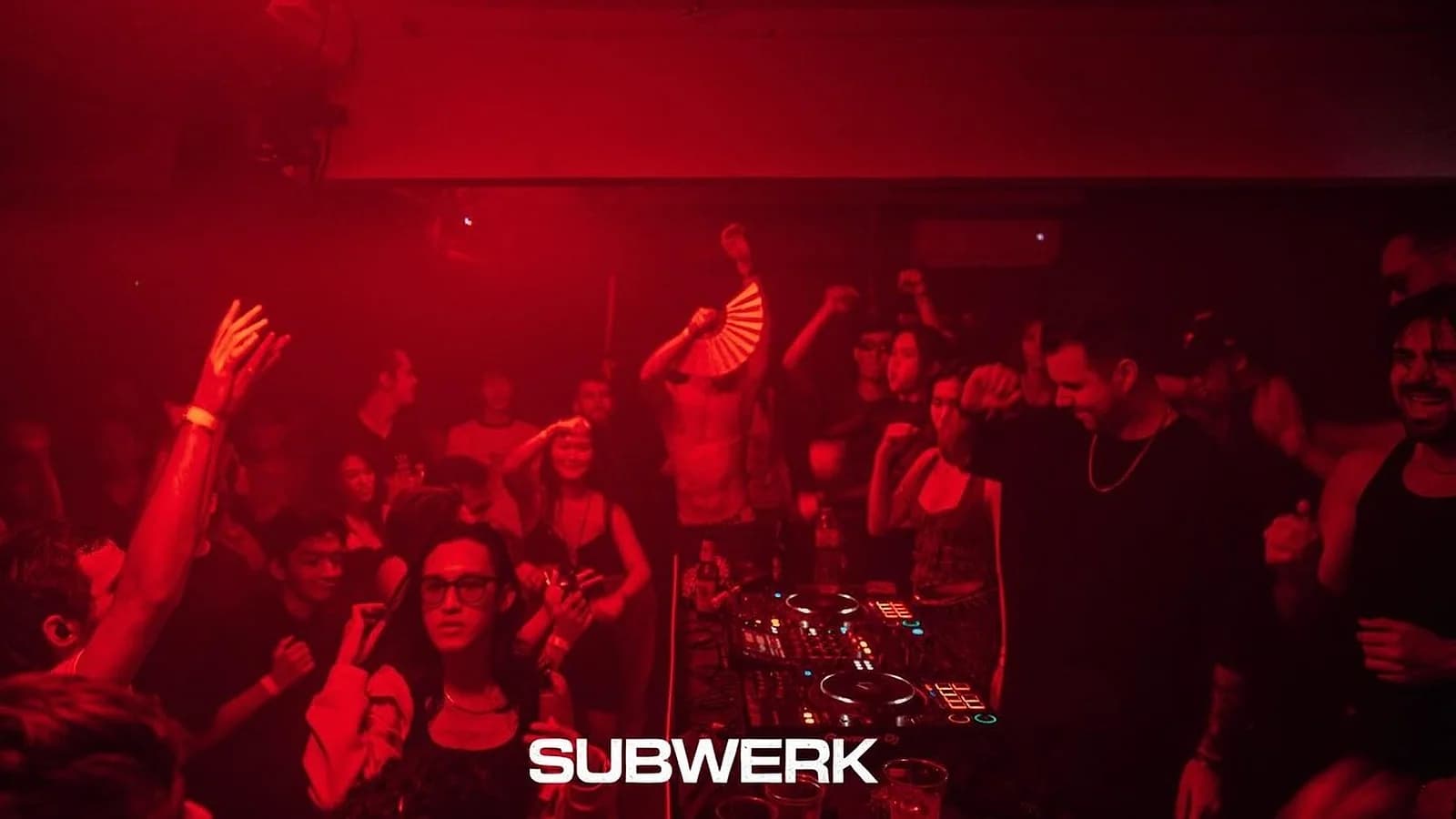
Manila's answer to "where's the afterparty" is structural: often there isn't a fixed venue to go back to, because the city's DIY scene isn't built around one. Swisha Boyz, a crew made up of Niel Sembrano and brothers Miguel and Angelo Quintos, runs its Fly Shit Only nights wherever it can get a room for the evening: The Reserve in Ortigas, Eesome, Boogie, and a collaboration called "Fly Bodies Only" with Apotheka, the small Poblacion room that anchors much of the city's DIY scene (we've mapped that scene in more depth here). The crew describes its own approach bluntly: "We work with what we have and make the most out of it. Also not trying to force to get support from anyone." That's not a slogan, it's the actual operating model. If a room gets shut down or just gets boring, the party doesn't die with it, it finds a new address. The tradeoff is that there's no institution to point a first-timer toward. You find out where the night is going by asking, at the party you're already at, where everyone's headed next.
Kuala Lumpur: When the Club Closes, So Does the Night
KL mostly doesn't have this problem, because it mostly doesn't have this culture. Nightlife here concentrates in four zones, Bukit Bintang and Changkat, TREC, Bangsar and KLCC, and the overwhelming majority of clubs close between 02:00 and 03:00, full stop. There used to be an institution built for exactly this gap. The Backroom, an underground room at Menara Pan Global, was for years the place Kuala Lumpur's clubbers went after everything else had shut, and it's credited with helping introduce house music to Malaysia in the first place. It's gone now, and nothing has replaced it at the same scale. Ask around KL's current house and techno rooms and the answer comes back the same way more often than not: when the club closes, you go home. It isn't a failure so much as a different shape of scene, Kuala Lumpur's house and techno crowd is real but smaller and more private than Bangkok's or Manila's, and a private scene doesn't need a public afterparty circuit to keep itself going.
Singapore: The Law Writes the Ending
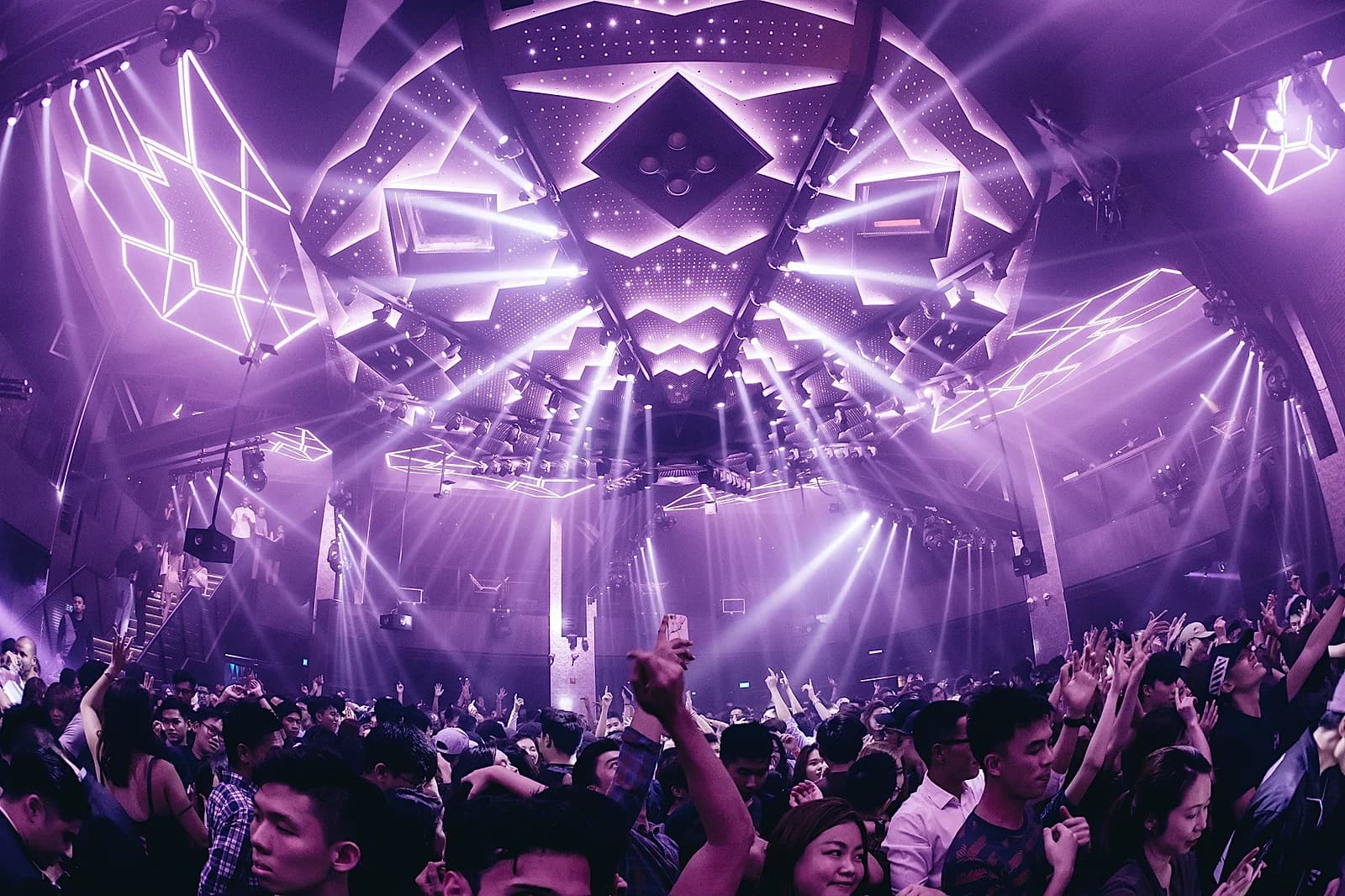
Singapore is the clearest case, because here the ending isn't cultural, it's legal. Since the Liquor Control (Supply and Consumption) Act took effect in April 2015, buying, selling or drinking alcohol in a public place between 10:30pm and 7am is a finable offence, up to S$1,000 for a first conviction and S$2,000 plus possible detention for repeat ones. Clubs can serve later under their own licenses, most run to 3am or 4am on a weekend, but once you're out the door, the street stops being an option. What Singapore has instead of a street-level afterparty scene is a private one: dedicated after-party venues exist, but they run on minimum food and beverage spend rather than a cover charge, commonly S$1,500 and up to S$5,000 or more for an evening, which prices out exactly the spontaneous, word-of-mouth continuation that keeps Bangkok's and Manila's scenes alive. Zouk Singapore, its ceiling rigged with a kinetic light installation, is usually where the city's house and techno crowd is still dancing when the night is legally supposed to be ending, not somewhere they go afterward.
What Isn't Here
Two places are missing on purpose. Bali's after-hours culture runs on the opposite clock, sunrise sets and day parties that start before the clubs even close, which is its own story and one we've already told in full here. Jakarta didn't make the cut because nothing found for its afterparty scene held up to verification this time around. If that changes, we'll come back to it, but a guess dressed up as a fact isn't worth publishing.
FAQ
What time do clubs close in Bangkok?
Most close at 02:00, the citywide standard. A handful of venues on Decho Road, including Mustache and Subwerk, hold licenses until 03:30, and a small number of after-hours bars like Elsewhere run from midnight until dawn.
Is there a real afterparty scene in Singapore?
Not in the informal, street-level sense. The Liquor Control Act bans public drinking between 10:30pm and 7am with fines up to S$2,000, so the after-hours options are commercial venue rentals with high minimum spends rather than a spontaneous scene.
Where do Manila's afterparties happen?
There's no fixed venue. Crews like Swisha Boyz run their Fly Shit Only nights out of rotating spaces including The Reserve in Ortigas, Eesome, Boogie and Apotheka, and word of mouth at one party is usually how you find the next one.
Does Kuala Lumpur have after-hours clubs?
Not reliably. Most clubs across Bukit Bintang, TREC, Bangsar and KLCC close between 02:00 and 03:00, and the city's one historic after-hours institution, The Backroom, closed years ago without a real successor.
Why isn't Bali or Jakarta covered here?
Bali's late-night culture runs on a different schedule built around sunrise sets and day parties, covered separately. Jakarta's afterparty scene couldn't be verified to the standard this guide requires.
Read Next

Stay in the loop
Asian electronic music, weekly