
APT 101 Keeps Bangkok's Disco Ball Spinning While Munir Digs Up Indonesia's Lost Disco Records
Bangkok's APT 101 hosts Disco Diaries, now in its tenth chapter, inside a room styled after a 1970s New York penthouse. Indonesia's revival looks different: Munir has spent over a decade re-editing lost Indonesian disco records rather than running a club night around them.
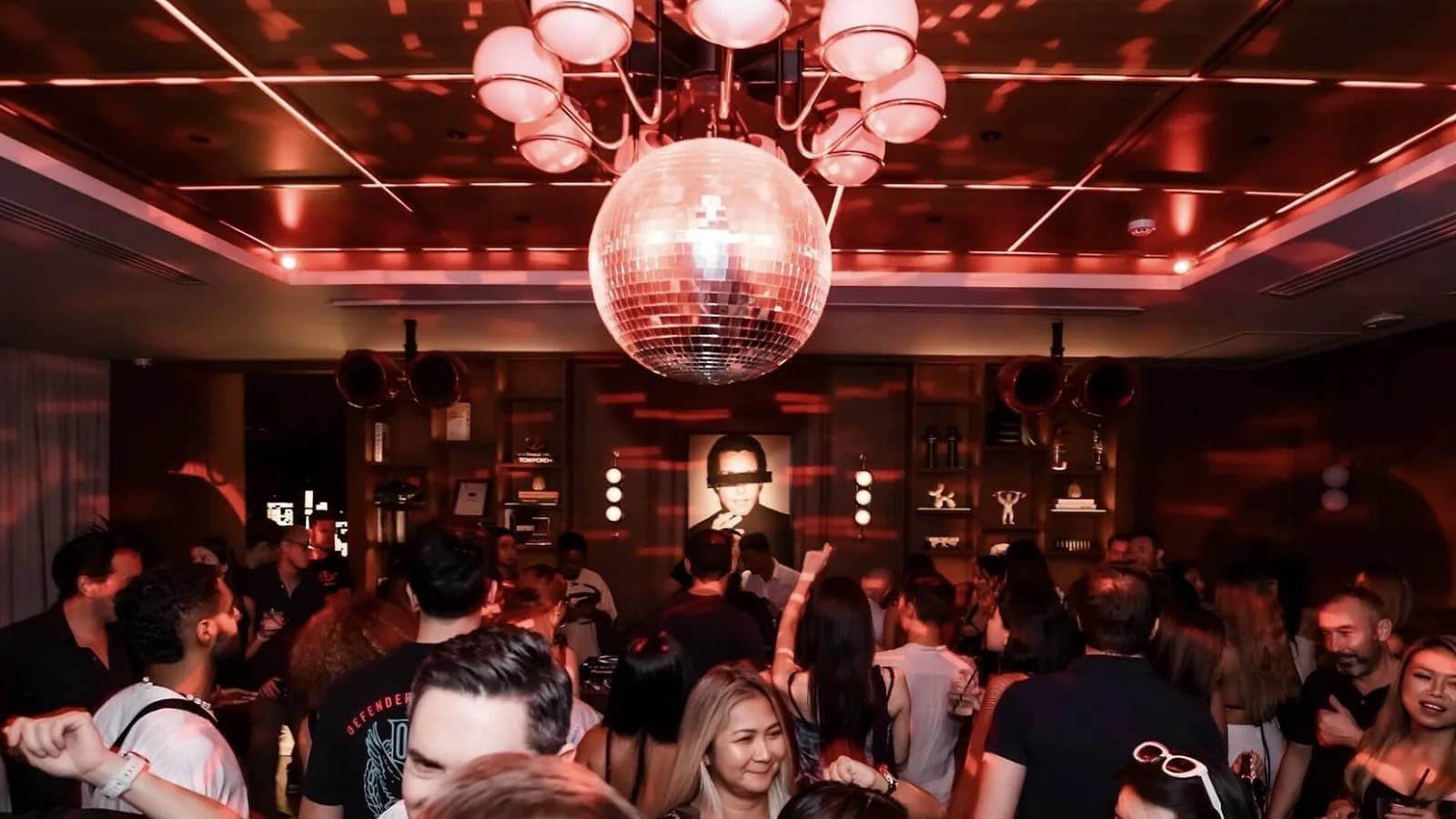
APT 101 doesn't look like most Bangkok clubs: a space built to hold up to 500 people that recreates a 1970s New York penthouse apartment rather than a conventional club. On October 31, BYAS, who plays there regularly, hosts a Halloween night. It's one more date in a run that's included Disco Diaries, the disco and house series now in its tenth chapter, usually held at the same address on lower Sukhumvit.
It raises a fair question for anyone who follows the genre outside the region: does Southeast Asia actually have a nu-disco revival, the kind that's filled rooms in London, Berlin and New York for the better part of two decades? Or is this one venue's theme night dressed up as a scene? The honest answer sits between the two, and it splits cleanly along a club line in Bangkok and a record crate in Indonesia.
What Nu-Disco Actually Means
Nu-disco isn't a genre that started in the 1970s. Per Wikipedia, Black Cock Records, a UK label founded by DJ Harvey, put out disco mixes and re-edits mainly in the 1990s. Nuphonic Records was, in the mid-1990s, the house label for British artists Idjut Boys and Faze Action. DFA Records, the New York label originally started by James Murphy, later released nu-disco acts including The Rapture and The Juan MacLean. France's Roche Musique has done the same with artists like FKJ.
The technical difference from original disco matters more than the vibe does. In the disco tradition, many nu-disco records are driven by guitar or bass licks. Structurally, it skips disco's verse-chorus form for the drawn-out, repetitive sections typical of its electronic cousins. That's worth remembering, because something similar is happening in Indonesia now.
Bangkok's Case: One Venue, a Running Series
APT 101 sits on 233 Sukhumvit Road, in Khlong Toei Nuea, open Wednesday through Saturday, 6pm to 2am. It was built by Soho Hospitality around a 1970s New York glamour theme filtered through mid-century design, with cocktails curated by Filippo Valmori. The venue splits into three named zones: the Arcade, for vinyl listening and a pool table; the Pantry, a quieter room with a replica fireplace; and the Club House, where the dancing happens. There's also an outdoor balcony for a break from the floor. Its own description of a typical night leans tech house, afro house and melodic house as much as disco, with hip-hop and R&B in the mix too. Disco is one genre among several there, not the nightly policy, but it's the one with a name, a history and a recurring date on the calendar.
That night is Disco Diaries, booked by Late Night Bangkok, the agency that's also brought international names like Black Loops, Rich NxT and Mousse T. through Thailand and once took over a stage at Kolour in the Park. Chapter 10 ran at APT 101 on August 29, door price 500 to 600 baht, two DJs trading tracks from 9pm. It's a series with a real run behind it, not a one-off, which is more than most Southeast Asian cities can say about disco specifically.
APT 101 also overlaps with Bangkok's wider deep house circuit through BYAS, the founder of Deep House Thailand, the collective Loopliner profiled for running its own events across Mustache, Spectrum, SIN Rooftop and other rooms around the city. BYAS plays APT 101 regularly, most recently in August 2026, with the Halloween date booked for October 31. That's a genre crossover worth noting: disco at APT 101 isn't an island, it shares DJs and a crowd with Bangkok's broader house scene.
Indonesia's Case: It Lives in the Crates, Not the Booth
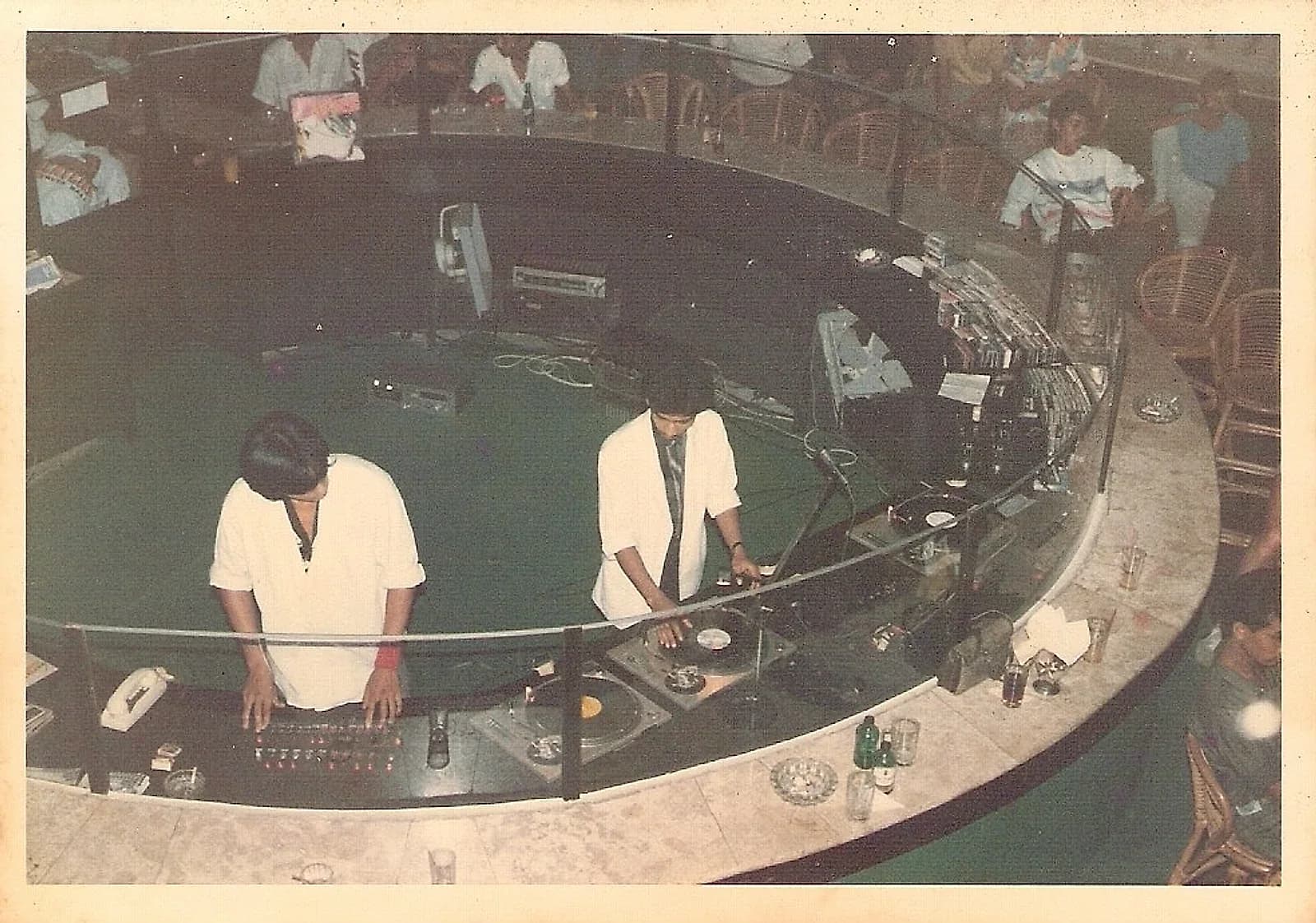
Indonesia's disco revival doesn't look like a club night at all. It looks like Munir, the Bandung-based digger and producer behind Midnight Runners, who Loopliner has already profiled for spending over a decade splicing and re-editing lost Indonesian disco for modern sound systems, the exact disco-edit practice Wikipedia's nu-disco history traces back to the genre's origins. His compilation project, released through Cultures of Soul, resurfaced disco, AOR, boogie and city pop recorded in Jakarta's club scene between 1979 and 1991, a scene that existed and then nearly vanished from memory entirely.
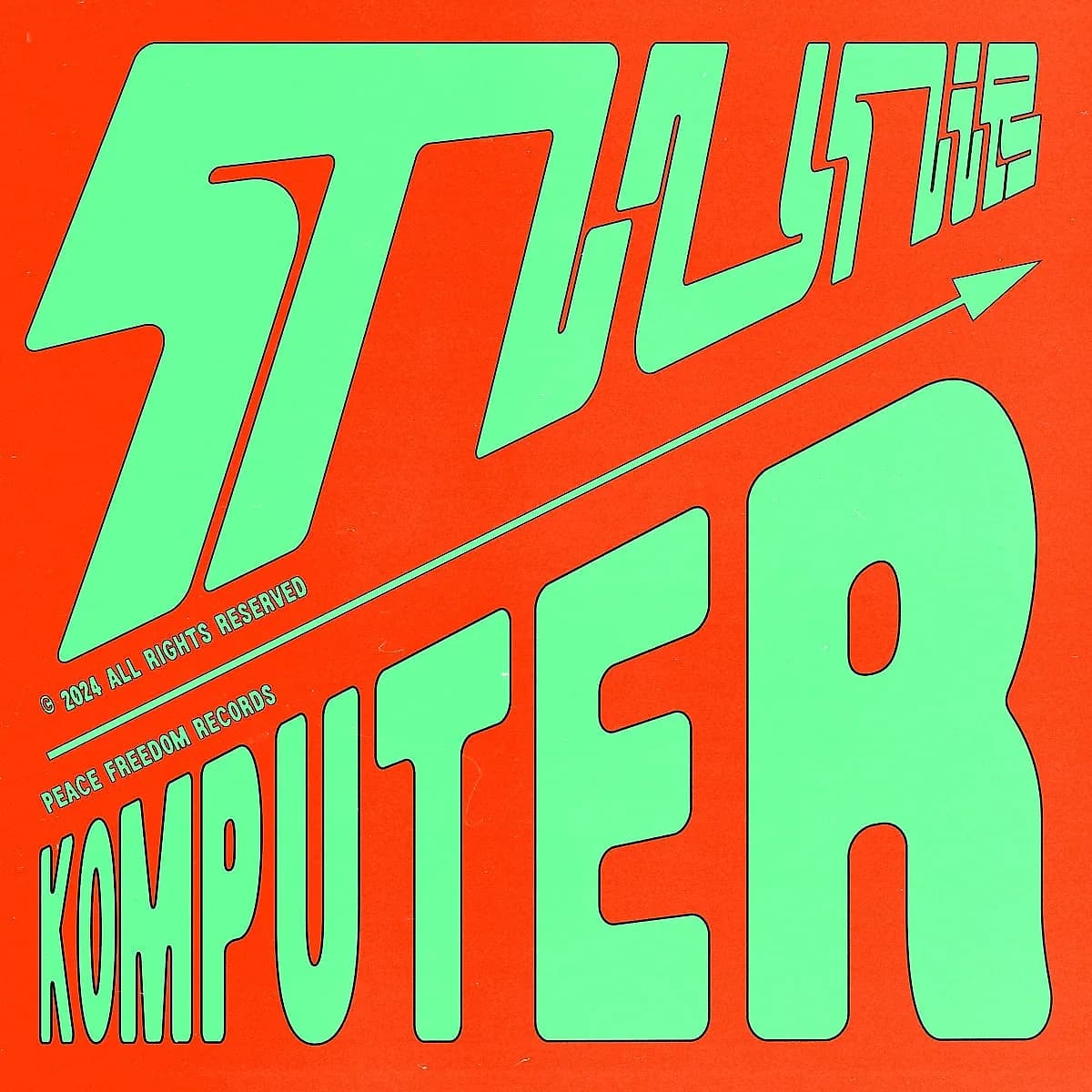
Munir also makes original material, including Komputer, a 2024 EP on his own label, Peace Freedom Records, whose sleeve he designs himself.
That's a meaningfully different kind of revival than Bangkok's. Nobody's running a weekly disco night in Jakarta or Bandung built around this material. What's happening is archival, record-collector work, the kind that keeps a sound alive in vinyl bins and reissue catalogs rather than on a dance floor every Saturday. Both are legitimate forms of a revival. They're just not interchangeable, and a reader expecting a club scene in Indonesia to match Bangkok's won't find one.
What's Not on This List
Singapore had its own attempt. ENVISAGE Discoclub launched on July 10, 2015, at Lime House on Jiak Chuan Road. It was billed as Singapore's first dedicated nu-disco night. It ran across two rooms on Levels 2 and 3, with resident DJs Anthony, DJ Passion and Mr Max: the Envisage room on Level 2 pushed the nu-disco agenda while the Evoke room on Level 3 covered classic disco and funk. There's no evidence of it, or anything like it, still running today; this piece found nothing to suggest the format survived past its early years.
Jakarta also had PLEASURE, a party crew built around members Indra and Adi that positioned itself in explicit opposition to what it called the city's "oversaturated and bland local EDM scene," with disco as its stated biggest influence. The clearest documentation of it dates to a March 2017 Vice feature on a collaboration with the fashion label Junior Executive. Its current activity, if any, isn't verifiable from here.
Vietnam, the Philippines, Malaysia and Cambodia turned up nothing resembling a dedicated disco or nu-disco night during this search. That's a gap, not a verdict that nothing exists; it just hasn't surfaced anywhere checkable.
If You Go
APT 101 is at 233 Sukhumvit Road, Khlong Toei Nuea, Watthana, on the third floor. It's open Wednesday to Saturday, 6pm to 2am. Disco Diaries nights have run at 500 to 600 baht on the door; check APT 101's own event calendar before showing up, since its regular program mixes genres and disco isn't booked every night.
FAQ
What is nu-disco?
Nu-disco is a dance music genre that emerged in the mid-1990s UK, built on disco, Euro disco, Italo disco and French house influences. In the disco tradition, it's often driven by guitar or bass. Structurally, it skips disco's verse-chorus form for the drawn-out, repetitive sections typical of its electronic cousins.
Does Southeast Asia have a real nu-disco scene?
Partly. Bangkok has a running club night, Disco Diaries, which had reached Chapter 10 at APT 101 by August 2025. Indonesia's revival is archival rather than club-based, centered on digger and producer Munir's reissue and re-edit work. Singapore and Jakarta both had dedicated disco nights or crews. Singapore's Envisage was billed as the city's first dedicated nu-disco night. It launched in 2015. Jakarta's Pleasure crew was the subject of a Vice feature headlined 'PLEASURE Is Pioneering Disco In Jakarta.'
Where can I hear disco in Bangkok right now?
APT 101 on lower Sukhumvit is the clearest answer, both for its 1970s-themed room and for hosting Disco Diaries. Check the venue's own listings before going, since its regular DJ booking leans tech house, afro house and melodic house as much as disco.
Who is Munir?
Munir is a Bandung-based DJ, producer and record digger who performs as Midnight Runners. He has spent over a decade re-editing lost Indonesian disco records for modern sound systems and released a compilation of 1979-1991 Jakarta-era disco, AOR and boogie through the label Cultures of Soul.
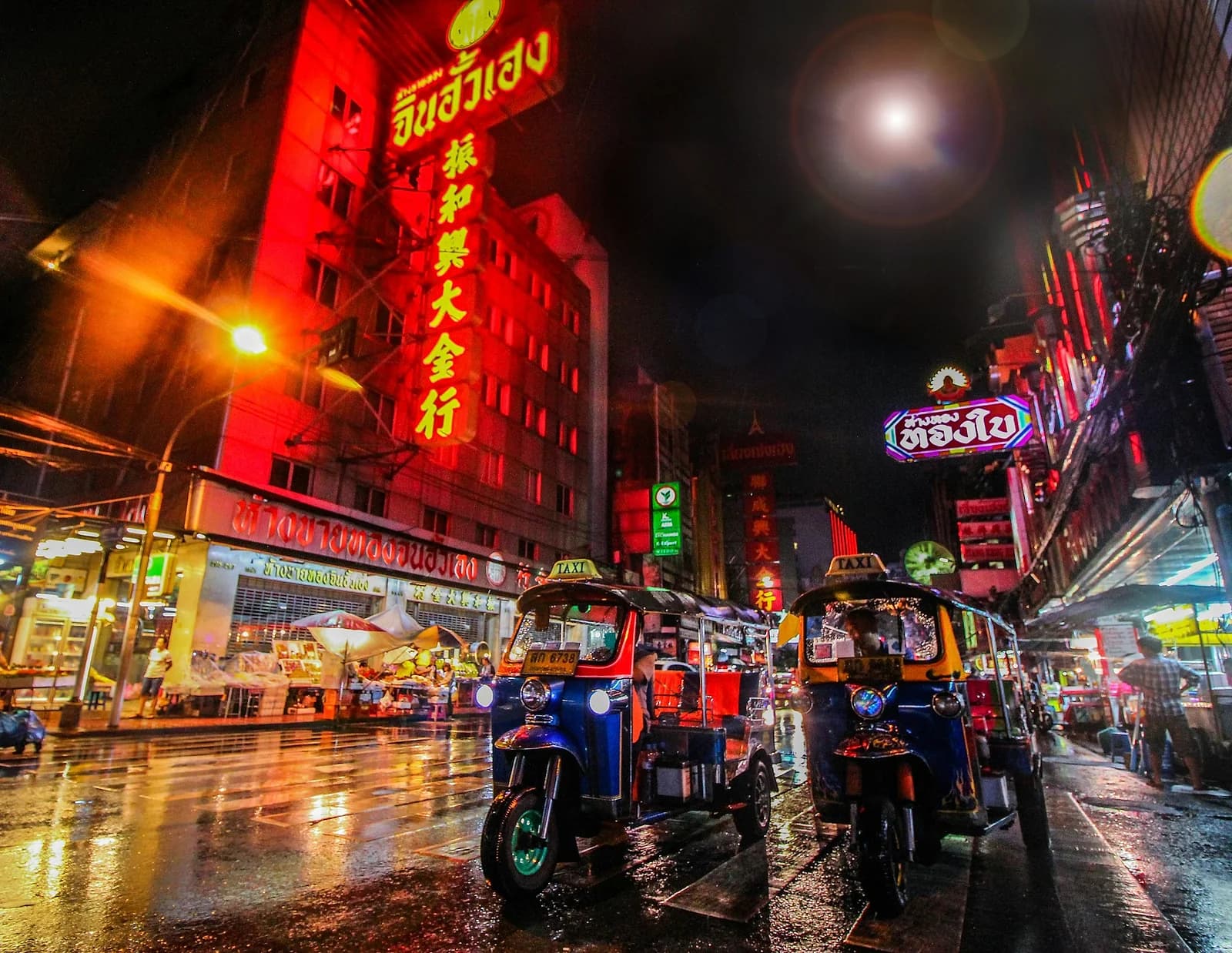
Cover photo: APT 101, Bangkok, via Time Out Bangkok.
Read Next

Stay in the loop
Asian electronic music, weekly