
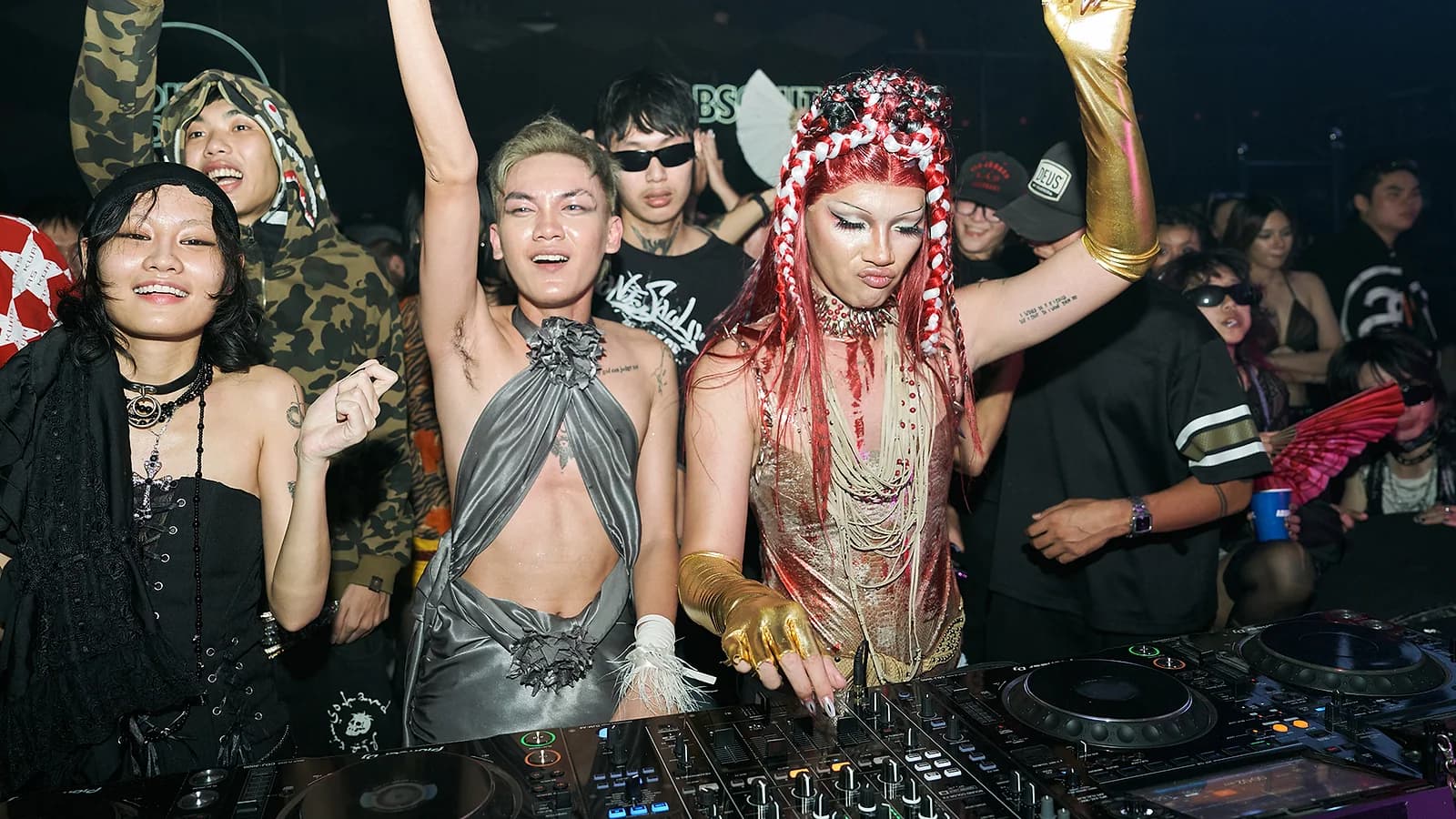
Bung L0n Turned Saigon's Most Mocked Music Into a Queer Safe Space
A Ho Chi Minh City collective started out playing techno like everyone else. Then it decided the wedding-tent, TikTok-background music its parents' generation looks down on was exactly what its queer dancefloor needed.
There's a genre of music blasting out of half the bars on Bùi Viện Walking Street right now, the kind that soundtracks weddings and roadside karaoke and gets called childish by anyone who considers themselves a serious raver. It's called Vinahouse, and until a few years ago, a Ho Chi Minh City party crew called Bung L0n barely touched it. Now it's the sound they build entire nights around, and they did it on purpose.
Bung L0n formed in Saigon in the aftermath of Vietnam's COVID lockdowns, started by a small group of friends with, by their own account, little background in DJing or throwing parties. The gap they saw was simple: not enough rooms in the city built specifically for its LGBTQ+ crowd. Trí Nguyễn, who DJs as Smoothie Boiz and co-founded the collective, and Phát Paris, the other founder behind its earliest parties, built something that deliberately avoids branding itself as a single "community." The house line, repeated by members to Saigoneer, sums up the approach better than any mission statement could: ở đâu vui nhất, ở đó có bê đê, roughly "wherever it's the most fun, that's where the queers are." No declarations. Just show up and dance.
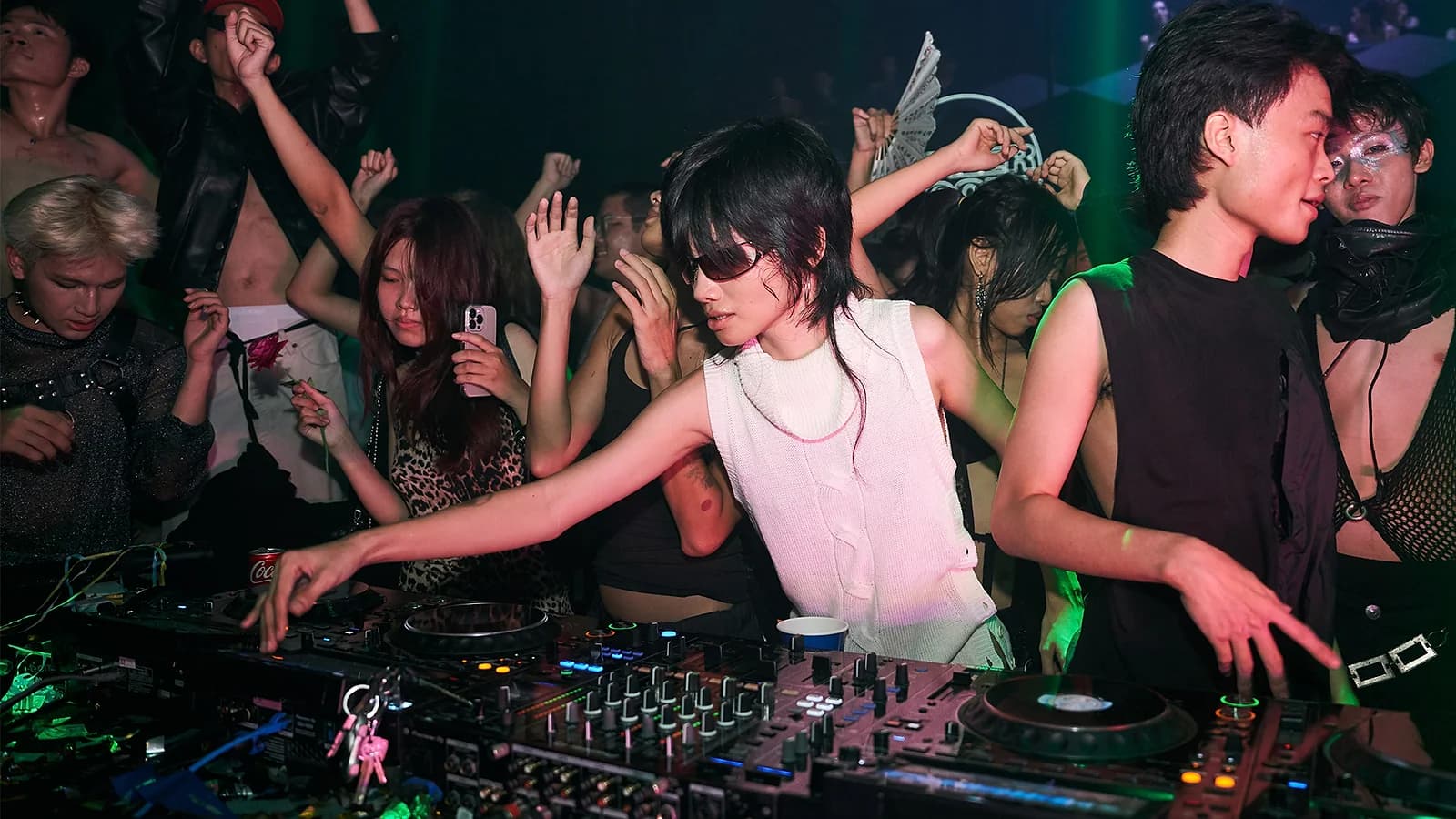
The Genre Nobody Serious Was Supposed to Play
Early Bung L0n sets leaned on techno and international club sounds, the same globally legible palette every underground party in Southeast Asia reaches for first. Vinahouse only came later, and the shift was deliberate. "We are Vietnamese, why don't we play this type of music more," Trí told Saigoneer, describing how each party started building around a Vietnam-specific theme. "Having no Vinahouse in our parties is not okay. We felt we were missing something."
That's a bigger call than it sounds. Vinahouse carries real class baggage in Vietnam: dismissed by the country's self-styled taste elite as trẻ trâu (childish) or bay phòng (drug-party music), the kind of thing a discerning listener isn't supposed to admit to enjoying. Bung L0n flipped that stigma into a strength. Trí noticed the room's energy change the moment a Vinahouse track dropped: "People seemed to enjoy it more, felt a greater sense of familiarity. People became more in rhythm." A genre built for weddings and pirated CDs became the thing that made a queer Saigon dancefloor feel, specifically, like home rather than an import.
Not the Only Ones
Bung L0n didn't build this alone. Saigon's queer party map now includes Vấp Cục Đá, a ballroom night that one regular called "the first ballroom in Vietnam," and Gái Nhảy, a crew geared toward the city's lesbian scene. Both got their start at Arcan, the alley club that was the underground's default address until it closed in March 2025, a month short of its seventh anniversary; the scene has been scattered across temporary venues since. In October 2024, Boiler Room brought its touring BR X series to Ho Chi Minh City for a joint Gái Nhảy x Bung L0n night, billing the pairing as "two of the most explosive queer collectives accelerating club culture in Sài Gòn today." That's not local flattery. Boiler Room doesn't tour cities it isn't trying to put on a map.
The Region Is Listening
That recognition is starting to travel past Vietnam's borders. Earlier this month, Mixmag Asia followed Bangkok's NON NON NON, the queer techno crew profiled on this site for building its own scene from nothing since 2018, as it took over Hanoi's Unmute club with Phát Paris on the lineup alongside Hanoi's own Phong. "Sweaty, intimate and dancing all night," is how Phát Paris described the room to Mixmag. "The energy from the crowd was beautiful, everyone was into it and giving themselves to the music." One night, three cities, and a shared understanding that queerness in Vietnam and Thailand doesn't need to borrow its shape from the West to mean something.
None of this makes the ground any less thin. Vietnam decriminalized homosexuality decades ago, but public visibility for queer life still comes in bursts rather than as a given, and a scene this size runs on a handful of committed people rather than institutional backing. What Bung L0n has actually pulled off is narrower and, in its way, more useful than a movement: it took a genre nobody was supposed to respect and made it the reason a room full of people who don't always get to feel at home somewhere finally did. If you want to understand why that genre carries so much weight in the first place, Loopliner's explainer on Vinahouse is the place to start.
Cover photo: Phát Paris and Smoothie Boiz at Boiler Room: Sài Gòn, October 2024, via Boiler Room.
Read Next

Stay in the loop
Asian electronic music, weekly