
Busan's Ovantgarde Got Shut Down for Letting Its Crowd Dance. Bangkok Runs on the Exact Same Law.
Officials in Busan shut down the live venue Ovantgarde for two months after watching its audience dance under a restaurant license that forbids it. The same legal trap is written into Thailand's Entertainment Places Act, and Bangkok's small clubs live inside it every night.
On August 23rd, a hand-drawn sign flashed across a projector screen at Ovantgarde, a live music venue in Busan: "To the Future, To the World, No Dance." It was the crowd's gallows-humor goodbye. The next day, the venue went dark for two months, punished by South Korean authorities for the crime of letting people dance to a band.
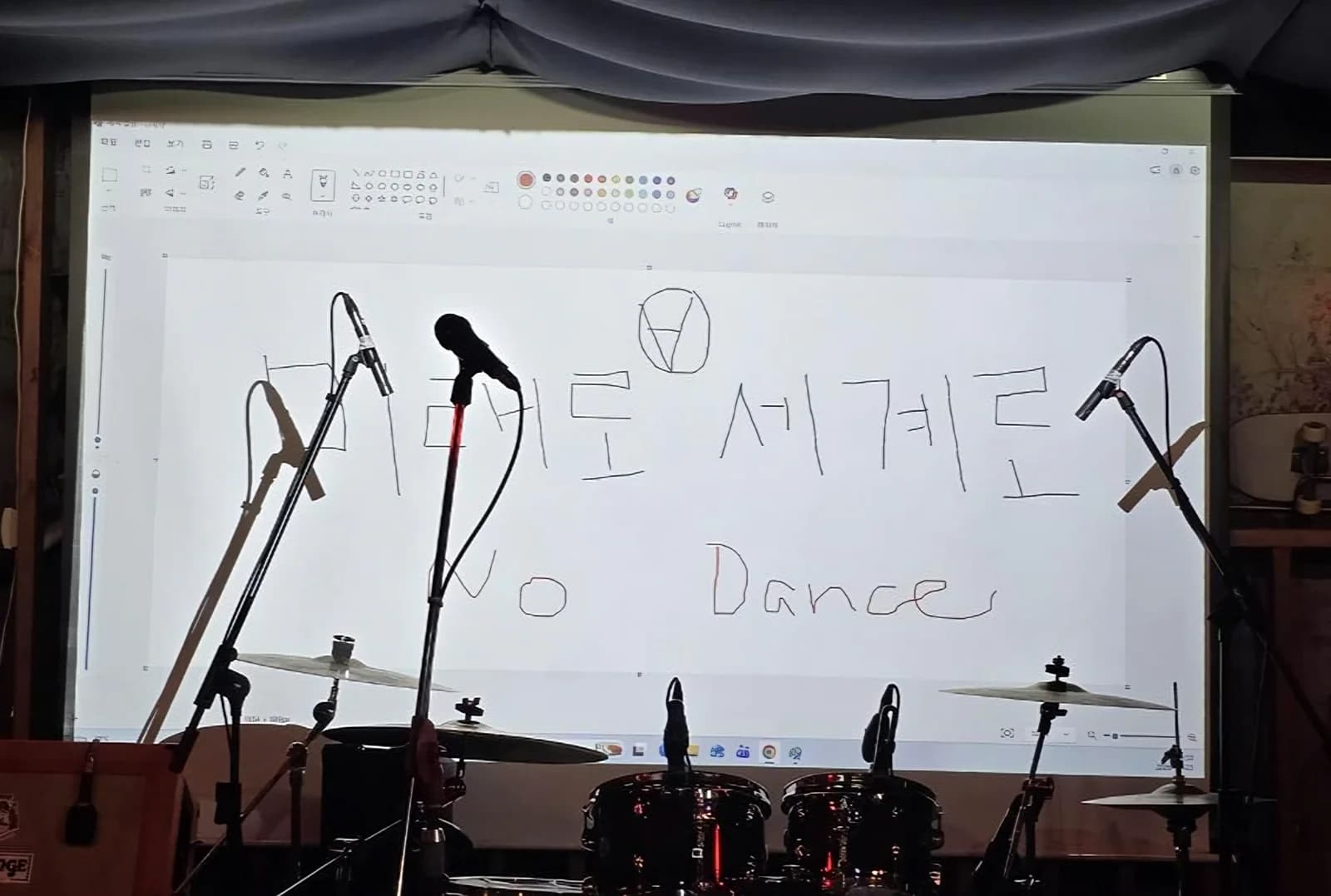
The Sign Said No Dance
Here's what actually happened, according to the Korea Times. Busan's Nam District sent inspectors to Ovantgarde earlier in August to check out an unrelated noise complaint. The complaint went nowhere. But the inspectors watched a band play to a standing, moving crowd, decided that counted as dancing, and cited the venue for violating its business license. Ovantgarde, like almost every small live venue in Korea, is registered as a general restaurant, a category built for cooking and selling food, not for people getting up and moving to music.
One of the owners disputed the whole premise, telling the paper the crowd was just "standing and naturally engaging with the performance," not dancing. The distinction didn't matter. The venue got a two-month suspension, the standard first-offense penalty. A second violation gets three months. A third gets the license pulled entirely.
A 1999 Law Built for a Different Room
South Korea's live music venues weren't even legal until 1999, when regulators amended the Food Sanitation Act to let them register as restaurants. Nobody went back and gave them their own category afterward, so the dancing ban written for actual restaurants came along for the ride. Want to legally let your customers dance? Register as an "entertainment bar business" instead, a designation with far heavier zoning, tax and licensing requirements that most small venues can't survive.
Ovantgarde isn't an isolated case. Basement, a live venue near Pusan National University, took the same two-month hit last year. Deep Sleep Coffee, a Busan cafe, got shut from January 22 to March 22 this year over a "morning rave." A Mexican restaurant in Seoul's Sinsa-dong pulled a 40-day suspension in April 2025 for dancing at its own opening party. Park Ji-hong, who runs the Seoul venue Strange Fruit, put the real motive plainly to the Korea Times: "People didn't want that kind of bar near their home and especially near schools. It's more of a moral thing, not for safety."
A petition filed with Korea's National Assembly on August 19th asks lawmakers to rewrite the Food Sanitation Act and Public Performance Act so they actually distinguish a crowd enjoying a gig from a nightclub floor. Nobody's promising it'll pass.
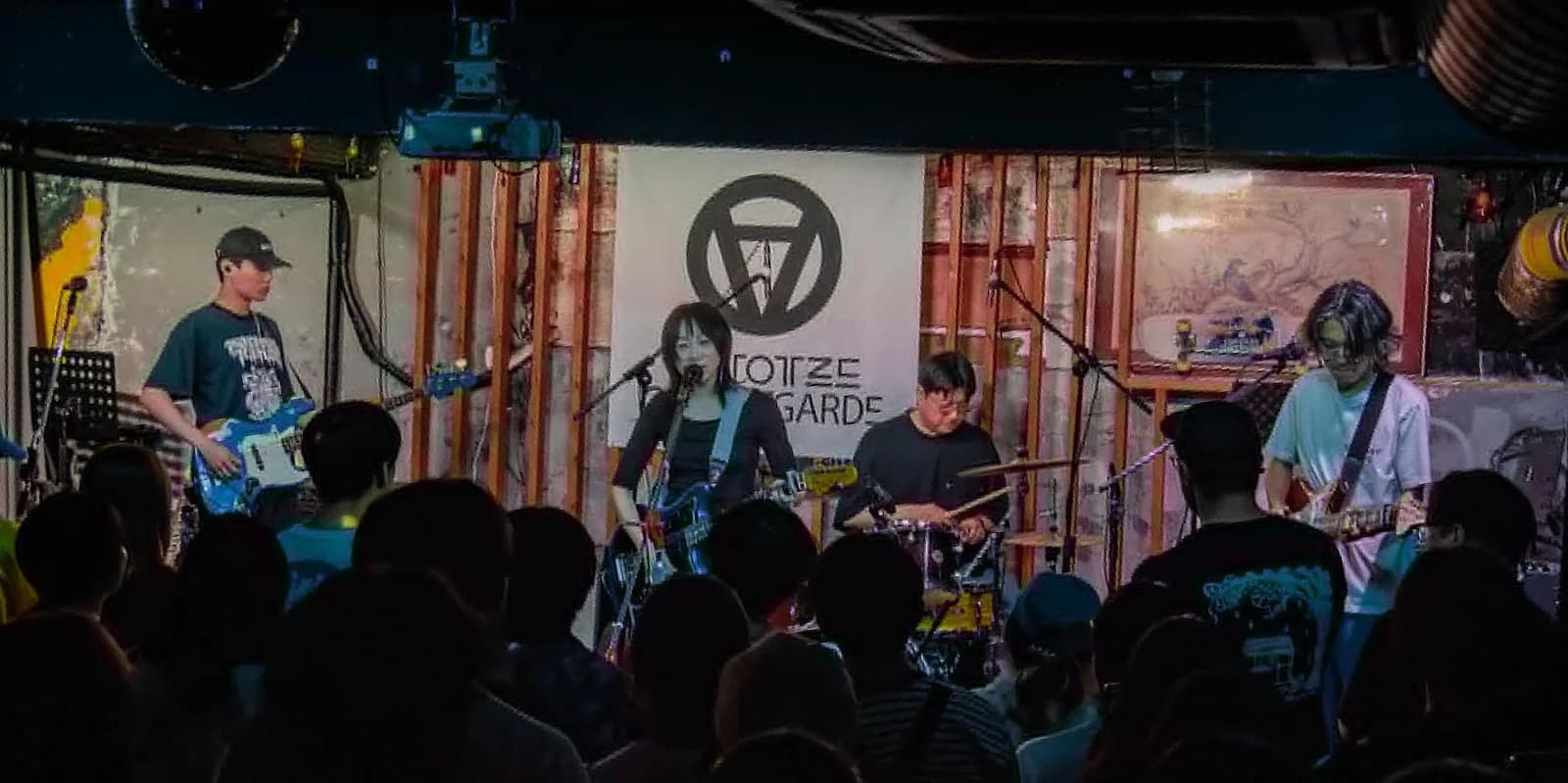
Thailand Runs on the Same Idea
This isn't some uniquely Korean quirk worth a shrug and a shake of the head from Southeast Asia. Thailand's Entertainment Places Act, on the books since 1966, defines an "entertainment place" specifically as anywhere people dance for commercial benefit, whether traditional dancing or otherwise, distinct and separate from an ordinary restaurant license. Get that classification wrong, or skip it to dodge the paperwork, and you're operating exactly the kind of legal grey zone Ovantgarde got caught in. Reporting from Khaosod English has already documented restaurants around Bangkok functioning like pubs under looser licensing than the law technically requires.
Bangkok's own house and techno rooms, like Mustache and its sister club Subwerk, operate inside that same Entertainment Places Act framework every single night, dancing included by design rather than by accident. It's a stricter license than Korea's restaurant loophole, which is precisely the point: the region's clubs have already priced in the paperwork Ovantgarde is being punished for skipping. The bigger lesson, one this site has traced through Indonesia's own permit system, is that almost nowhere in Asia has dance culture caught up with the licensing categories built decades before it existed.
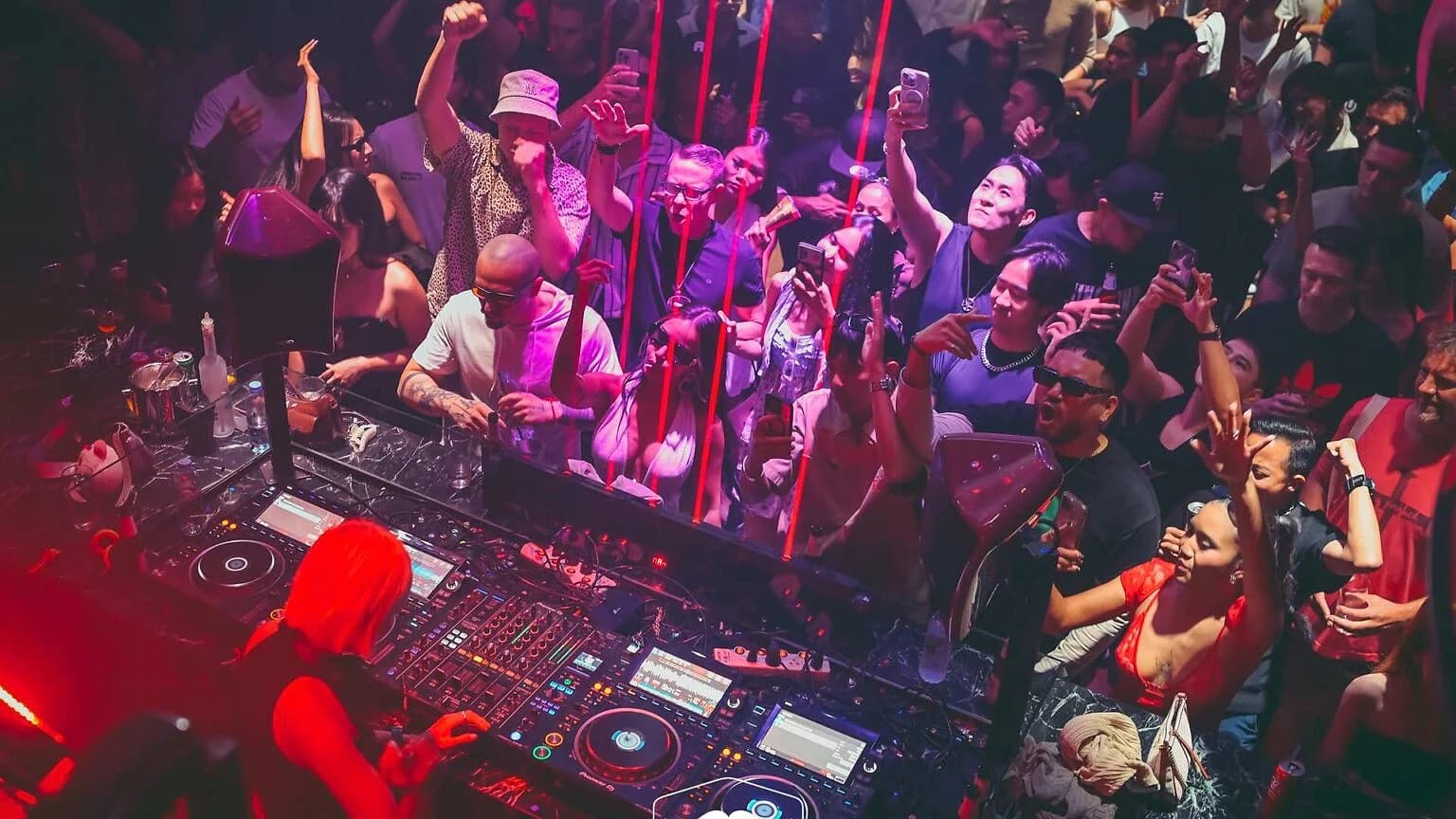
The Suspension Runs Through October
Ovantgarde is due to reopen around October 23rd if it survives the two months without income. Musicians including Maalib, DJ Bojvck, Kirara and Dguru compiled a benefit compilation of unreleased tracks to help cover the gap. "The two months that Ovantgarde has to endure could determine whether a space survives or closes permanently," the Busan electronic artist Byul.org told the Korea Times.
Nikki Bell, an American resident of Busan who's been fundraising for the venue, called the whole situation what it is: "It's a concert, it's music, people dance. How can that be illegal?" It's a fair question anywhere a scene is still waiting for the law to catch up with it, from Busan to Yangon's own curfew fights.
Cover photo: Pulp Man, via The Korea Times.
Read Next

ALESSA Dies at 33. Kryder Remembers the Friend Behind Japan's First DJ-and-Orchestra Show.

Stargazing Records Turned a Vietnamese Pilgrimage Poem Into a House Hit. Damian Lazarus Played It in Ibiza.
Ho Chi Minh City's Observatory Closes in October. Hanoi Gets One Last Night With It on September 25.
Stay in the loop
Asian electronic music, weekly