
Groove Culture Is Teaching Yangon to Love House Music, Curfew and All
Five friends built Myanmar's leading house music collective out of a coup, a curfew and an empty dance floor. Groove Culture's parties, including a 1,000-person rave on an abandoned office floor, are proof Yangon's scene never needed the tourists to come back.
Five Friends, One Empty Dance Floor
Before Myanmar's 2021 coup, Yangon's electronic music scene had exactly one address: Level 2, the city's sole club dedicated to dance music, where the crowd skewed foreign and the sound skewed EDM. "There used to be a small EDM scene, but it was heavily saturated by foreigners," Sarvu, a founding member of Groove Culture, told Vice in 2023. "Locals didn't necessarily care about the music, they mostly followed the big parties and festivals."
Then the pandemic hit, then the coup, and the expats who had defined Yangon's nightlife left en masse. Five friends who had spent their weekends at Level 2 saw an opening rather than a dead end. They started Groove Culture, a collective built to do what the old scene never bothered with: teach local crowds to actually love house music, not just show up for the free-pour bar.
A House Answer to a Techno Question
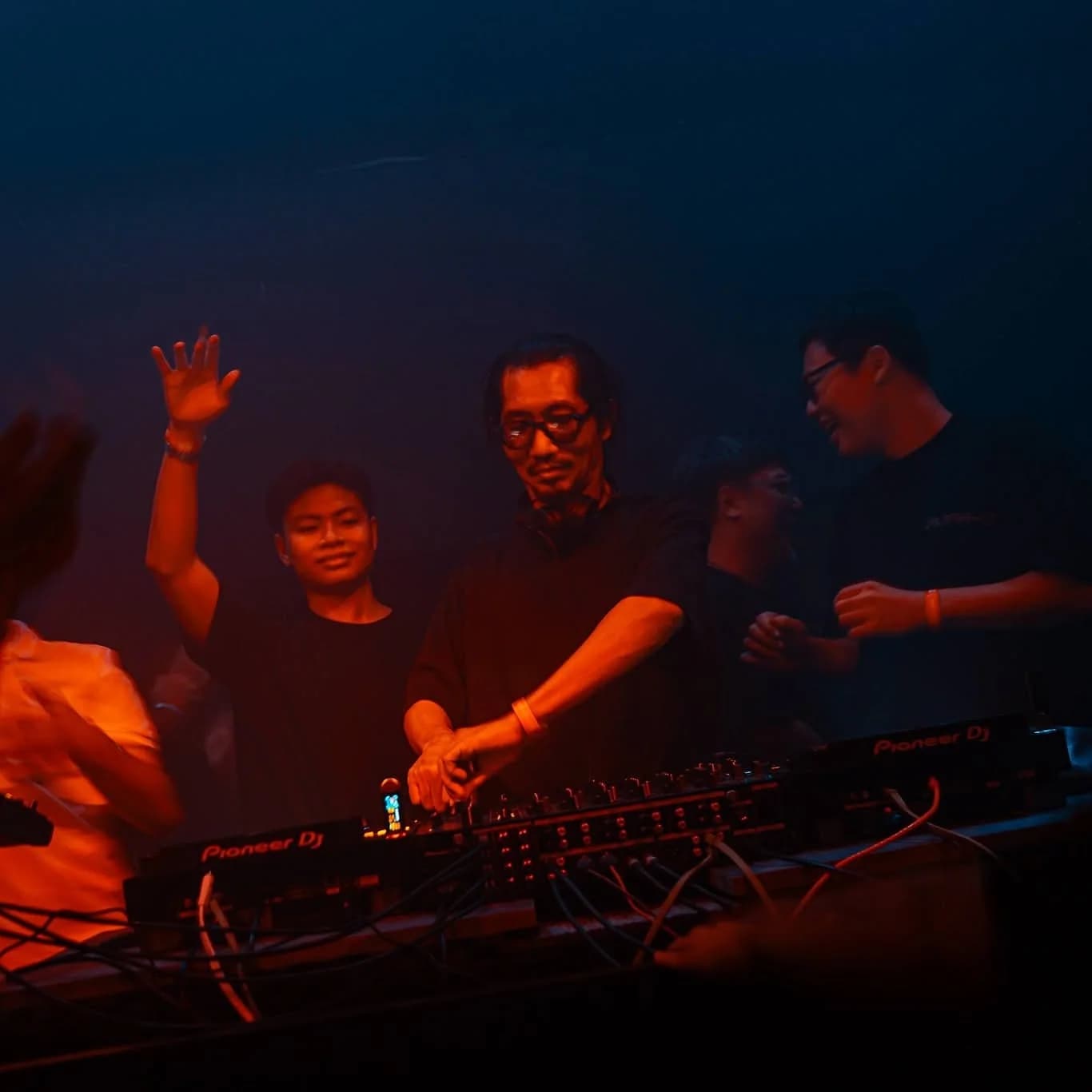
Groove Culture arrived alongside a wider rebuilding of Yangon's underground, most visibly at Red Room, the club Loopliner reported on as a lifeline for the city's techno heads, and through producers like LnHD, who learned to DJ in that same post-coup underground before her sets started landing in Phnom Penh and Berlin. Where those rooms lean industrial and experimental, Groove Culture staked out house, betting that four-on-the-floor grooves could win over a crowd raised on EDM drops.
It worked, slowly. "We've attracted a more diverse crowd than in our Level 2 days, with more young professionals attending, not just students anymore," Sarvu said. The mission was never just about a genre. It was about proving Yangon's dance scene could survive, and even grow, without the foreign money that used to prop it up.
Parties Built Around a Curfew
None of it happens on an easy clock. Under martial law, Yangon has lived with a nightlife curfew for years, and it keeps moving. When Vice reported on the scene in August 2023, the curfew ran from midnight to 4 a.m., swallowing the exact hours a party needs. By the time Bandcamp Daily checked back in September 2024, it had narrowed to 1 to 3 a.m., and Loopliner's own reporting found it still holding at those same hours as recently as August 2026, still forcing every promoter in the city to plan sets around a hard stop.
Money is its own curfew. Vice's 2023 reporting put typical entry around 20,900 kyat (about $10) against a daily minimum wage of 4,800 kyat (about $2.67), a gap that makes a night out a real expense for most of the crowd Groove Culture is trying to build. Venues are scarce for the same reason the curfew bites: open-air space that once hosted foreign-sponsored EDM festivals is largely off-limits now, pushing collectives into KTV bars and repurposed buildings instead.
A Thousand People on the 26th Floor
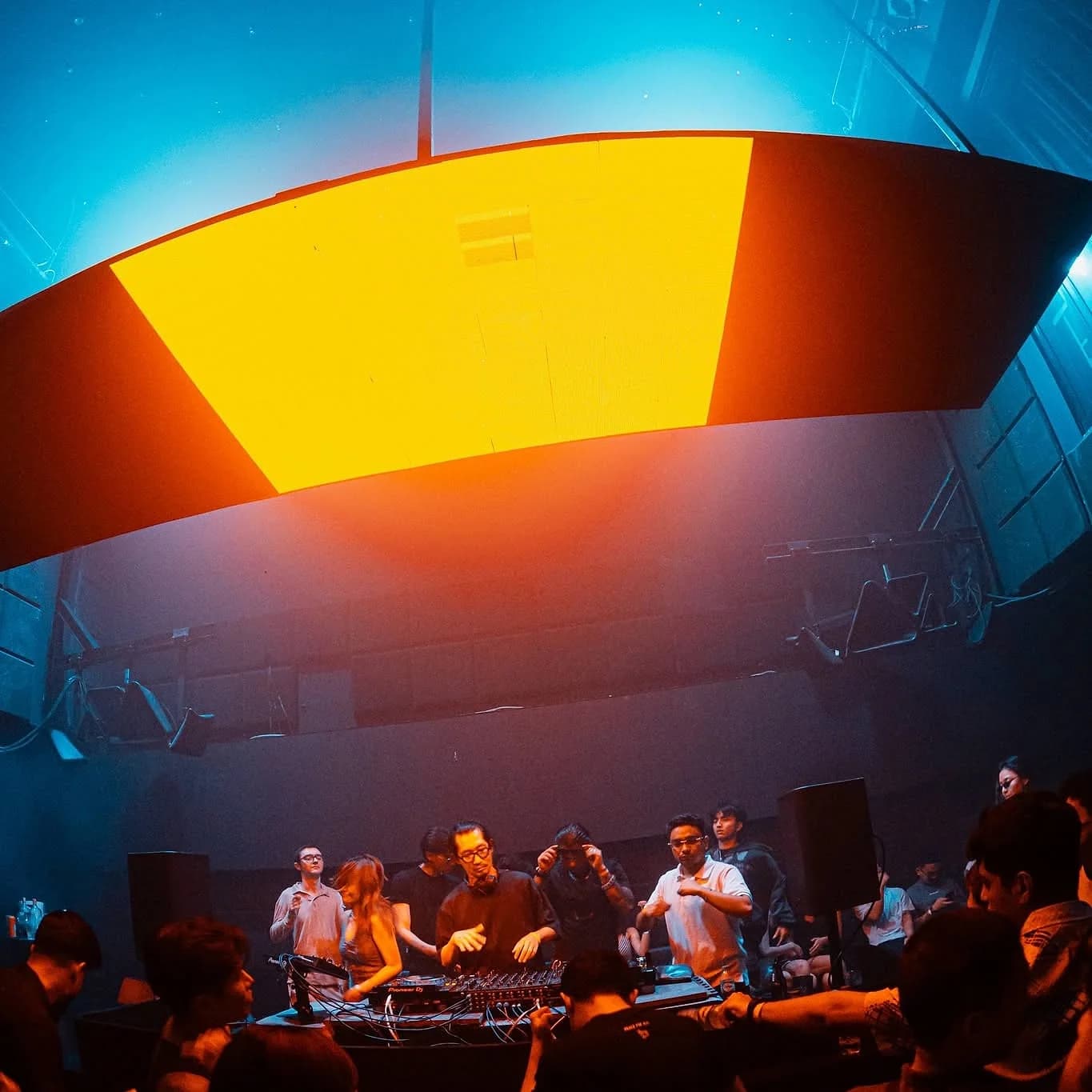
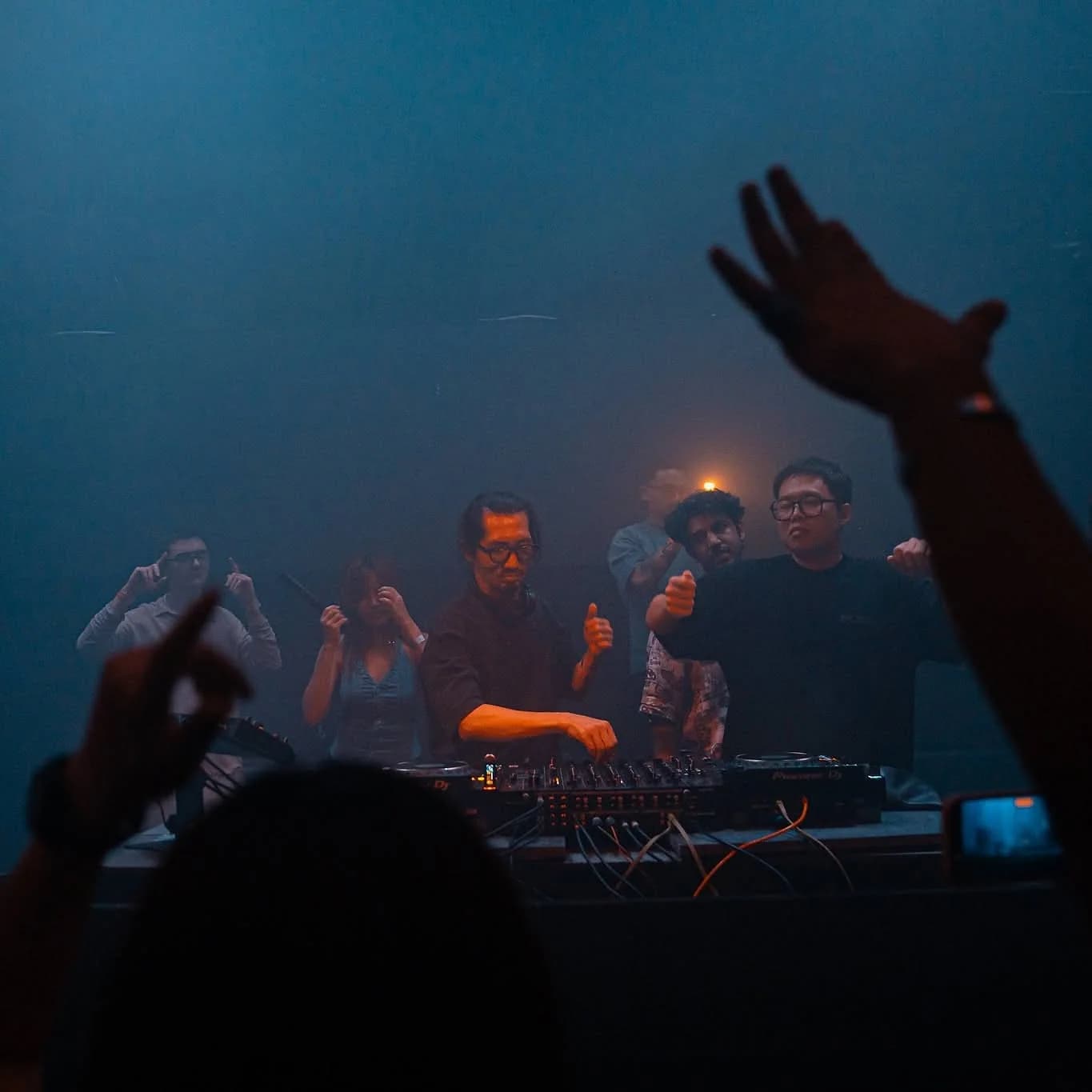
The collective's biggest swing so far came in collaboration with FTV, Yangon's roving hard-techno night. Per Bandcamp Daily's 2024 scene report, the two crews rented out the 26th floor of an abandoned office building, split the dusty, empty space into three zones with different sonic themes, brought in their own sound and lights, and packed it with more than 1,000 people. For a scene operating on a shoestring budget under an active curfew, it stands as proof of how far word of mouth alone can carry a party.
That growth hasn't come without strain across the wider scene. The same Bandcamp Daily report noted that other Yangon nights had thinned out by late 2024, with Red Room's crowds shrinking and FTV going quiet in the city amid conscription, a collapsing currency and fuel shortages. Groove Culture's own Facebook page tells a steadier story: recent flyers still advertise "Groove Culture Sessions" nights at The Vault, with lineups of local selectors including AP31, BBTT, LIN, MANOJ and YU KT, evidence the collective is still booking and still drawing a room.
Proof the Scene Doesn't Need Outsiders
Writing about Red Room's SADDAR NO compilation, Loopliner put the wider Yangon scene's stakes plainly: it exists because a scene this precarious needed proof it was real before conscription, currency collapse or curfew could erase it. Groove Culture's answer has been quieter but just as pointed, a house night that exists because five friends decided Yangon's dancers deserved better than a soundtrack picked by whoever was sponsoring the bar. Under curfew, under a junta, on the 26th floor of a building nobody else wanted, that's still the pitch.
Read Next


Stay in the loop
Asian electronic music, weekly