
Singapore's Electronic Music Scene, Explained: Zouk's Rise and Thugshop's Shrinking Underground
Zouk got evicted by its own neighbors and came back as a DJ Mag top-20 club. Thugshop's HQ closed on its own terms after a decade. Singapore's house and techno scene actually splits in two.
On May 30, 2026, Singapore's Headquarters shut its doors for good: a decade of house and techno in a red-lit room on Boat Quay, no door policy, no explanation beyond its own closing statement. Ten minutes away by foot, Zouk had just finished a renovation that pushed it to No. 17 on DJ Mag's Top 100 Clubs. Both things happened in the same city's scene within months of each other, and neither one explains Singapore on its own.
Understanding Singapore's house and techno scene means tracking two separate stories at once: a globally ranked mainstream anchored by one 35-year-old club, and a smaller underground that keeps rebuilding itself under one operator's umbrella, both running inside a country with some of the strictest public drinking laws in Southeast Asia.
Zouk Built an Empire, Then Lost Its Lease
Zouk opened in March 1991 inside three restored 1919 warehouses on Jiak Kim Street, a 400-capacity room that brought house music to a city still playing Top 40 and retro sets everywhere else. It stayed on Jiak Kim Street for 25 years and became Singapore's default clubbing address. Its lease there expired at the end of 2015 and wasn't renewed. The club reopened on December 17, 2016, inside a 30,000-square-foot space at 3C River Valley Road, in the CQ @ Clarke Quay complex, split across three rooms this time: Mainroom, Phuture and Capital.
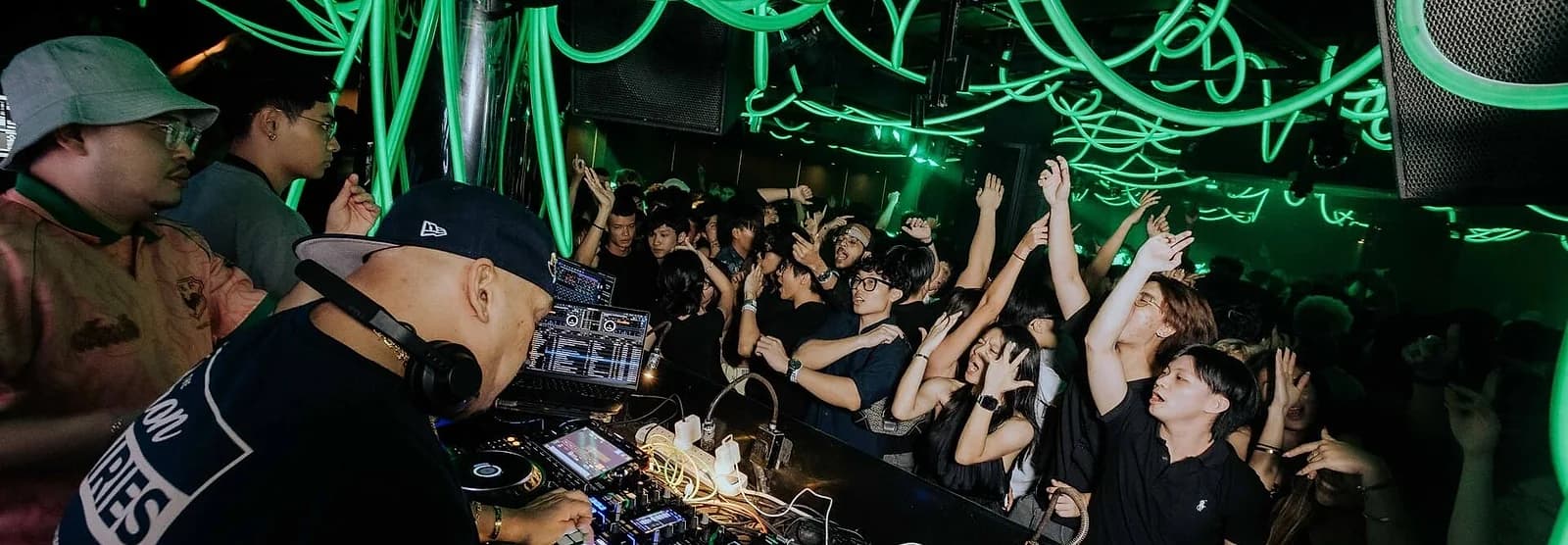
The move paid off. In 2026, Zouk's team renovated Mainroom and Phuture with 12-metre LED walls, reopened June 18, and climbed 13 spots to No. 17 on DJ Mag's Top 100 Clubs poll, with Mainroom now holding around 2,900 people on its own. No Malaysian club made that same list this year, a gap we've compared Kuala Lumpur and Singapore's scenes over in more detail. Zouk's story is survival through scale: lose the lease, come back bigger, reinvest in production until the rankings notice.
Thugshop Built the Other Half, and Let One Room Go
The same year Zouk moved, 2016, a different pair opened a one-room club at 66 Boat Quay. Clement Chin and Eileen Chan, the DJ duo known as Cats on Crack, launched Headquarters as a project they called The Council: graffiti on the walls, a caged DJ console, a red light over everything, and no door policy at all. Over ten years it pulled in Gerd Janson, Peggy Gou, Amelie Lens, Tin Man and KiNK, running on a cover charge nowhere near Zouk's bottle-service economics.
Headquarters later became part of a wider collective called Thugshop, which also runs Tuff Club, on the 19th floor of a CBD office tower, text-only reservations, a Funktion-One rig playing house, jungle, UK garage and techno; MDLR, at 62 Cecil Street, booking jungle and bass acts, which is how UK MC General Levy ended up playing a rare Singapore date there on October 3; and Higher Ground, Thugshop's third room. Four rooms under one umbrella, spread across the downtown core.
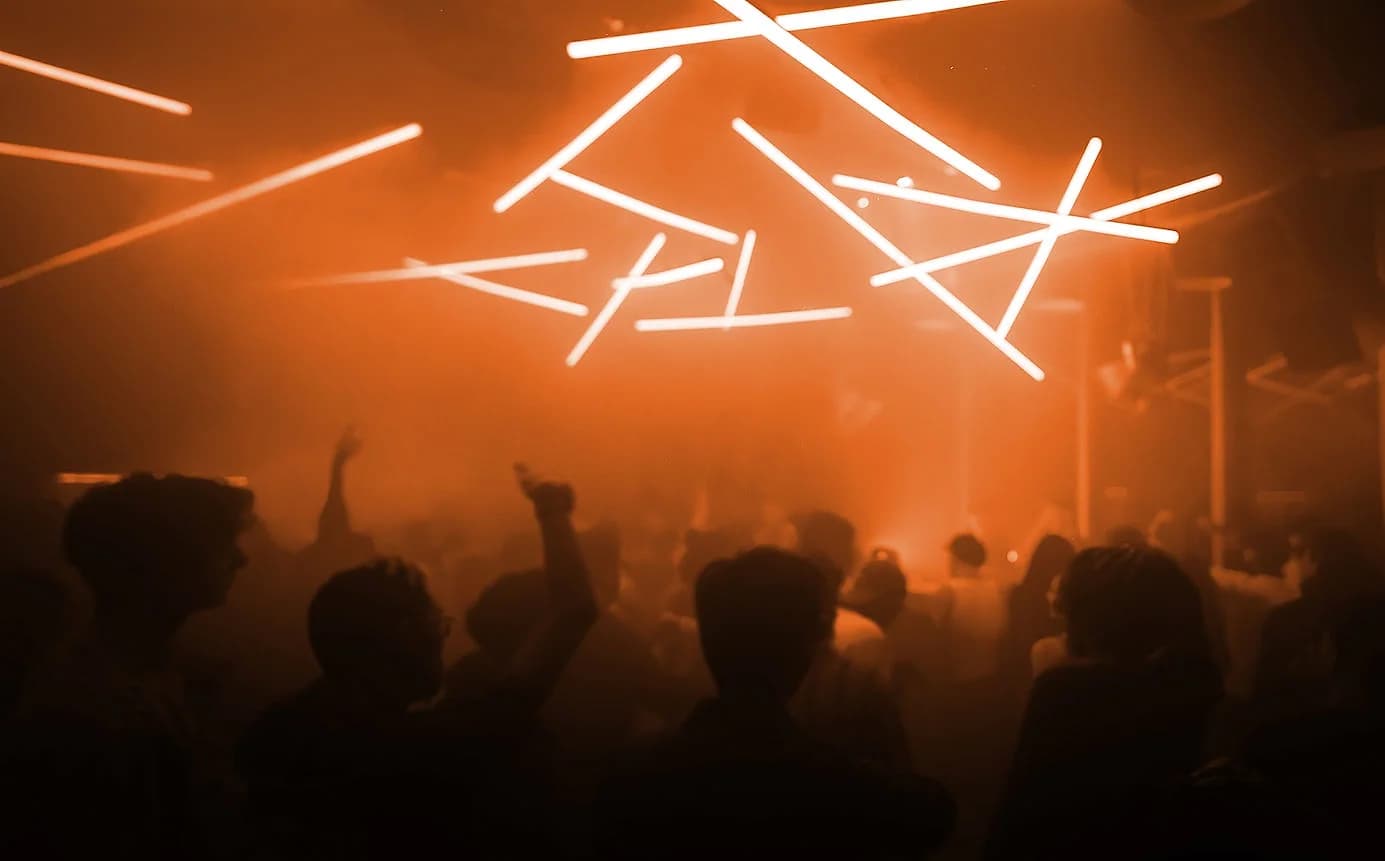
Then on May 30, 2026, HQ closed anyway, marked by a 10-hour send-off across two rooms with ten back-to-back resident sets. Thugshop's own closing statement was unusually direct about why: the end "wasn't a casualty of rising rents or a licensing dispute," it read, but "a clear-headed decision" the team had reserved the right to make all along. "Better to close than to change." That's a different story than the one that usually gets told about underground venues getting squeezed out by landlords. Here the room that started it all walked away on its own terms while its three siblings kept the lights on that same week, which says something about how distributed Singapore's underground has actually become: not one flagship anymore, several smaller addresses instead.
The Law Shaping Everyone's Night
Neither club operates in a vacuum. Singapore's Liquor Control (Supply and Consumption) Act, passed after the 2013 Little India riot and in force since April 2015, bans drinking alcohol in public places between 10:30pm and 7am, and bans retail liquor sales in that same window. Two Liquor Control Zones, in Little India and Geylang, run even stricter rules on weekends and public holidays. The law doesn't reach inside a licensed club, Zouk and HQ both operated on their own permitted hours regardless, but it reshaped the street-level culture around nightlife.
The practical effect is that Singapore's nightlife concentrates indoors, inside paid, licensed rooms, more than loitering-friendly cities elsewhere in the region. That favors an operator with the capital to run a full liquor license and staff a long night properly, which is part of why Zouk's scale advantage keeps compounding, and part of why a no-frills, no-cover room like HQ always read as the exception rather than the norm.
It's Not Only Clubs
Singapore's scene also runs through labels that don't need a venue at all. Darker Than Wax, a decade-old label and day party, opened a third Singapore home at Ida's Bar in Gillman Barracks, proof the scene was producing and releasing music well before HQ ever existed. Producers move through it too, from either direction: Myrne became the first Singaporean signed to Mad Decent and rebuilt his sound after a personal loss, while Darker Than Wax has pulled artists in from across the region, including Manila's own UNOS. None of that needs a 2,900-capacity room or a text-only door to matter; it's the part of the scene that keeps working when a venue, any venue, eventually closes.
FAQ
When did Zouk open, and why did it move?
Zouk opened in March 1991 on Jiak Kim Street. It relocated to Clarke Quay in December 2016 after its lease expired and the surrounding area, by then mostly residential, stopped tolerating a nightclub as a neighbor.
What happened to Headquarters (HQ)?
HQ, the underground club Clement Chin and Eileen Chan opened on Boat Quay in 2016, closed on May 30, 2026, after ten years. Its operators, Thugshop, said the closure was a deliberate decision rather than the result of rent increases or a licensing dispute.
What other venues does Thugshop run in Singapore?
Thugshop currently runs Tuff Club, MDLR and Higher Ground, all clustered around Boat Quay and the Central Business District, after closing Headquarters in May 2026.
Can you drink in public in Singapore at night?
No. The Liquor Control (Supply and Consumption) Act 2015 bans drinking alcohol in public places, and the retail sale of takeaway liquor, between 10:30pm and 7am, with stricter rules in the Little India and Geylang zones on weekends and public holidays.
Is Singapore's scene mostly mainstream or underground?
Both, running in parallel. Zouk represents the globally ranked, capital-heavy mainstream, while Thugshop's smaller rooms carry the underground forward even after losing their original flagship.
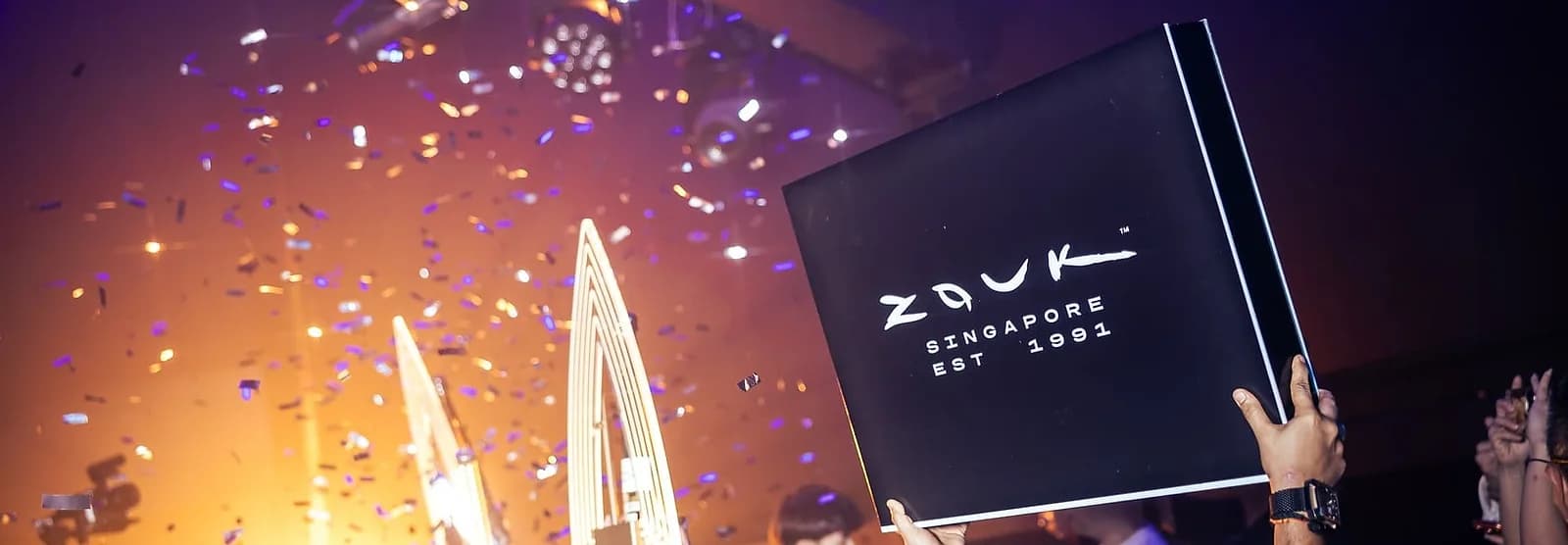
Cover photo: Zouk Singapore's own "Est. 1991" signage, via zoukgroup.com. Credit: Zouk Group.
Read Next
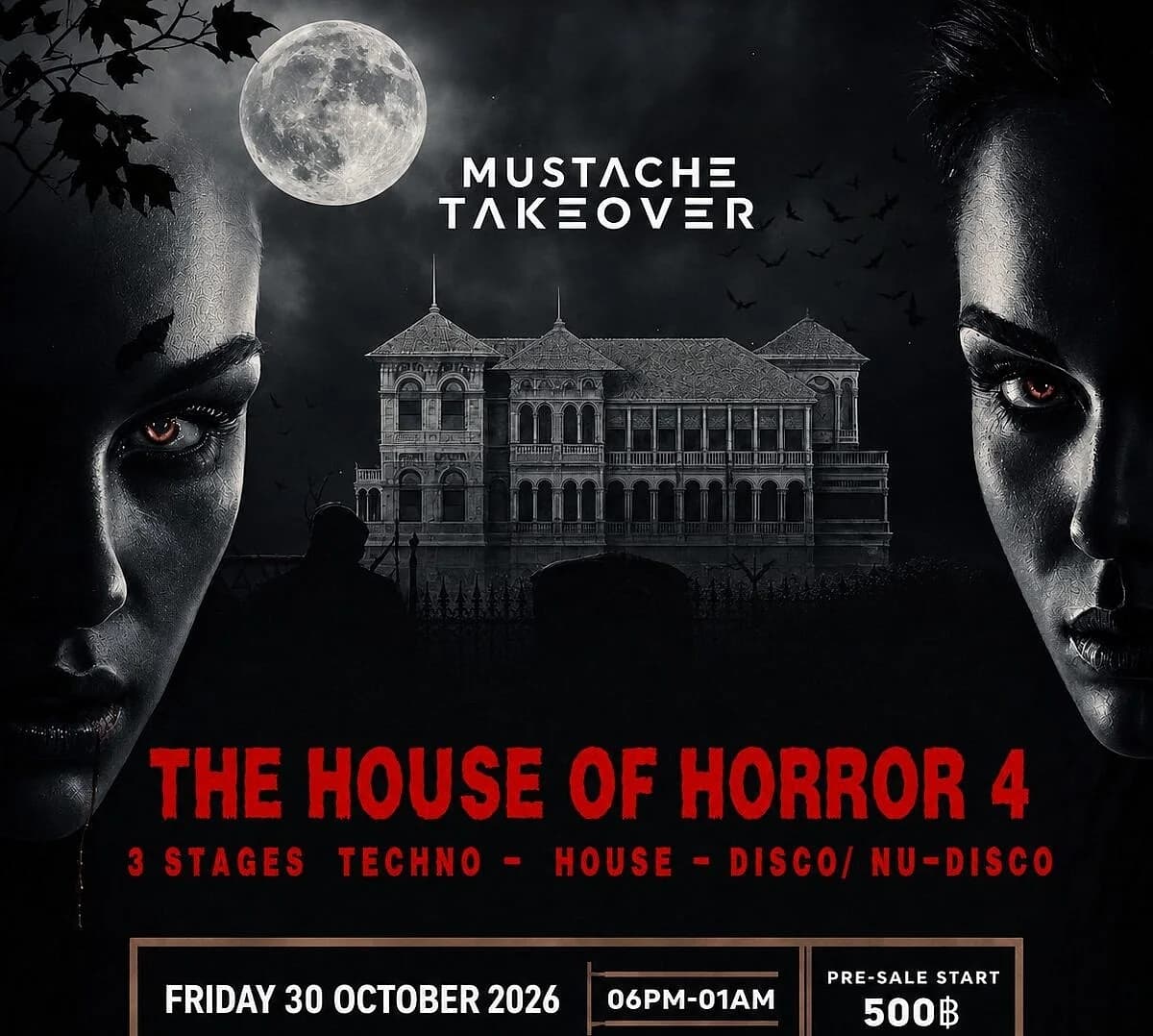
Zouk Singapore Runs Three Halloween Parties in One Weekend. Bangkok's Mustache Takes Over a 137-Year-Old Mansion.
Carl Cox Headlines Savaya's New Year's Eve in Bali While the Rest of Southeast Asia Stays Quiet
Tokyo After Dark: Inside Japan's Underground House Revolution
Stay in the loop
Asian electronic music, weekly