
Vinyl vs Digital DJing: What Southeast Asia's Clubs Actually Expect
Nearly every working club in Southeast Asia runs the same Pioneer CDJs found everywhere else. Vinyl hasn't disappeared, it just moved to a different kind of room.
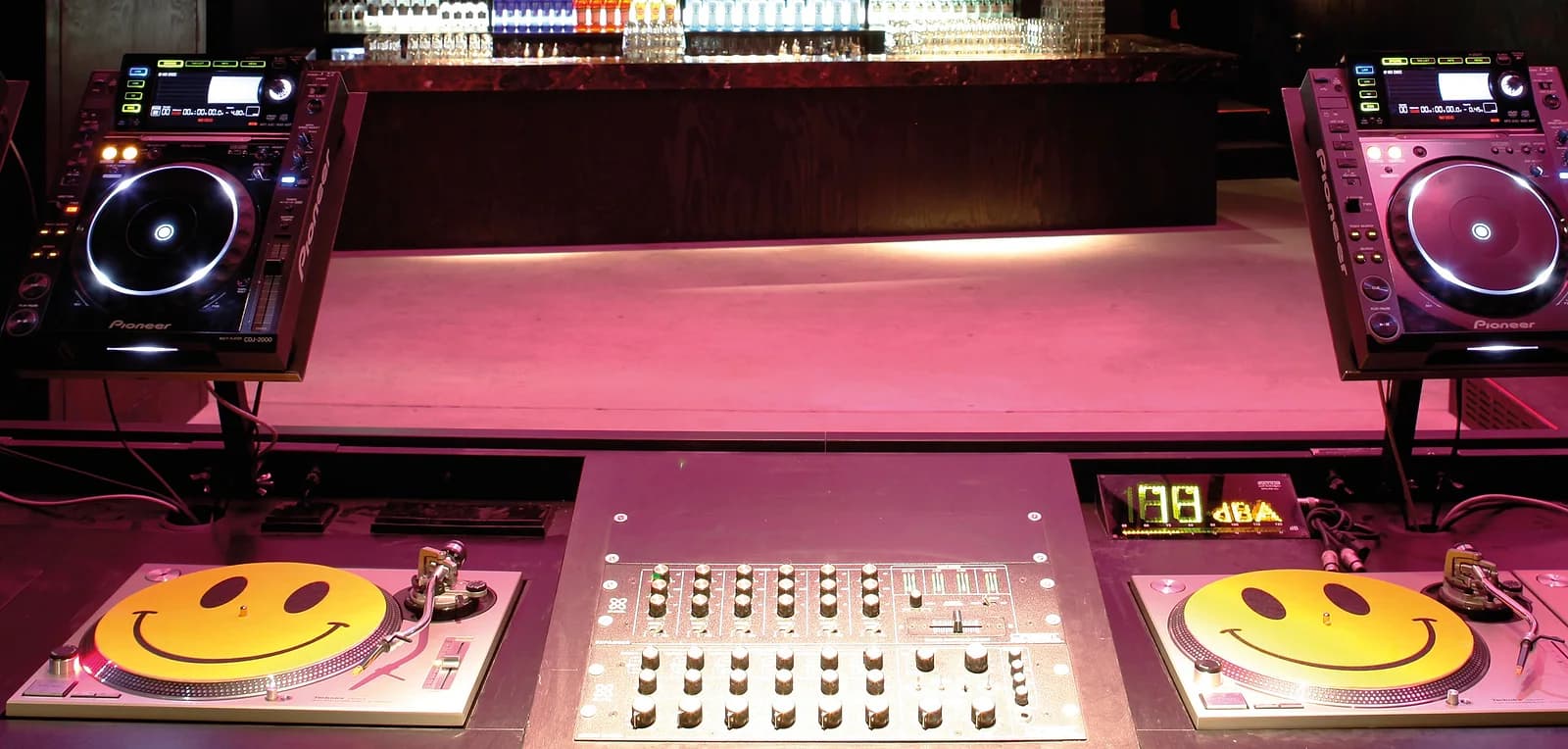
Walk into Zodiac on a Friday night in Jakarta and the booth tells you everything. Two Technics SL-1200 MK5 turntables sit bolted in on either side of two Pioneer CDJ-3000s, run through a UREI 1620 mixer with a Stornsystem isolator built underneath to stop the needles jumping when the sub kicks in. Nobody treats that as a novelty. It's just how the club plays music.
If you're planning a set in Southeast Asia, or just wondering whether the region runs on vinyl or digital, the honest answer is neither, cleanly. Almost every working club defaults to Pioneer, now AlphaTheta, CDJs, the same gear you'd find in a booth in Berlin or Tokyo. Vinyl hasn't disappeared. It's mostly moved to a different kind of room: the listening bar, not the club dancefloor.
The Short Answer
According to Digital DJ Tips' own Global DJ Census research, Pioneer/AlphaTheta now holds roughly 70% of the global DJ equipment market, and in professional venues specifically, the site puts that figure at "basically 100%". Southeast Asia hasn't written its own rules here. A club booth in Bangkok, Manila, Ho Chi Minh City or Singapore will almost always show the same pairing found everywhere else: two or more CDJs flanking a DJM mixer, wired for USB and rekordbox.
For a working DJ, that answers the practical question fast. Bring a USB stick with your set prepared in rekordbox, and confirm the exact format with the promoter ahead of time since booth software still varies venue to venue. Nobody is asking you to travel with a record crate.
Where the Region's Better Rooms Actually Land: Hybrid, Not Either/Or
The more accurate description of Southeast Asia's best-regarded booths isn't vinyl or digital, it's both, installed side by side. A Mixmag Asia survey of DJ booths across the region found the same pattern repeating at several of its most distinctive venues. Zodiac in Jakarta runs its two Technics turntables and two CDJ-3000s through that UREI 1620 and custom isolator. In Manila, OTO does the same on a smaller footprint: two SL-1200s and two CDJs through a four-channel mixer, backed by a wall of vintage JBL horn speakers from the 70s and cinema-era Altec Lansing units the bar built its identity around. In Bandung, Peels Records & Bar keeps turntables next to CDJs too, inside a room built for its own custom acoustics.
None of these rooms are vinyl-only. All of them could run an entire night off USB and never touch a needle. The turntables stay installed because the DJs booked there, often residents with a record collection to draw on, actually use them, not because the venue is making a genre statement.
Where Vinyl Still Rules
The genuinely vinyl-committed rooms in Southeast Asia tend not to be clubs at all. Bangkok carries the clearest cluster. Biscuit Bar & Café runs its DJs through a Taula Rotary mixer, built around a fully analogue chain from record to ear. Siwilai Sound Club pairs OJAS speakers with a classic Urei 1620. Iconic Studios doubles as a DJ school and equipment shop, with listening rooms built around Urei and Funktion-One systems.
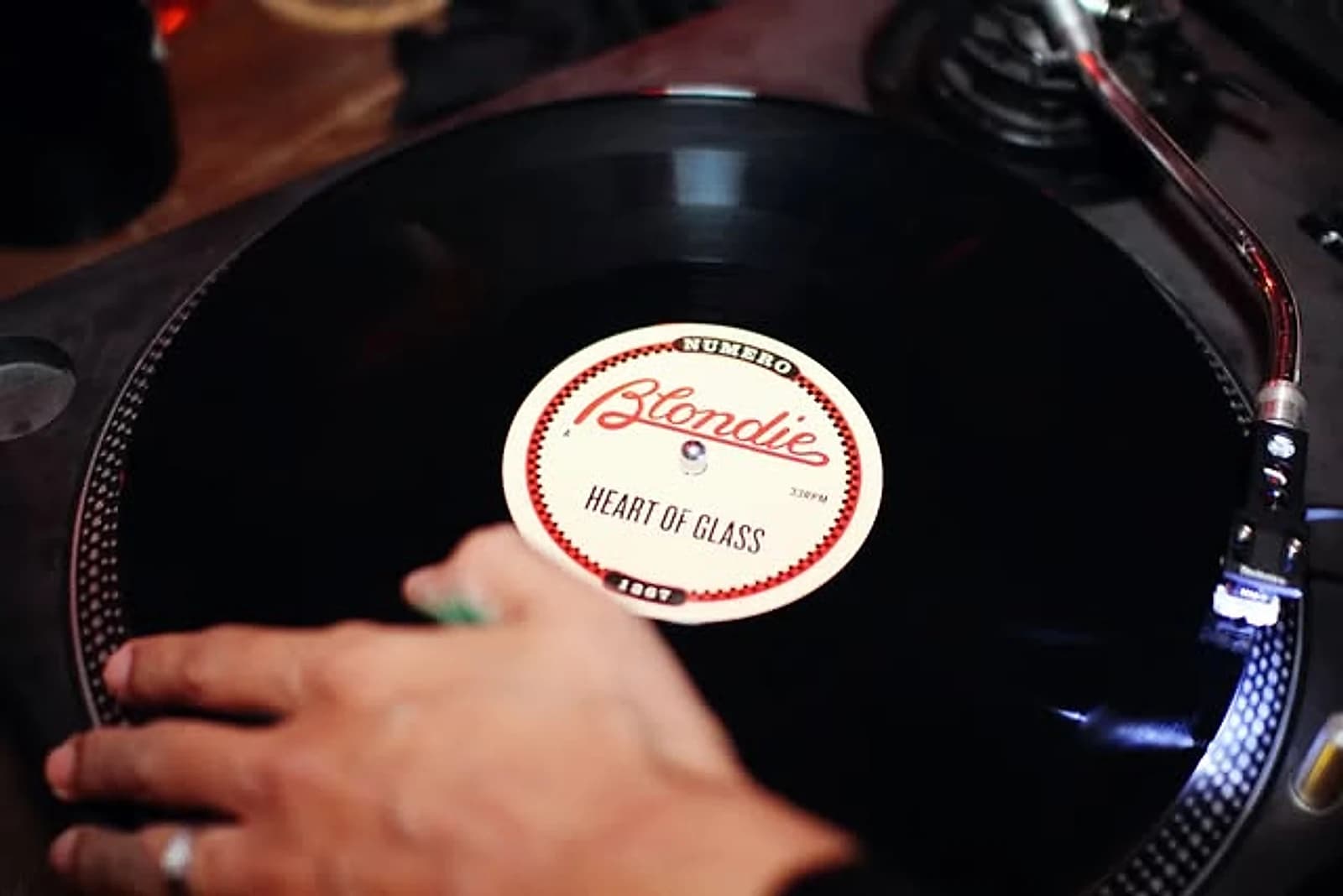
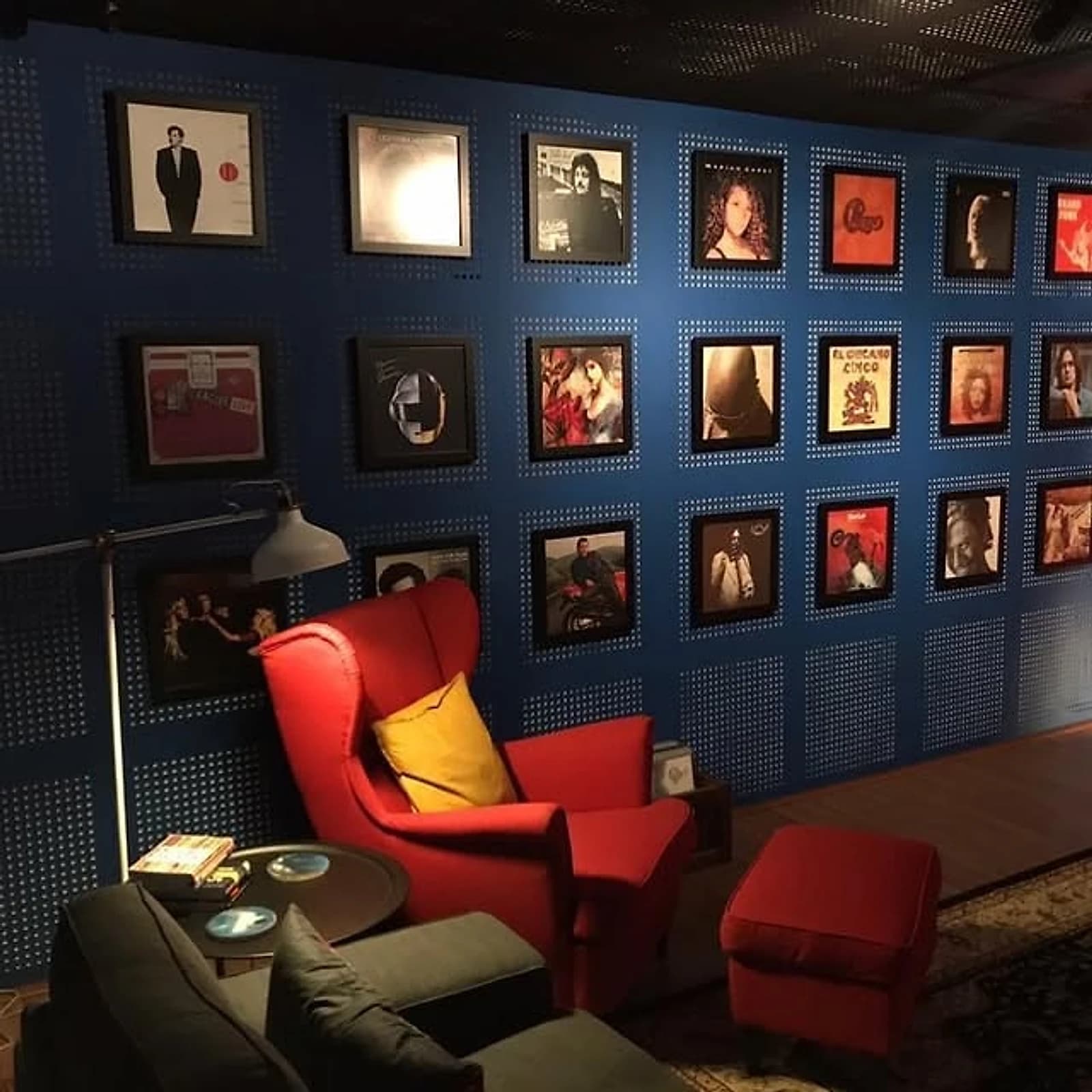
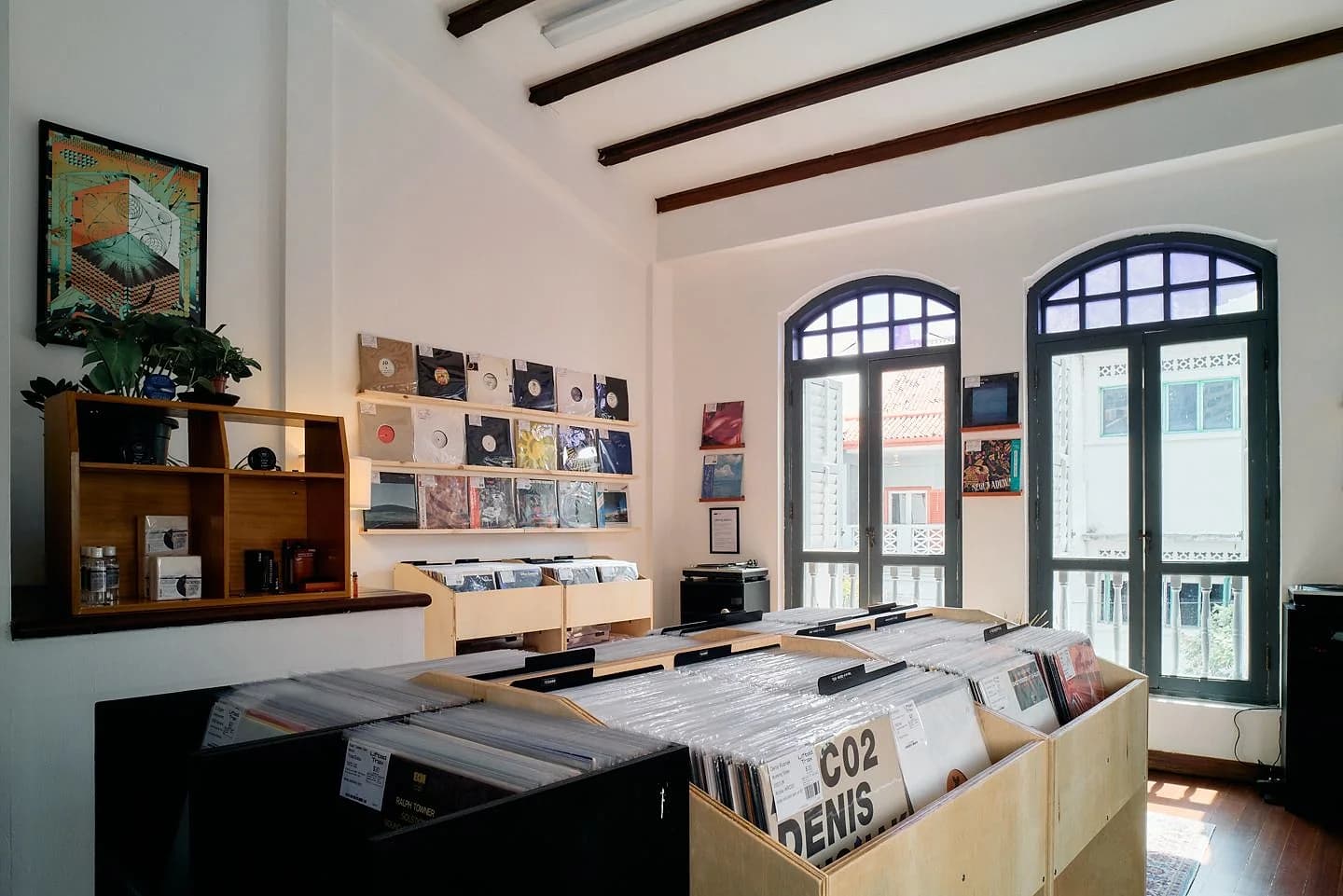
These are listening bars, built around the ritual of playing a physical record for a room that came to listen, not dance for four hours. The distinction matters for anyone booking a gig: a touring house or techno DJ playing a club night will never be asked to bring vinyl. A resident spinning a Sunday session at Biscuit Bar will be expected to bring nothing but records, because there's no CDJ on site to fall back on. The region's growing record-store network, from Play Record Stop in Manila's Poblacion to The Groove Room in Petaling Jaya, feeds exactly that crowd rather than club DJs prepping a USB.
What To Actually Bring
If you've got a club gig in Southeast Asia: a USB stick, tracks organized and prepped in rekordbox, is the standing expectation. Email the promoter beforehand and ask what the booth actually runs. If you've been booked into one of the region's listening bars instead: ask first, don't assume. A set at Iconic or Biscuit Bar runs on the room's own turntables and, at some of these spaces, on records you bring yourself, since house-copy crates aren't guaranteed. Showing up to a vinyl-first room with only a USB stick is the one way to actually get caught out by this split.
FAQ
Do Southeast Asia's clubs use vinyl or digital DJ equipment?
Most professional clubs in the region run Pioneer or AlphaTheta CDJs as the default, the same setup used in clubs worldwide. Vinyl survives mainly in dedicated listening bars rather than on club dancefloors.
What should I bring to a club DJ gig in Southeast Asia?
A USB stick with your set prepared in rekordbox is the standard expectation. Confirm the exact format with the promoter beforehand, since booth software still varies from venue to venue.
Where can I hear vinyl-only or vinyl-first DJ sets in Southeast Asia?
Dedicated listening bars built around analogue sound systems, such as Bangkok's Biscuit Bar & Café and Iconic Studios, or hybrid rooms like Jakarta's Zodiac, Manila's OTO and Bandung's Peels Records & Bar, which keep turntables installed alongside CDJs.
Is vinyl making a comeback in Southeast Asia's clubs?
Not really on club dancefloors specifically, but the region's listening-bar and record-store scene keeps growing, from Biscuit Bar and Siwilai Sound Club in Bangkok to Play Record Stop in Manila and The Groove Room in Petaling Jaya.
Do international touring DJs bring their own equipment to gigs in the region?
No. Professional venues supply the CDJs and mixer. DJs bring a USB stick or, less often, their own controller, matching the same rider expectations used at clubs everywhere else.
Cover photo: Arnold Jaeger Werner, CC BY 2.0, via Wikimedia Commons.
Read Next

Stay in the loop
Asian electronic music, weekly