
What Is Ballroom Culture, Explained: Manila's House of Mizrahi Turns 10 This Year
Manila's House of Mizrahi turns ten this year, ten years after Xyza Mizrahi brought international ballroom culture to the Philippines.
In 2016, Xyza Mizrahi threw her first ball in Manila. Ten years later, the Philippines' ballroom calendar runs solid through December, a seven-year documentary about the region's scene competed at the 2025 Busan International Film Festival, and Bangkok, Kuala Lumpur and Singapore have each built their own version of the same thing: Houses, Mothers, categories, and a runway where the music never stops.
What Ballroom Actually Is
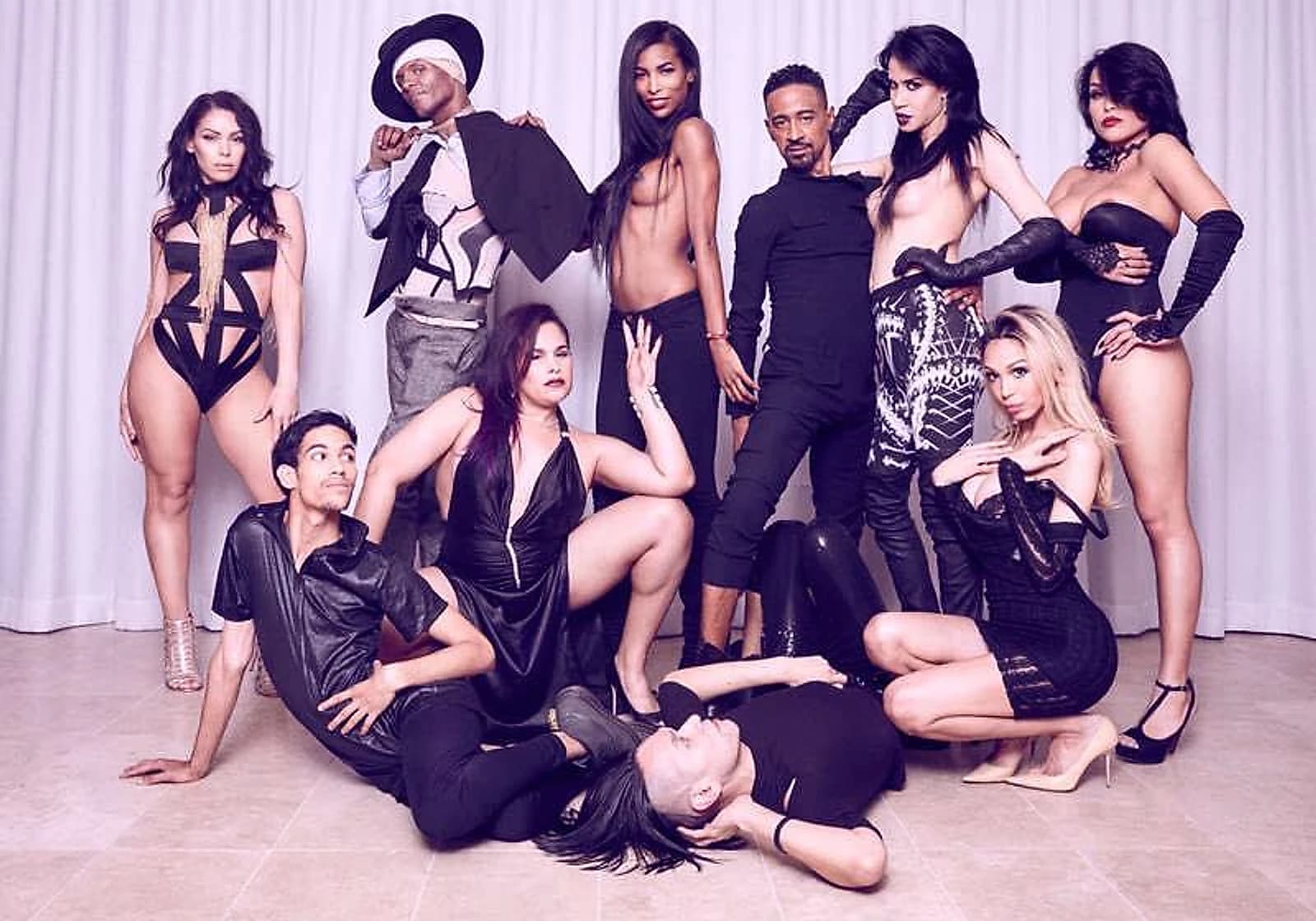
Ballroom culture started in 1970s New York, built by Black and Latino queer and trans communities who were shut out of the mainstream drag pageants of the time and started their own. Dancers compete representing "Houses," chosen families led by a Mother or Father, across categories that range from Vogue (Old Way, New Way, Vogue Femme) to Runway, Realness and Face. A "ball" is the full competition; a "kiki ball" is the lower-stakes, more social version newcomers get pointed to first, before they're ready for the real thing. It's a different circuit from the queer club nights this site has already covered in Beyond White Party Bangkok, with its own calendar and its own Houses, but it grew out of the same need for a room that felt like home. Southeast Asia's ballroom scene is young: Manila's began in 2016, and Bangkok, Kuala Lumpur and Singapore followed within a few years.
Manila Built the Region's First Scene
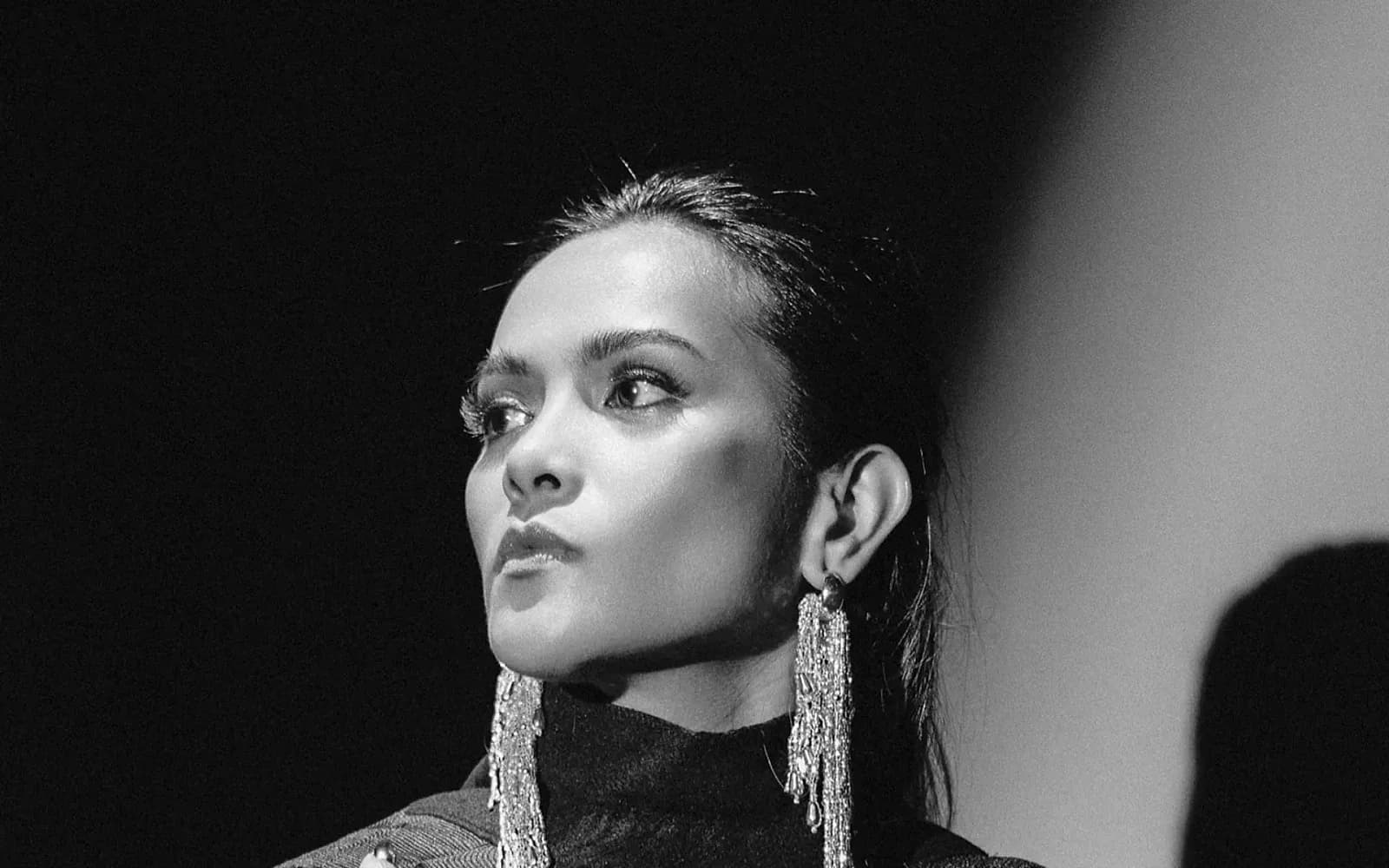
Xyza Mizrahi threw the Philippines' first ball in 2016 and brought House of Mizrahi, founded in New York by Andre Mizrahi, into the country as its first international House. She's its Mother now. The scene has spread out of Metro Manila into other parts of Luzon and into Cebu, with organizers hoping Davao is next. "We were lucky if we had three balls in a year," Mizrahi has said of the early days. "But now, we already have a ballroom calendar schedule filled until December," she says. Competition categories run from Realness, Performance, Face and Body through Sex Siren, Runway and Bizarre. 10s Across the Borders follows Mizrahi alongside Sun in Thailand and Teddy in Malaysia.
Bangkok's First Ball Ran on a 250-Baht Door
The Diversity Kiki Ball ran in Bangkok on Saturday, December 8, 2018. It ran at Penta on Bangkok's Ekkamai Road, door charge THB250 and free to walk in the ball. Thailand had no ball or native voguers until Amazon Sun took up voguing. He took his first vogue class after years of studying ballet, contemporary and modern dance, then taught himself off YouTube and traveled for classes and competitions. His signature style is Vogue Femme. "Kiki ball is something you attend before you get to the real world of balls and voguing," Sun has said. "It's more like a school where you educate yourself about the battles and vogue culture," he said. Registrants for that first ball came from Japan, the Philippines and Singapore, across categories including old way and new way voguing, butch queen vogue femme, and both American and European runway.
Kuala Lumpur's Scene Started With the Belacan Ball
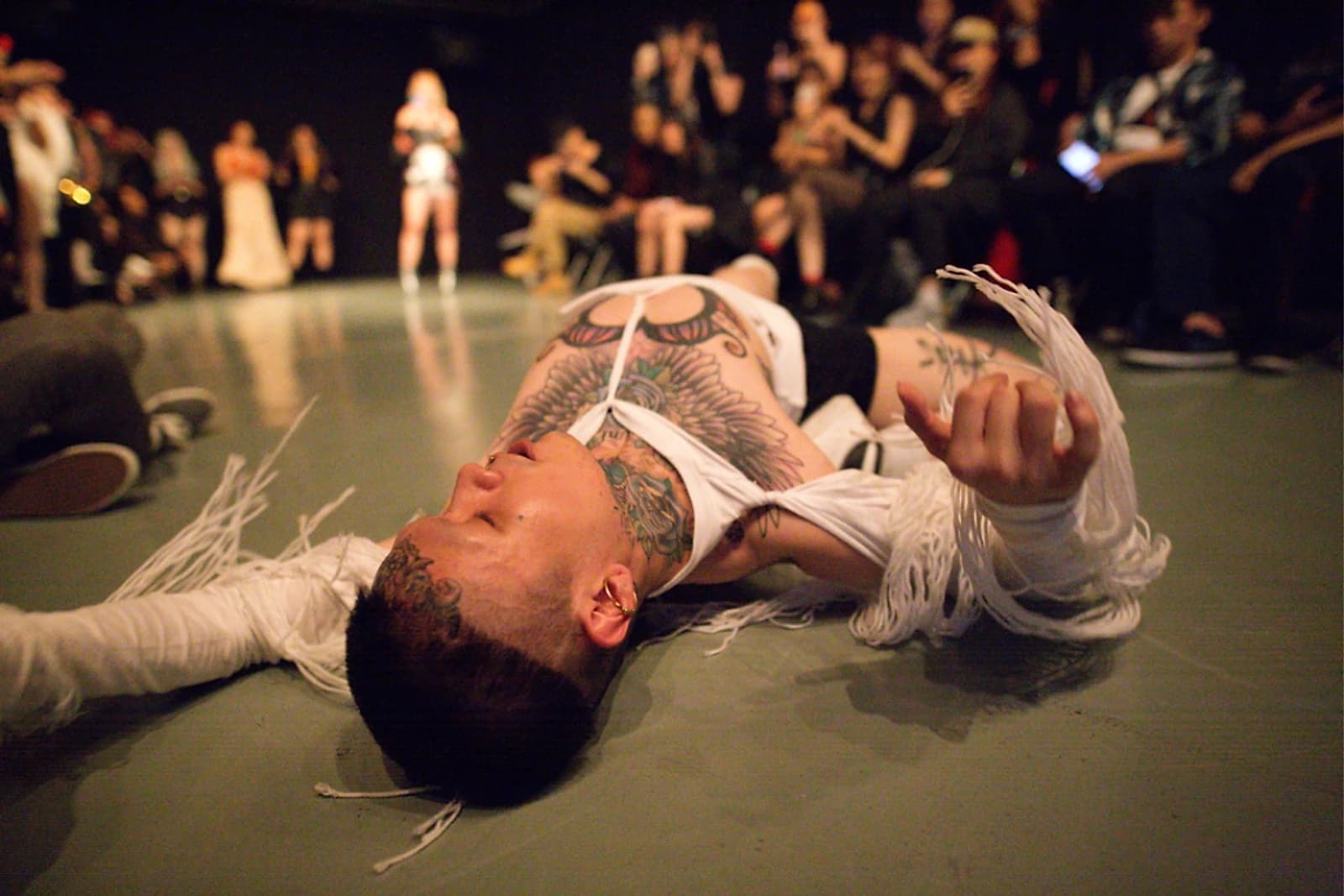
Malaysia's ballroom history runs through one man: Ong Xing Kai, known as Teddy, founding parent of Kiki House of Neverland. He'd been waacking since he was a teenager when a chance to perform alongside Tokyo's Gegegay led him to voguing, and he learned the form properly from A-Yao Ninja of New York's House of Ninja, one of ballroom's oldest and most storied houses. Teddy specializes in Hands Performance, a Vogue Femme discipline built on fast, precise hand and arm movement rather than full-body drops. The 2018 Belacan Ball is the event Malaysia's scene points to as its start.
Singapore's Crystal Ball Pulled In the Whole Region
Singapore's first vogue ball, the Crystal Ball, ran April 27, 2019, at The Projector, organized by the collective Vogue in Progress. It drew people from across Southeast Asia plus Macau, Hong Kong, Australia and Japan. Koppi Mizrahi, the Tokyo-based International Mother of House of Mizrahi, has taught voguing across Japan, Taiwan, China, the Philippines and Thailand. "People are really so passionate about learning voguing and the culture here," Koppi said of the region. "People are really respectful and humble with each other," she added. Singapore also has its own home-grown house built specifically around drag, House of Miss Joaquim, led by local drag queen Vanda Miss Joaquim. Singapore's club scene has its own separate builder, too, in TASHASAN, who plays club nights built around UK garage, bass and jungle. She shut down her own Singapore collective, then built two more to replace it.
The Documentary That Ties It Together
Chan Sze-Wei directed 10s Across the Borders. The project began in 2017, and what followed was a seven-year journey. The film follows Sun, Teddy and Xyza across their scenes in Thailand, Malaysia and the Philippines. The film is a co-production spanning the Philippines, Singapore, Indonesia and Germany. It premiered in the Wide Angle Documentary Competition at the 2025 Busan International Film Festival.
What This Piece Doesn't Cover
Nothing here is confirmed for Indonesia, Vietnam or Cambodia. That's not the same as saying nothing exists there, only that this research turned up no documented ball, house or voguer with a verifiable primary source in any of the three. If that changes, it's worth its own piece.
FAQ
What is ballroom culture?
Ballroom is a queer and trans performance culture that started in 1970s New York, where dancers compete representing "Houses," chosen families led by a Mother or Father, in categories including voguing, runway and realness.
What is voguing?
Voguing is a dance style that developed inside ballroom culture, with styles including Old Way, New Way and Vogue Femme, the back-arching, fast-handed style that Thailand's Amazon Sun specializes in.
Does Southeast Asia have a real ballroom scene?
Yes. The Philippines, Thailand, Malaysia and Singapore all have documented ballroom scenes, each centered on its own House and its own annual balls, and a 2025 documentary, 10s Across the Borders, follows three of the scene's leading figures.
What's the difference between a ball and a kiki ball?
A ball is the full, competitive event. A kiki ball is a lower-stakes, more social version aimed at newcomers, usually the first event a new voguer attends before competing at a real ball.
Where did Southeast Asia's ballroom scene start?
Manila, in 2016, when Xyza Mizrahi threw the Philippines' first ball and brought House of Mizrahi into the country as its first international House.
Cover photo: Xyza Mizrahi, via Vogue Philippines.
Read Next
DJ Mag's 2026 Top 100 Put Eight Thai Clubs on the List, More Than Any Other Country in Asia
Southeast Asia's Drug Laws for Clubbers, Country by Country
Bangkok's Underground House Scene Explodes: Hard In Zight 3 Festival Brings Raw Hardstyle Energy to AVVE Bar in March 2026
Stay in the loop
Asian electronic music, weekly