
Beyond White Party Bangkok: Where Southeast Asia's Queer House and Techno Scene Actually Lives
White Party Bangkok just became the first LGBTQ+ festival on DJ Mag's Top 100. The region's actual queer house and techno underground is smaller, harder to Google, and runs through Bangkok, Manila, Saigon and Singapore instead.
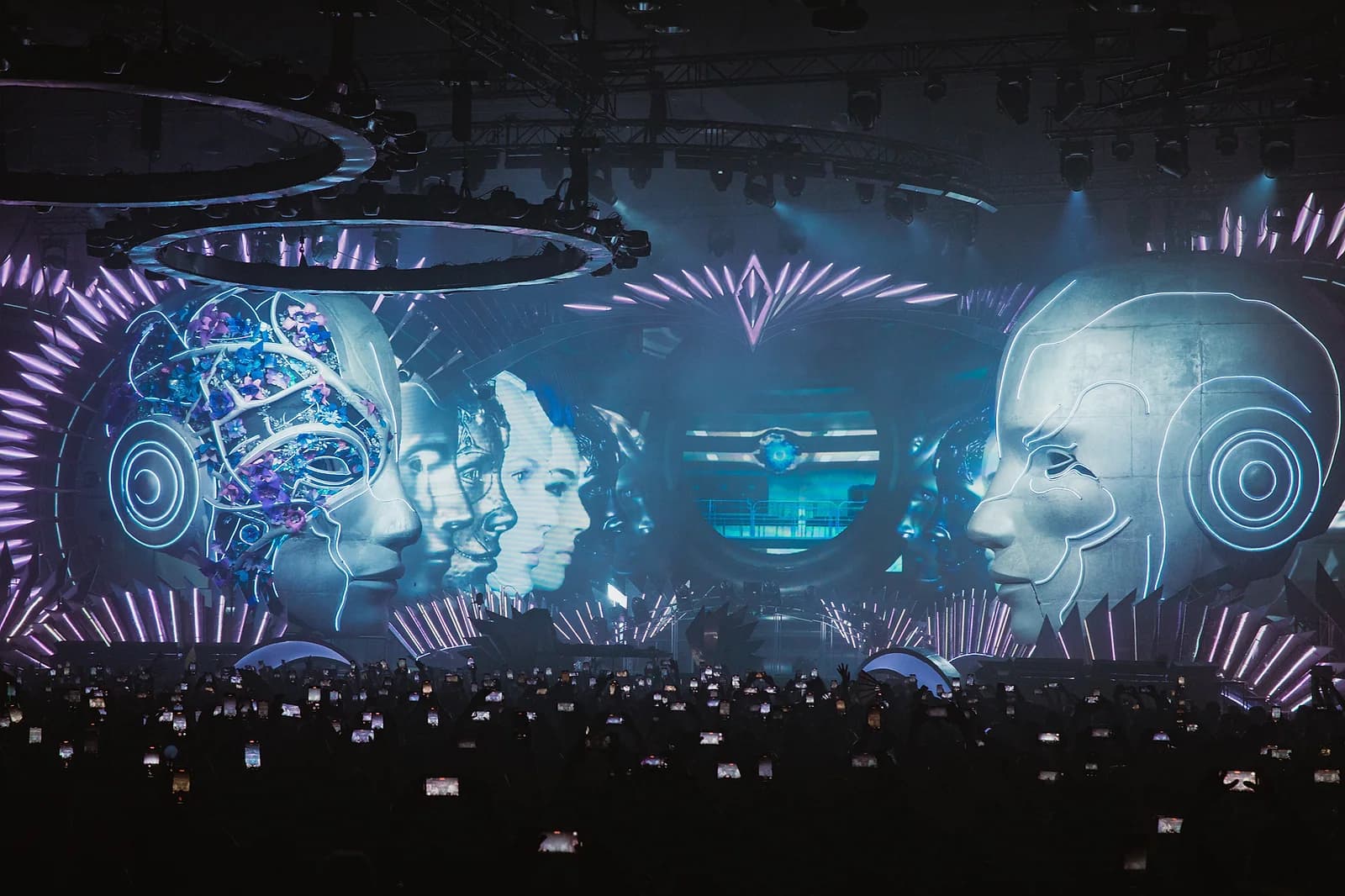
In July 2026, DJ Mag's fan-voted Top 100 Festivals list put White Party Bangkok at No. 73, the first LGBTQ+ festival ever to make it. In Indonesia's Aceh province, meanwhile, a man caught in a similar act to the ones White Party's 40,000-strong crowd celebrated openly could still be sentenced to public caning under Islamic law, a punishment an Aceh court has already handed down five times.
That's the range this guide has to cover. White Party Bangkok itself barely belongs in a house and techno conversation: it's circuit-party production, MORTEN and Fedde Le Grand on a pool deck, built for spectacle rather than a dancefloor a Bandcamp digger would recognize, as this site noted when the ranking landed. The actual underground, rooms playing EBM, techno, house and vinahouse for a queer crowd because nobody else would, is smaller, harder to Google, and built by people doing it for their own city rather than a tourist board. Here's where it actually is, and where it still can't legally exist.
Bangkok: NON NON NON Built the Room Nobody Else Would
Since 2018, if you wanted hard EBM, industrial and techno in Bangkok played without anyone at the door deciding you didn't belong, there was one name: NON NON NON. Malaysian-born trans DJ Wanton Witch (Miriam Alegria) wanted a harder, edgier room than the rest of the city's clubs offered, so she called Mae Happyair, who was already running an LGBTQ+ night called Go Grrrls, and the two built a collective around a simple bet: a room without harassment would find its people. It did. NON NON NON has spent seven years moving between spaces rather than settling into one, from loft pop-ups it calls Secret Raves to a 2020 queer rave with fellow crew Endless Light at Safe Room, a fuller history of the collective is on Loopliner.
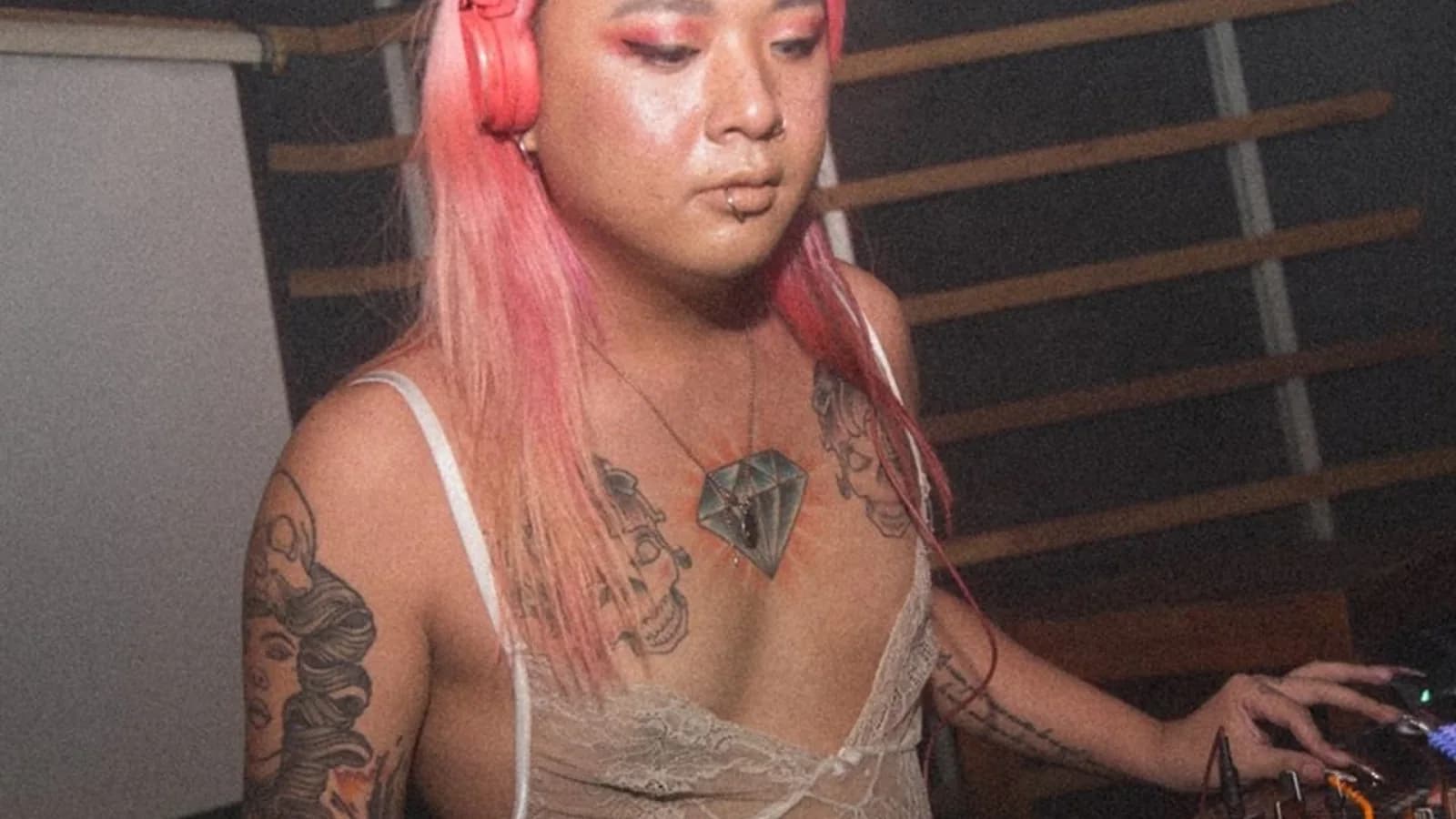
Earlier this year, Mae ran a month-long mentorship programme for Bangkok's women and queer DJs, backed by Goethe-Institut Thailand and Alliance Française. That's the unglamorous half of the story a circuit-party recap never shows: someone training the next selector because the industry's usual pipelines still skew straight and male almost everywhere in the region.
Manila: A Techno Club Called Apotheka, and the Party That Won't Sit Still
Manila's queer electronic scene lost its longest-running anchor when Today x Future, once described as the city's queer Berlin dive, closed, according to Bandcamp Daily's 2025 scene report. What replaced it is less a venue than a rotation of collectives that treat any warehouse or gallery as a stage. Elephant, a nomadic queer techno rave founded roughly five years ago by artist and promoter Paul Jatayna alongside SuperStarlet XXX and a wider crew, runs themed nights (BDSM, an evening-gown competition, prom night) and has flown in international bookings like Herrensauna, Boris and Chris Cruse. "The boundaries of queer are limitless, which in perspective makes it very inclusive," Jatayna told Mixmag Asia. A sister night, Church, hosted by Xtina Superstar and Paulo Castro, describes itself simply as a queer party where you can be anyone you want.
Both now find their most regular home at Apotheka, a two-level techno club on the ground floor of the White Rabbit Building in Poblacion, Makati, open Wednesday to Saturday from 9pm to 4am. The main room runs baile funk, global club and house; the mezzanine goes deeper into techno, jungle and 90s electro. There's no fixed cover most nights, though major events ticket in advance through the venue's own Instagram, @apothekapobla.
Ho Chi Minh City and Hanoi: Vinahouse Became the Point, Not the Punchline
Bung L0n formed in Saigon after Vietnam's Covid lockdowns because, by its founders' own account, the city had too few rooms built for its LGBTQ+ crowd. It started on techno and international club sounds like every other underground night in the region, then deliberately pivoted toward vinahouse, the wedding-tent, karaoke-adjacent sound Vietnam's self-styled taste elite dismisses as childish. "We are Vietnamese, why don't we play this type of music more," co-founder Trí Nguyễn told Saigoneer. Loopliner profiled the full story here, including how Boiler Room's touring BR X series paired Bung L0n with lesbian-scene crew Gái Nhảy for a Ho Chi Minh City night in October 2024. Saigon's queer map also includes Vấp Cục Đá, a ballroom night one regular called the country's first, though the alley club Arcan that hosted all three closed in March 2025, and the scene has run out of temporary venues since.
The cross-pollination runs north, too. Earlier this month Mixmag Asia covered NON NON NON taking over Hanoi's Unmute club with Bung L0n's Phát Paris on the bill alongside Hanoi selector Phong, a reminder that Vietnam and Thailand's queer scenes increasingly book each other rather than waiting for outside recognition.
Singapore: A House Party That Predates the Law Catching Up
Section 377A, the colonial-era law criminalizing sex between men, wasn't repealed in Singapore until 2022. MISMATCH, the city's house night built to recapture the genre's unifying pull for a queer crowd, had already been running for twelve years by then, founded in 2010 by nightlife veteran Bobby Luo and now spun off into sister parties Baby Boy Party and Yum Yum Disco Dong, according to the nightlife blog Life in Arpeggio. Post-pandemic, a newer, more explicitly inclusive strand emerged around spaces like The Glass Hut, an arts-enclave party space at 195 Pearl's Hill Terrace in Chinatown. "Being into house and techno music before Covid felt weird," resident DJ Jalpari (Samiksha Nair) told Vice in 2022, describing a scene that blends people across "racial, ethnic, sexual, and musical backgrounds" rather than branding itself a gay club specifically.
Where the Music Still Can't Legally Play
Malaysia's Penal Code sections 377A and 377B still criminalize consensual same-sex acts with up to 20 years in prison plus caning, untouched by the country's 2026 legal modernisation push. Brunei's Syariah Penal Code makes male same-sex relations punishable by death by stoning, covered by an official moratorium since 2019 but not removed from the law. Indonesia's national criminal code doesn't regulate homosexuality, but Aceh, the only province permitted to run its own version of Islamic law, allows up to 100 lashes for morality offences including gay sex. In August 2025, a Sharia court in Banda Aceh caned two men after prosecutors sought 85 strokes each, the fifth such sentence there since the law took effect, according to Euronews. None of that leaves room for a queer dancefloor to exist in the open, and by our reporting, none of the collectives above have a foothold in Kuala Lumpur or Bandar Seri Begawan.
What's Not on This List
Bali has a visible queer bar strip around Seminyak's Jalan Camplung Tanduk, drag and cabaret venues like Bali Joe and Mixwell among them, but nothing this reporting could verify as a dedicated house or techno night. That's a real gap, not an oversight, and worth revisiting if a genuine collective surfaces. Phnom Penh gets one honest mention rather than a full section: nightlife guides including TravelGay and Move to Cambodia point to a weekly night called Shameless at Pontoon, pairing drag with a tech-house soundtrack, though it hasn't had the kind of dedicated scene coverage NON NON NON or Elephant have. Thailand's own Marriage Equality Act, which took effect January 23, 2025 and made it the first Southeast Asian country to recognize same-sex marriage, changed the legal backdrop for Bangkok's scene but predates and is separate from the parties covered here.
FAQ
Is White Party Bangkok a house and techno festival?
Not really. It runs on circuit-party production values and big-room bookings like MORTEN and Fedde Le Grand rather than the house and techno lineups this site usually covers, even though its 2026 fan-voted DJ Mag Top 100 placement made it a genuine cultural milestone.
Where can I find queer techno parties in Bangkok?
NON NON NON, founded in 2018 by Wanton Witch and Mae Happyair, is the city's longest-running queer collective for hard EBM, industrial and techno, moving between pop-up venues rather than a fixed address.
Is being gay legal in Southeast Asia?
It depends entirely on the country. Thailand recognized same-sex marriage from January 2025 and Singapore repealed its sodomy law in 2022, while Malaysia and Brunei still criminalize same-sex acts and Indonesia's Aceh province has caned people for it as recently as August 2025.
What is vinahouse and why does Bung L0n build parties around it?
Vinahouse is a hard, wedding-and-karaoke-associated style of Vietnamese electronic music that Saigon's self-styled taste elite dismisses as childish. Ho Chi Minh City collective Bung L0n deliberately embraced it, finding that the genre made its queer dancefloor feel like home rather than an import.
Is there a queer house or techno scene in Bali or Cambodia?
Bali has a queer bar and cabaret strip in Seminyak but no dedicated house or techno night this reporting could verify. Phnom Penh has a weekly night called Shameless at Pontoon nightclub blending drag performance with a tech-house soundtrack, according to regional nightlife guides.
Read Next

Stay in the loop
Asian electronic music, weekly