
What Is Minimal Techno, Explained: Robert Hood Built It, and Bangkok's Culture Cafe Keeps It on Vinyl
Robert Hood stripped techno down to drums, a bassline and almost nothing else in 1994. Thirty-two years later, Bangkok's Culture Cafe is the one place in Southeast Asia still playing it that way, on vinyl, for free.
Most techno wants you to feel something building. Minimal techno wants you to notice what isn't there. Strip a track down to a kick drum, a hi-hat and one looping bassline, repeat it for seven minutes with barely a variation, and you've got the genre in miniature: house and techno's most deliberately empty corner, built by producers who got tired of the other kind of maximalism and decided less was the whole point.
In Southeast Asia, it mostly survives as a flavor other DJs reach for mid-set. Culture Cafe sits on Samsen Road in Bangkok's Phra Nakhon district. It runs the region's one dedicated minimal techno night, playing vinyl only with free entry, and the current run of weekly sessions is booked out to December.
What Minimal Techno Actually Sounds Like
The genre crystallized in the early 1990s as a direct reaction against where techno was heading. By the early 1990s, Hood thought techno had gotten too "ravey," tempos climbing toward what would curdle into gabber. A handful of Detroit producers, chiefly Robert Hood and Daniel Bell, pulled the other way. Hood later summed up the idea bluntly: "a basic stripped down, raw sound. Just drums, basslines and funky grooves and only what's essential."
That's it, more or less. Minimal techno runs 125 to 130 beats per minute (Richie Hawtin has named 128 as his own sweet spot), built on a Roland TR-808 or TR-909 drum pattern with the melody sanded off. Where a peak-time techno track stacks layer on layer toward a drop, minimal techno does the opposite: it takes elements away until what's left has nowhere to hide. Critics call the two main approaches "skeletalism" (keep only the core parts) and "massification" (layer sounds that barely shift), but the practical result is the same record played in a room that trusts a groove to carry itself for ten minutes without a hook.
Robert Hood Wrote the Blueprint in 1994
If the genre has one founding document, it's Robert Hood's Minimal Nation, released in 1994 on Jeff Mills' Axis Records. Hood built it on a Roland Juno 2, stripping Detroit techno of what critic Philip Sherburne later called "all remaining traces of disco and R&B," and he's described the record himself as a protest against the direction electronic music was taking at the time. It worked: Fact magazine ranked it among the best albums of the 1990s, and three decades on it's still cited as the blueprint a generation of producers built on. Hood reissued it himself, remastered with previously unreleased tracks, in 2009, and again as a triple-LP pressing on his own M-Plant label in 2015.
Germany is where the sound got popularized. By the early 2000s, Germany's Kompakt, Perlon and Richie Hawtin's own M-nus had built minimal techno into something closer to a scene than a Detroit side project, with Basic Channel's dub-techno records feeding the same austere instinct from a different angle.
Richie Hawtin Took It Global, and Noticed Bangkok
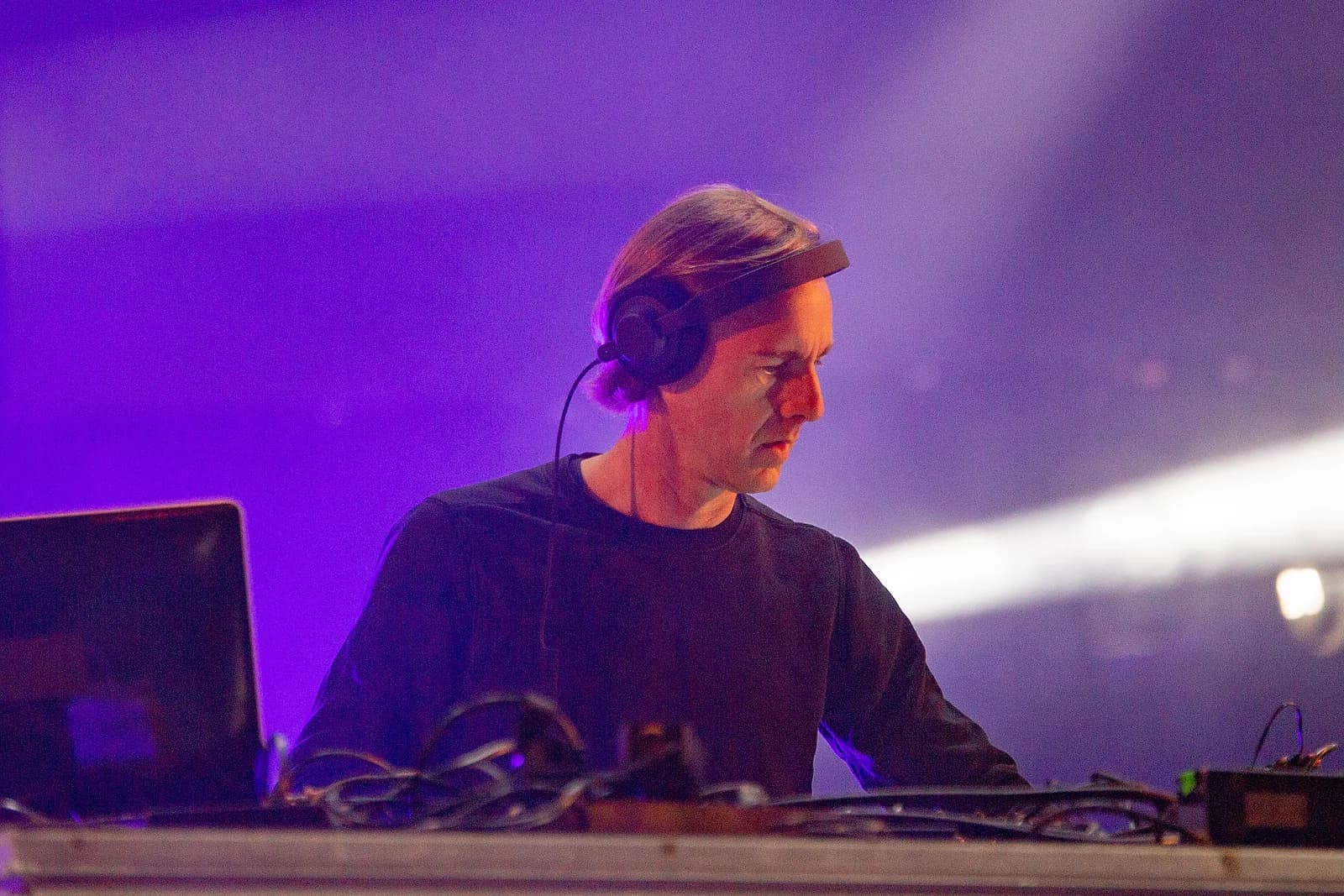
No one did more to carry minimal techno out of Detroit and Germany than Richie Hawtin, part of the same second wave as Hood, known for DJ sets built as much around Ableton Live and a custom mixer as around records. He's also one of the few figures in the genre's history who has actually paid attention to Southeast Asia. In 2023 he flew to Bangkok and handpicked two More Rice Records artists, Elaheh and Sarayu, to perform alongside him for Prada's Extends series. He later told Mixmag Asia that the city "resonates with a unique frequency." When Hawtin left WME this September after fifteen years for Dixon's independent TS Agency, as Loopliner reported at the time, he framed the move around the same independent-scene philosophy he'd already put into practice here.
That's a famous name's word for it. The actual weekly proof is smaller, cheaper, and on a different side of town.
Bangkok's Culture Cafe Is Where You Actually Hear It
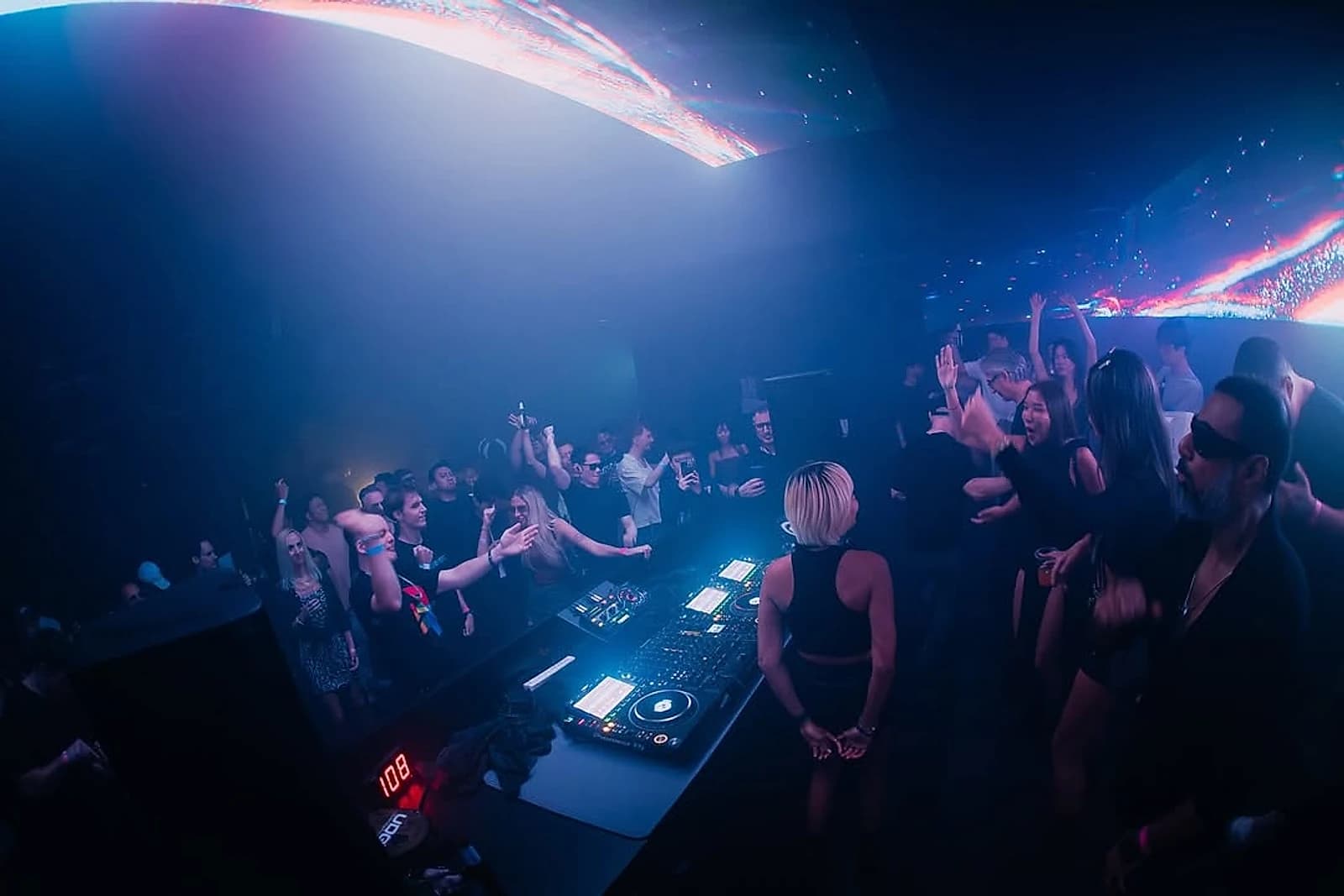
Culture Cafe, on Samsen Road in the Phra Nakhon district, runs the region's one dedicated recurring minimal techno night: the Bangkok Vinyl Minimal & Techno Sessions, hosted by the Bangkok Techno Collective with MOODYBOOM, a Nonthaburi-born DJ and founder of the Highwire crew, among its regulars. It's vinyl only, free entry.
MOODYBOOM's own bookings outside Culture Cafe, at Potato Head Bali and Zodiac Jakarta, are the closest thing the wider region has to a second home for the sound, though neither venue runs it as its own dedicated night the way Culture Cafe does.
The Rest of the Region Treats It as a Texture, Not a Night
Outside Bangkok, minimal techno shows up as an ingredient in bigger bookings rather than a genre with its own room. When Dekmantel made its Southeast Asia debut at Potato Head Bali in September with Avalon Emerson closing, the lineup leaned house, techno and disco rather than minimal specifically. Worth noting anyway: a 2015 Dekmantel Boiler Room broadcast from Amsterdam put Hood's Floorplan alias last on the lineup. The lineage runs through the region even where the label on the night doesn't say so.
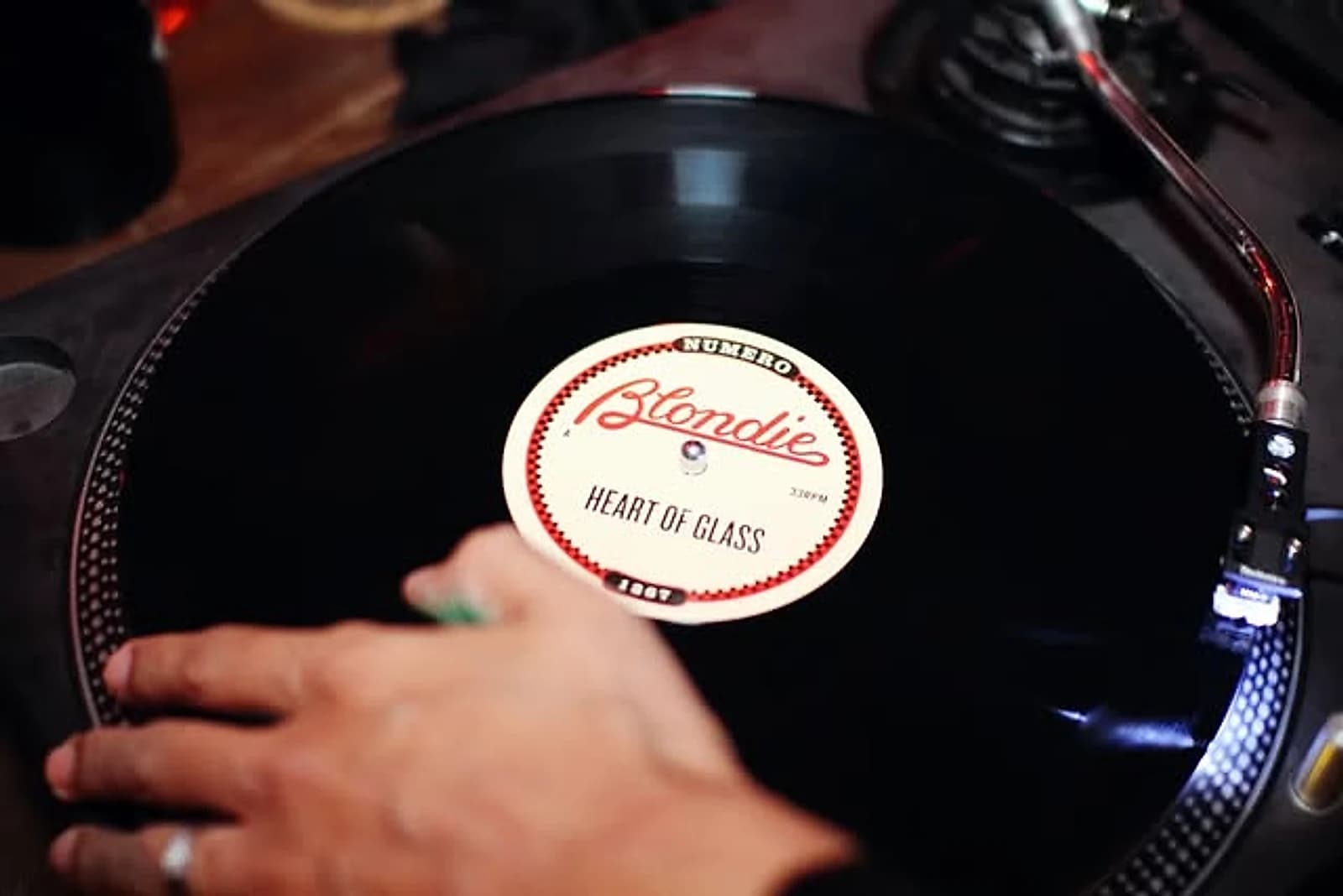
Jakarta's Zodiac and Manila's OTO both keep real turntables bolted in alongside their CDJs, the same vinyl infrastructure Loopliner found reporting on the region's turntable culture. If you want the genre played straight, on vinyl, as the whole point of the evening rather than a detour inside someone else's set, Bangkok is currently it.
FAQ
What's the difference between minimal techno and regular techno?
Regular techno tends to build in layers toward a peak. Minimal techno strips elements away instead, running a kick, a bassline and little else on repeat for several minutes, trusting the groove rather than a drop to hold the room.
What BPM is minimal techno?
Roughly 125 to 130 beats per minute. Richie Hawtin has named 128 BPM as his own preferred tempo for the style.
Who invented minimal techno?
Detroit producers Robert Hood and Daniel Bell are usually credited as the founders in the early 1990s, with Hood's 1994 album Minimal Nation on Jeff Mills' Axis Records treated as the genre's founding document.
Where can you hear minimal techno in Southeast Asia?
Culture Cafe in Bangkok's Phra Nakhon district runs the region's one dedicated recurring night, the free, vinyl-only Bangkok Vinyl Minimal & Techno Sessions hosted by the Bangkok Techno Collective, with MOODYBOOM of the Highwire crew among its regulars. Elsewhere in the region it mostly turns up as one ingredient inside broader house and techno sets.
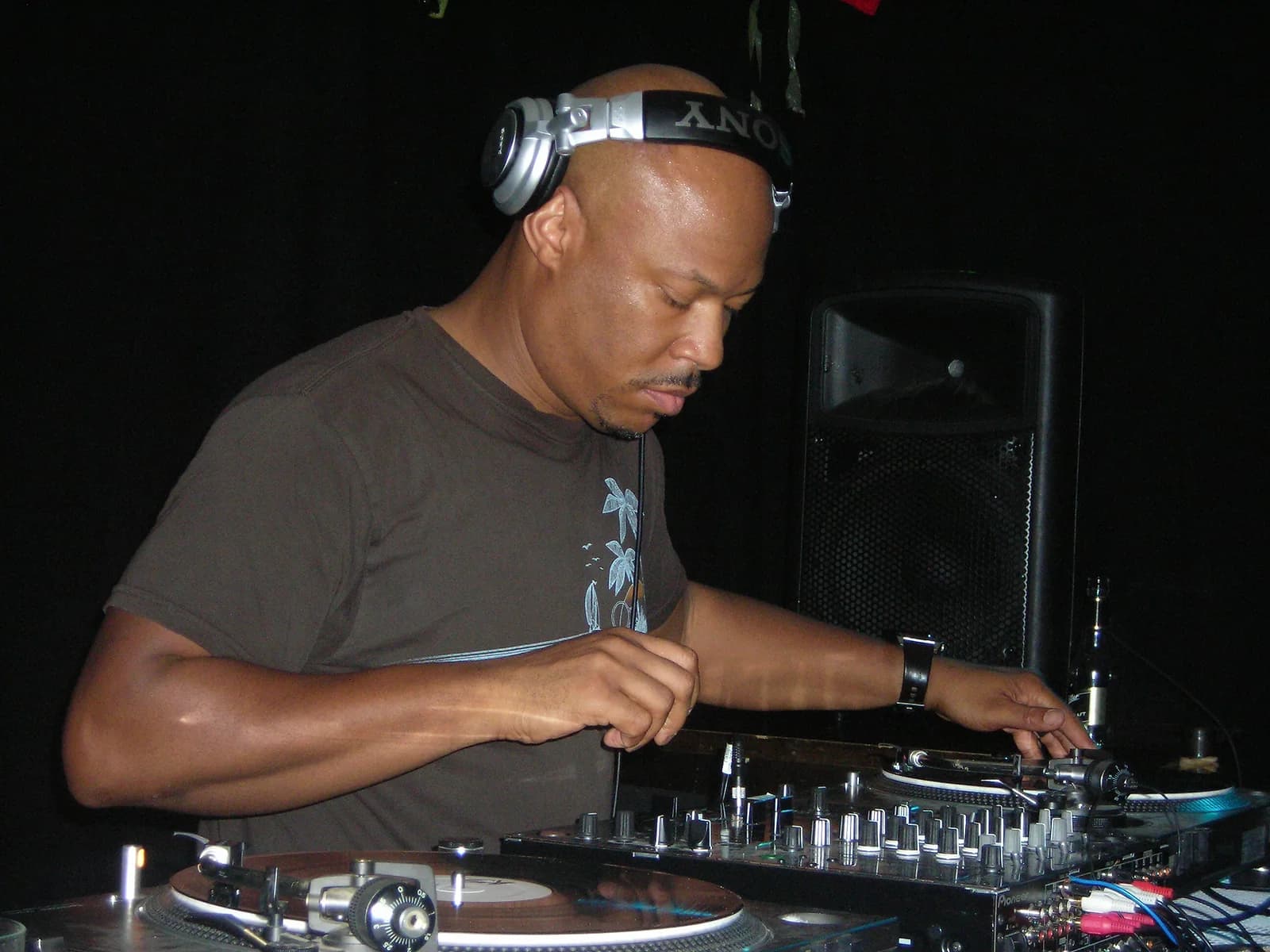
Cover photo: Robert Hood performing in Dublin, 2009. Ventolin, CC BY-SA 3.0, via Wikimedia Commons.
Read Next
Stay in the loop
Asian electronic music, weekly