
Manila vs Jakarta: Boiler Room Picked One City. DWP Built the Other.
Boiler Room has broadcast from Manila's underground twice. It has never officially broadcast from Jakarta. Jakarta, meanwhile, built the region's biggest dance festival. Two capitals, two very different bets on what a scene is for.
Boiler Room has an official city page for Jakarta. Click through and it loads a carousel of placeholder events that never resolve into an actual broadcast. Manila's page, by contrast, holds two real ones: Black Market in 2017 and Manila Community Radio in April 2023, a lineup of Showtime Official Club, Hideki Ito b2b T33G33, obese.dogma777 x Pikunin, Libya Montes and DJ Love, all still streaming. Jakarta has never had that kind of night. What it has instead is Djakarta Warehouse Project, a three-day festival whose promoters put capacity at up to 100,000 people across a single December weekend. Manila has nothing on that scale, and doesn't seem to want it.
The Case for Jakarta: Scale
DWP started life in 2008 as a nightclub event before rebranding into a full festival in 2010, and it has since become the biggest dance music festival in Indonesia and one of the largest in Southeast Asia. This December's edition, running December 11 to 13, has already booked Axwell Λ Ingrosso and Dimitri Vegas alongside a wave of new names, and organizers routinely report attendance in the tens of thousands per night. That's a different order of business than anything Manila runs. No Philippine promoter is filling a stadium-sized site three nights running.
Jakarta's clubs match that ambition at street level, too. The SCBD district houses Le Cirque, built by the SwillFam Group around immersive production rather than table service, and Colosseum Club, a literal Roman amphitheater stage that's more spectacle than most Southeast Asian rooms attempt. And the city's underground isn't small either: Raw Vision Collective threw Jeff Mills a 30th-anniversary show in Jakarta, then turned around and booked Ye. Jakarta, in other words, doesn't choose between mainstream scale and underground credibility. It funds both.
The Case for Manila: Depth
Manila doesn't have a DWP. What it has is a decade of people building infrastructure nobody paid them to build. Twelve Points Records just marked two years with a compilation, Pathways II. Sama Sama Records dug a lost 1980 Manila jazz record out of obscurity and reissued it. And when the pandemic killed club nights, Manila's response wasn't to wait it out, it was BuwanBuwan, a fully functioning nightclub built inside Minecraft, complete with resident DJs playing live sets through their in-game characters. Its founder now runs Apotheka, a real one, in the real city.

That DIY instinct is what Boiler Room actually broadcasts. Both of its Manila sessions leaned on the city's own community, not imported headliners, for whatever that's worth to a platform built around scouting scenes rather than selling tickets. Add Ezzrei, the Siargao-to-Manila DJ that DJ Mag named one to watch, and Junoy Manalo, who put out a deep house record with no label behind it at all, and the pattern holds: Manila's scene runs on people doing the work themselves, with or without institutional backing.
So Which City Actually Wins?
Wrong question. They're not playing the same game. If you want one night that feels like an event, a festival with pyro and a lineup built to sell tickets internationally, Jakarta is the better bet, and DWP in December is the obvious entry point. If you want to hear where the region's next sound is actually getting made, by people releasing records and building rooms with no festival budget behind them, Manila is the more interesting city to be in on a random Friday. Neither city is doing the other's job badly. They just decided early on what a scene is for, and built toward that.
What doesn't hold up is treating either city as the region's default answer. Bangkok and Singapore get more international press because their clubs chase the DJ Mag rankings that make headlines elsewhere. Manila and Jakarta aren't chasing that list, and the comparison above is exactly why: one built a festival big enough not to need it, the other built a scene too self-sufficient to care.
What's Not On This List
This is a comparison of two scenes, not a ranked club guide, so it leaves out Jakarta's dedicated festivals beyond DWP (Hammersonic, We The Fest, the newer Underblok) and Manila's wider live and hip-hop crossover culture, both of which deserve their own pieces rather than a paragraph here. It also doesn't cover Bali, which is Indonesian but runs on an entirely different, tourist-driven economy that neither Jakarta nor Manila shares.
FAQ
Has Boiler Room ever broadcast from Jakarta?
Not that its own archive shows. Jakarta has a city page on boilerroom.tv, but unlike Manila's page, which holds two documented sessions from 2017 and 2023, it doesn't currently list any completed broadcasts.
How big is Djakarta Warehouse Project?
Organizers put capacity at up to 100,000 people across the three-day event, making it the biggest dance music festival in Indonesia and one of the largest in Southeast Asia. The 2026 edition runs December 11 to 13.
Does Manila have anything on the scale of DWP?
No. Manila's scene is built around clubs, independent labels and DIY spaces rather than a single large-scale festival, which is the central difference this piece is built around.
What is BuwanBuwan / Club Matryoshka?
A nightclub built entirely inside Minecraft during the pandemic, with real Manila DJs playing live sets through in-game characters. Its founder went on to open Apotheka, a physical club in Manila.
Which city should a first-time visitor pick?
For a single big night with international names, Jakarta's DWP in December. For a deeper look at where Southeast Asian house and techno is headed next, Manila's club and label scene rewards a longer stay.
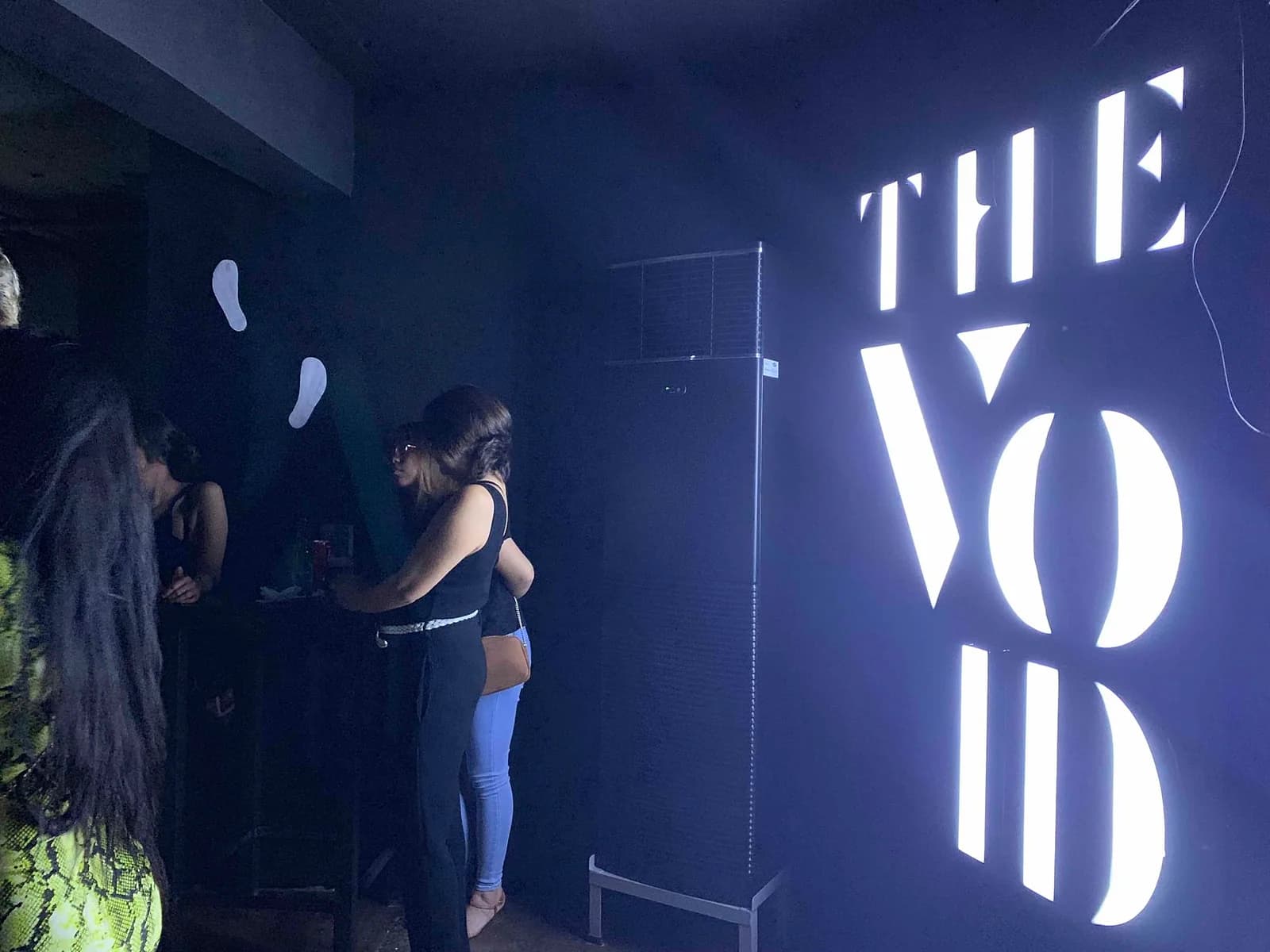
Cover photo: Inside The Void, Poblacion, Manila. Therese Reyes / Coconuts Manila.
Read Next
Beyond White Party Bangkok: Where Southeast Asia's Queer House and Techno Scene Actually Lives
Mustache Closes at 3:30am. Here's Where Southeast Asia's Afterparties Actually Happen.
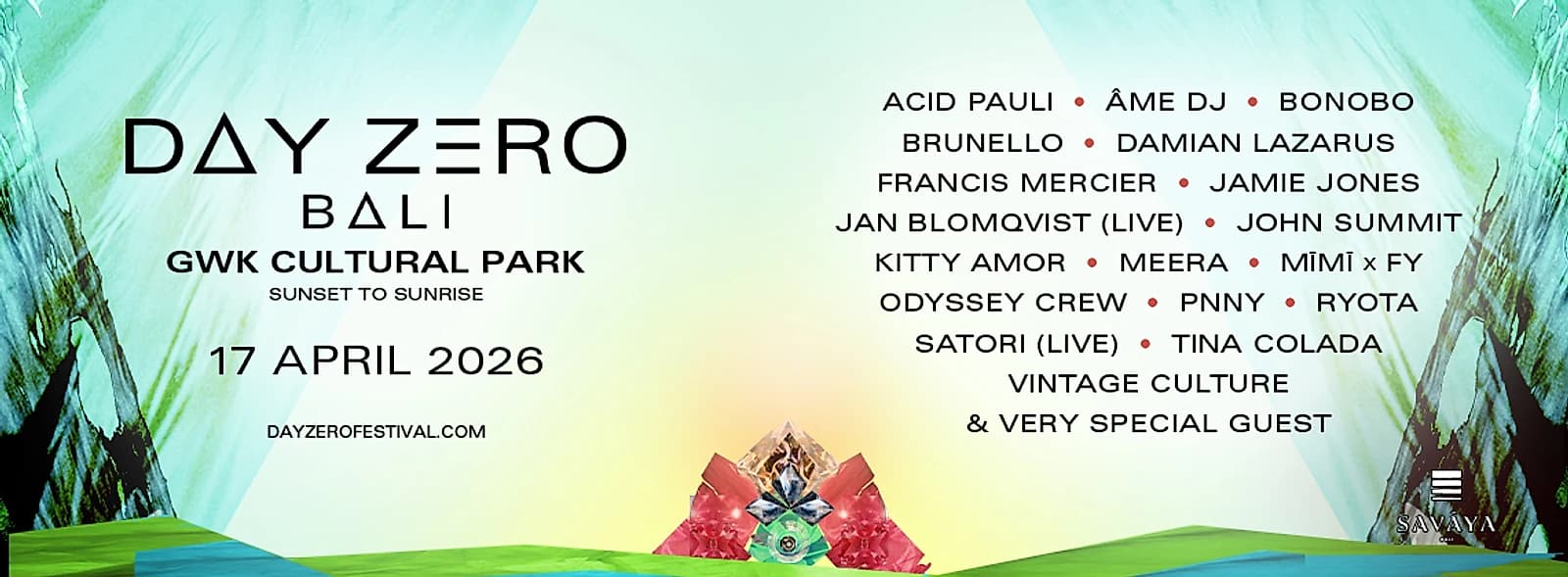
Day Zero Bali 2026: Complete Festival Guide - Lineup, Tickets & Everything You Need
Stay in the loop
Asian electronic music, weekly