What Is an Open-to-Close DJ Set, Explained: Sunju Hargun Wipes His Laptop Clean Before Every One
On a lineup poster, "Open to Close" means one DJ, no support act, the whole night. Thailand's Sunju Hargun has toured under that exact name for years. The format's best-known global name, Lee Burridge, plays Singapore's RASA Space on November 7, 2026.
The Three-Word Phrase on the Poster
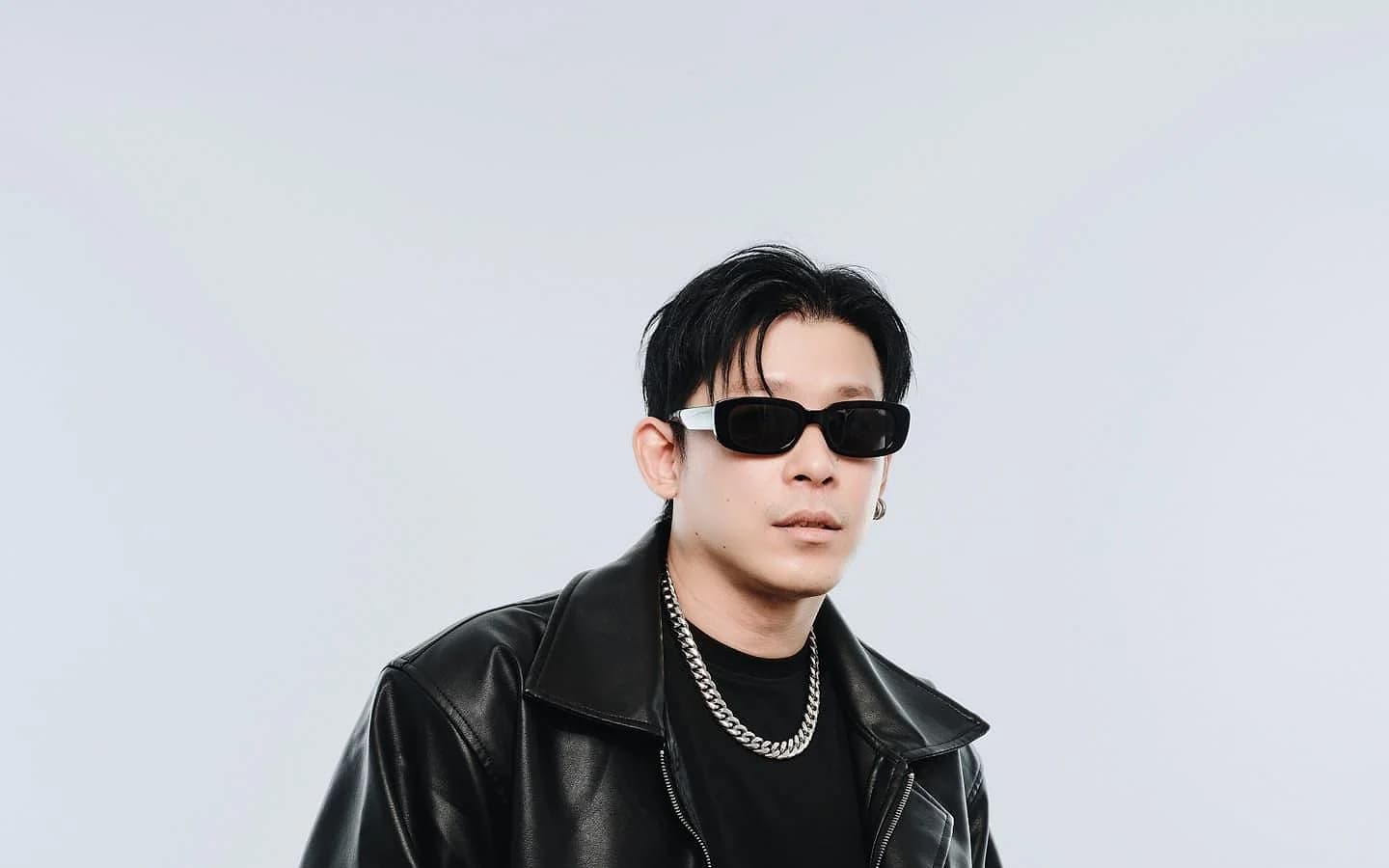
The Bangkok-based DJ Sunju Hargun debuted the format by deleting every track on his laptop and rebuilding his library from zero. He's kept playing marathon sets since, including a 9pm-to-5am run at a sixth-floor Ho Chi Minh City room called The Lighthouse. The night was billed, plainly, as "Open to Close with Sunju Hargun @ The Lighthouse."
That phrase shows up more and more on Southeast Asian lineup posters now, usually in parentheses next to a single name, and it means exactly what it says: one DJ plays from the moment the doors open until the lights come up, with no support act and no handoff. It's worth knowing what you're actually buying a ticket to before you show up expecting a normal club night.
What "Open to Close" Actually Means
A normal club night splits the work into roles. A warm-up DJ sets the tone and keeps the room comfortable while it fills. A headliner takes the peak hours, when the floor is full and the energy is highest. Sometimes a third DJ closes, easing the crowd down or chasing the last dancers into the morning. An open-to-close booking collapses all three jobs into one person's set.
That sounds like more music for the same ticket price, and it is, but it's also a different skill than a 90-minute festival slot. A short set rewards urgency: you play the big record in the first twenty minutes because you might not get another chance. An open-to-close set punishes that instinct. DJs who do it well describe the opposite discipline, patience: you can feel the record sitting in your bag and you wait, sometimes an hour, because dropping it too early leaves nowhere to go for the next six.
Why a Club Books This Instead of a Lineup
It's also a statement about trust. Promoters book open-to-close sets when they want one artist's taste to define the whole night rather than stitch three different ones together, and they only ask DJs who've already proven they can read a room long enough to tell its whole story: the slow build, the peak, the comedown, all from the same record bag. For the DJ, it reads less like a filler slot than a credential. Not every artist gets asked to do it, and fewer still get asked back for a second one.
Thailand's Own Open-to-Close Artist
Sunju Hargun didn't just play an open-to-close set that night in Ho Chi Minh City. He built a touring concept around the phrase and named it exactly that, backed locally by the promoter Crisis Saigon. Doors opened at 9pm, entry was free before 10, and the door fee after that was 100,000 VND. He played until 5am.
He's kept doing it. In January 2025, more than six years after that Saigon show, he turned up at Satori [viii] at Indiranagar Social in Bangalore, India, again billed for "an open-to-close set of deep, psychedelic sounds." The format has outlasted whatever trend cycle might have produced it, which says more about how seriously an artist like him takes it than about how long he's been touring. Read Loopliner's profile of Sunju Hargun for more on how he built that reputation.
The Format's Best-Known Name Is a Regular in Singapore
Outside the region, no one is more associated with the open-to-close booking than Lee Burridge, founder of the global party series All Day I Dream. The format is built into the brand's own history: Burridge played an eight-hour open-to-close set at Industry City in Brooklyn in September 2026, a booking explicitly framed as a return to the extended format tied to the series' earliest New York editions.
Burridge returns to Singapore to play the city's RASA Space on November 7, 2026, a show billed as his comeback to the city. Not every Burridge date runs the full open-to-close format, but booking the DJ most identified with the eight-hour set is a signal in itself of how far the format's reputation travels. More on that show here.
How to Spot One, and What to Actually Expect
Look for the phrase itself, or the abbreviation "OTC", in parentheses next to a single name on the poster. If there's no second or third name underneath it, that's your confirmation: nobody is coming to relieve this DJ.
Plan around the whole night, not a highlight. If the club opens at 10pm and the set is billed open-to-close, the room at 11pm will sound nothing like the room at 3am, and showing up at 1am to catch "the good part" usually means walking into the middle of a story that started two hours earlier. Door policies and last-entry cutoffs tend to run stricter on these nights too, since promoters don't want a half-empty room during the DJ's careful first hour. If you can only make part of the night, earlier is almost always the better call: you get the build, and you can leave once the peak has passed rather than wonder what you missed at the start.
One more thing worth knowing: an open-to-close set is a format, not a guarantee that the night will be more underground or better than a shared lineup. It works as well for a deep house selector as for anyone else. What it reliably buys you is one person's taste held up for six to eight hours without a second opinion in the booth. Whether that's worth your night is a judgment about the DJ, not the format.
FAQ
What does "open to close" mean on a DJ lineup?
It means one DJ plays the entire night alone, from when the venue opens until it closes, without a warm-up act or a separate closing DJ taking over.
Is "OTC" the same thing as "open to close"?
Yes. "OTC" is shorthand for the same open-to-close booking.
How long is a typical open-to-close set?
It depends on the venue's hours, but regional examples run six to nine hours. Sunju Hargun's Saigon set at The Lighthouse ran from 9pm to 5am. Lee Burridge's 2026 Brooklyn set for All Day I Dream ran eight hours.
Why do promoters book open-to-close sets instead of a full lineup?
They want one artist's taste to carry the whole night's arc, from the slow build to the peak to the comedown, rather than splitting that story across several DJs with different styles.
Does an open-to-close booking mean a better night out?
Not automatically. It's a format, not a guarantee of quality, and it works across genres. What it reliably offers is one DJ's judgment held for the whole night without a second opinion in the booth.
Cover photo: Peter Drier, CC BY 2.0, via Wikimedia Commons.
Read Next
What Is a DJ Residency, Explained: Zouk Singapore's Ghetto Has Held His Since 2010