Sara Landry played Kuala Lumpur and Singapore back to back in September. BLAK Arena's first Kuala Lumpur night alone drew 5,500 people. The genre behind Southeast Asia's hardest booking streak of the year, and what's actually driving it.
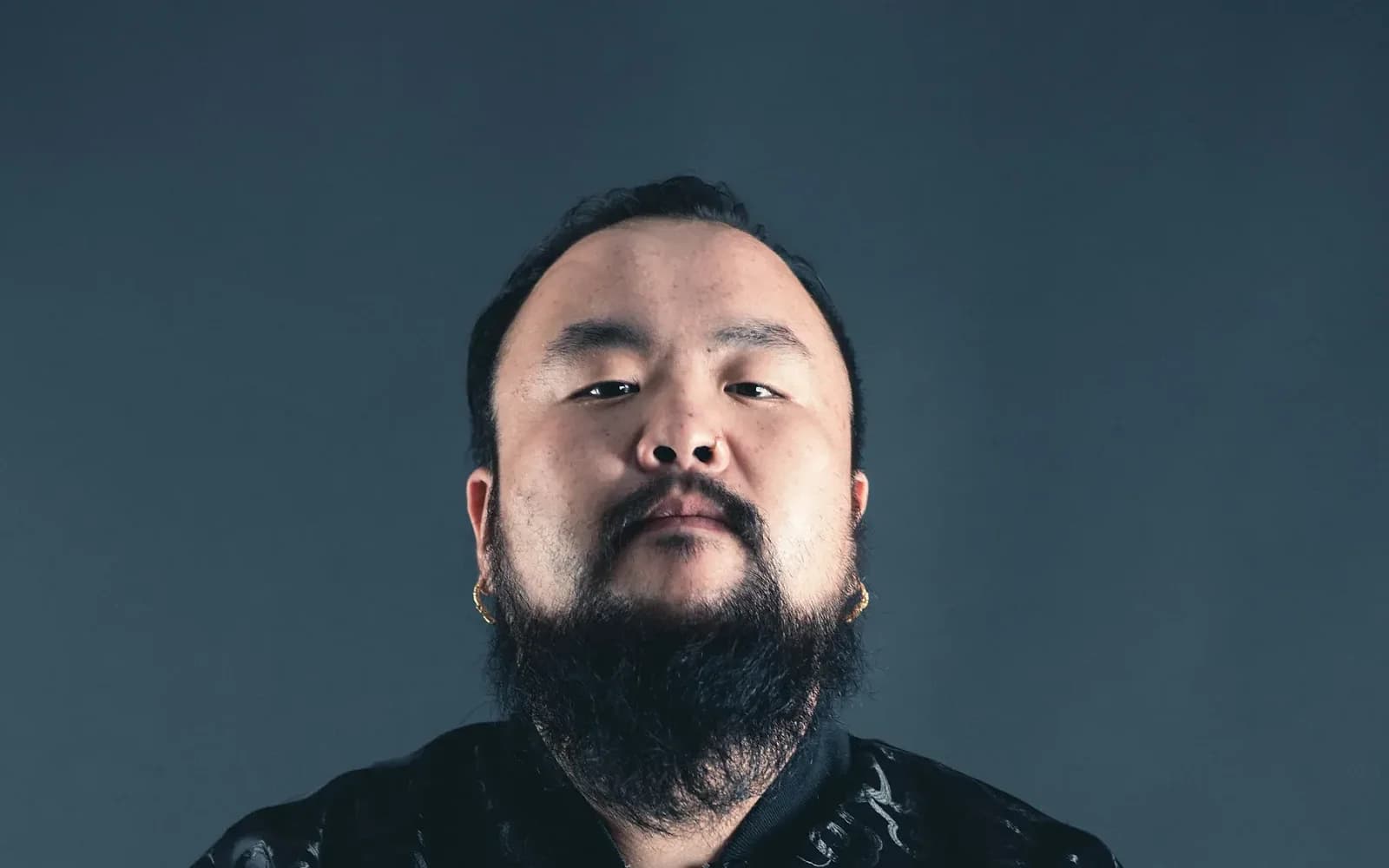
On October 3, Kuala Lumpur's XOX Arena handed over seven hours, from five in the afternoon until midnight, to a single sound: no house warm-up, no crossover headliner, just the Italian duo 999999999 running a hardware-only live rig into Fatima Hajji's tribal-leaning techno close. It was the second time in less than a year a Malaysian promoter had built an entire arena night around a genre most clubgoers here only started hearing a name for recently: hard techno. Nine days before that, the genre's biggest current star played Kuala Lumpur on a Friday and Singapore on a Saturday, two countries, one weekend, neither date a warm-up for the other.
What Hard Techno Actually Is
Hard techno sits at the harder, faster end of the techno spectrum, built to hit harder and faster than most club techno. Tempo alone doesn't define it, though. What separates it from the techno filling most festival main stages is the palette: distorted kicks, industrial textures, alarm-like stabs and acid lines stacked over a four-to-the-floor pulse that doesn't let up for an hour at a time. Sara Landry, the genre's most visible current ambassador, described her own sound to Ableton's blog as music built for "darkened clubs and nocturnal festival stages," running on "pile-driving, four-to-the-floor kick drums." For most of its life, the sound stayed in warehouse basements and dedicated underground nights, not because nobody wanted it bigger but because it was never built to be comfortable.
How One DJ Took It Mainstream
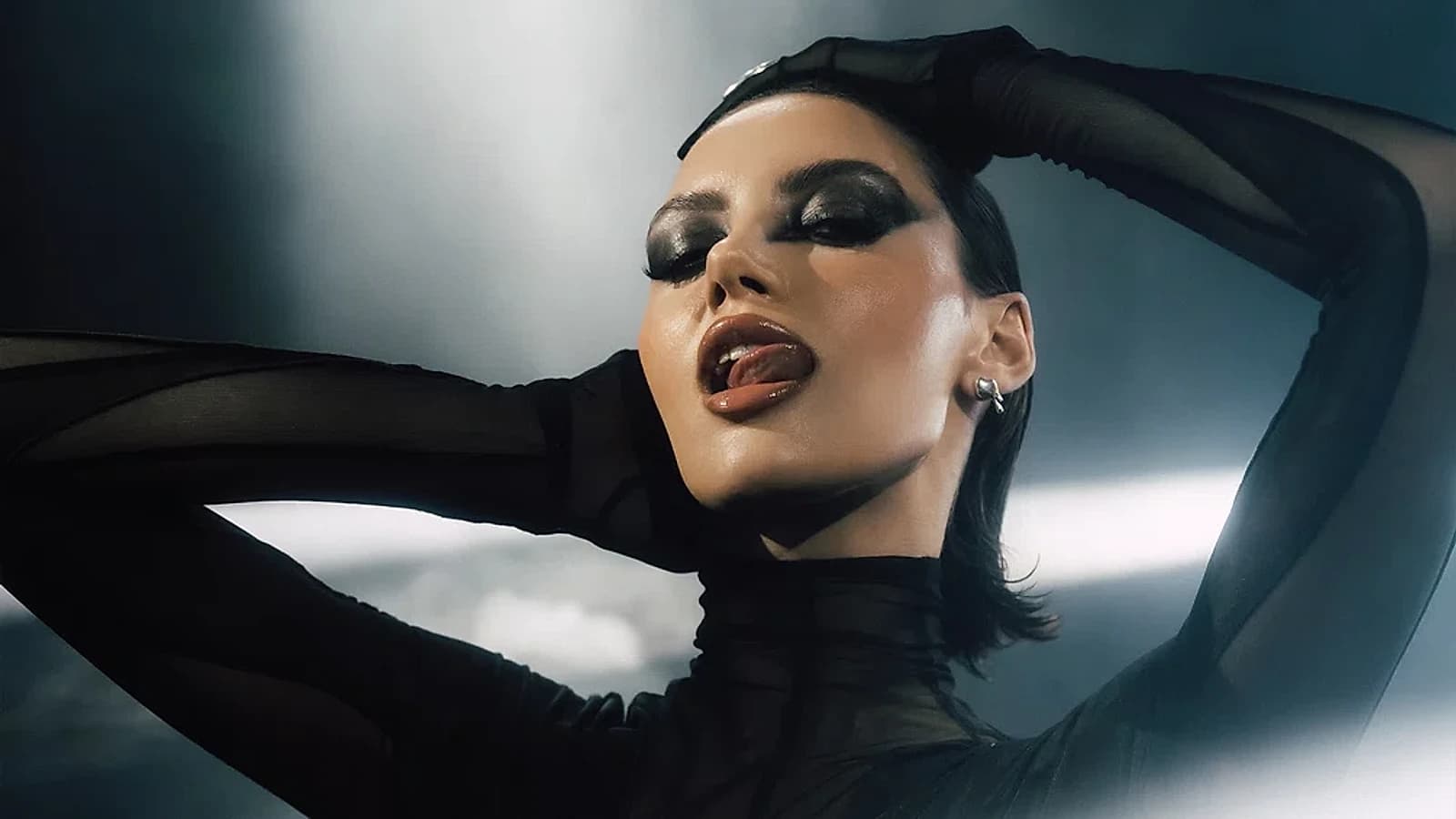
Sara Landry didn't invent hard techno, but she's done more than anyone touring right now to drag it out of the basement. Her Boiler Room set went viral in 2023, a multi-million-view moment that turned a niche style into something a casual electronic music fan had actually seen. In 2024 she became the first hard techno DJ to play Tomorrowland's Main Stage, a slot that had gone almost exclusively to trance and big-room names for years, and released her debut album, Spiritual Driveby. She runs her own label, Hekate Records, out of Amsterdam. On October 10, 2026, she headlined Red Rocks Amphitheatre in Colorado for the first time, promoted with Insomniac's Factory 93, a booking that doesn't happen for artists still on the way up.
Kuala Lumpur Got Her Two Nights Running
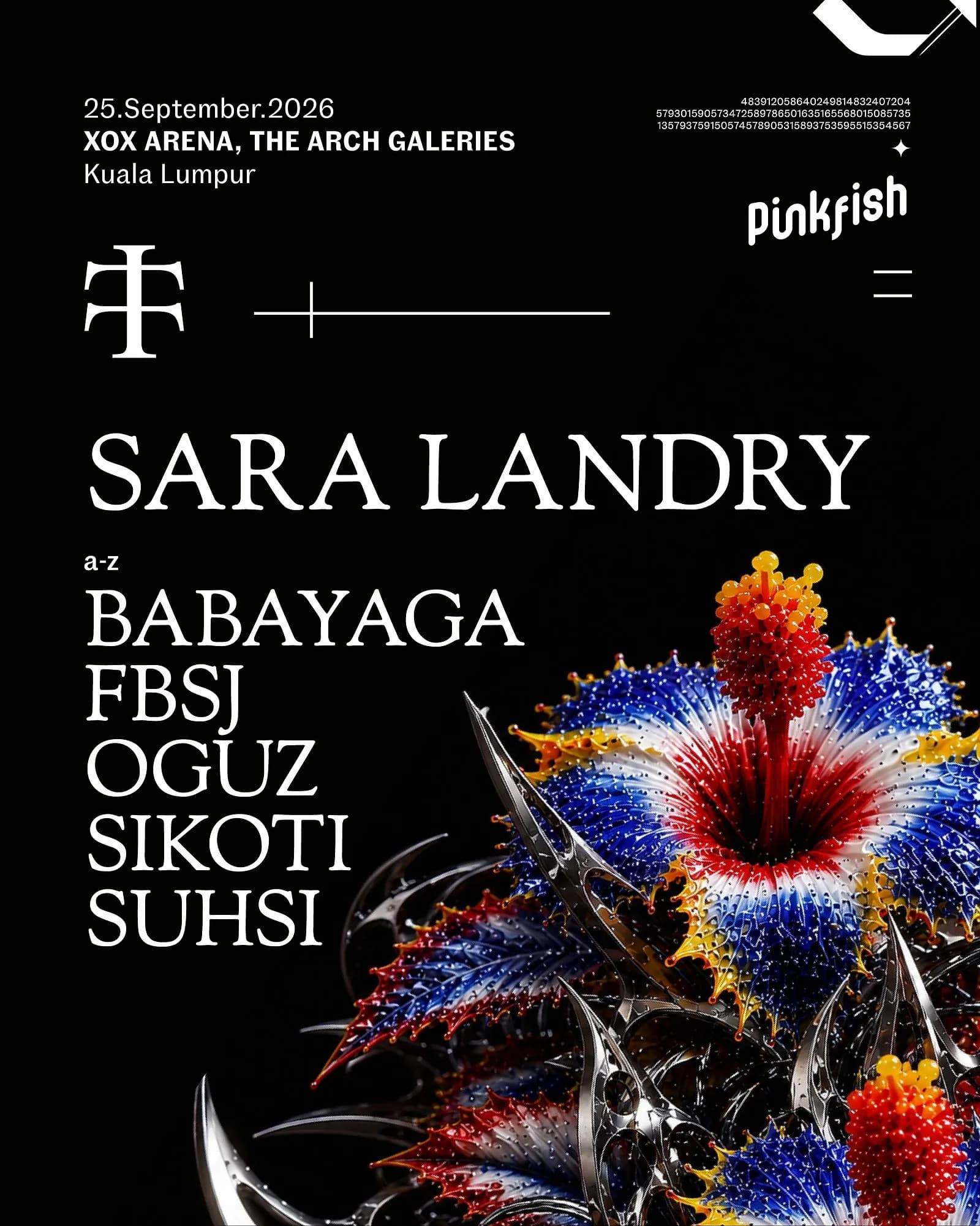
On Friday, September 25, Landry headlined TELETECH's first-ever Malaysia show at XOX Arena, promoted by Pinkfish Festival, which had previously booked her for a New Year's countdown set at Sunway Lagoon. This was different: a dedicated hard techno night built around a single headliner, with general admission running from RM218 after an RM188 early bird tier sold out before local support was even confirmed. The undercard was mostly Malaysian, acts who'd already spent the year grinding out hard techno and rawstyle nights at Over & Above, Volt and Red Warehouse to crowds in the low hundreds. Sharing a stage with a headliner this size was the kind of exposure a local DJ doesn't buy.
Twenty-four hours later, Landry was behind the booth again at Marquee Singapore, on a standalone bill the club promoted as an uncompromising hard techno night rather than folding her into an anniversary or crossover lineup. Two capitals, two promoters, one weekend.
BLAK Arena Bets on the Genre, Twice
While Landry was routing between two capitals, Evolution Events Asia was running its own experiment nearby. The promoter launched BLAK, a festival built entirely around hard techno and hardstyle with no crossover acts, on November 21, 2025, at Mega Star Arena, headlined by Germany's Alignment and France's OMAKS. Evolution Events Asia put the attendance at roughly 5,500 people, a sizeable number for a first edition in a market where hard techno shows usually cap out in the low hundreds. The second edition landed on October 3, 2026, moved to XOX Arena at The Arch Galeries, and traded up to 999999999 and Fatima Hajji as co-headliners.
BLAK isn't Evolution Events Asia's only genre bet. The same promoter runs Sanctuary, Malaysia's first home-grown trance festival, alongside Verknipt Malaysia and Transmission Bangkok: trance gets Sanctuary, hard techno and hardstyle get BLAK, each genre its own room, crowd and headliner budget instead of one multi-stage bill.
Singapore and Bangkok Are Catching Up
Marquee Singapore didn't stop at one hard techno date. On October 2, French producer Nico Moreno opened the venue's October calendar, playing a set built on distorted kicks and rave sirens inside a Marina Bay Sands room usually reserved for bottle service and pop remixes. Moreno founded his own label, Insolent Rave, in 2019, and his 2024 debut album has passed 43 million streams; he played Tomorrowland's Main Stage in July 2025. Booking him to open a month that still runs through FISHER, Diplo, Anyma and Martin Garrix reads either as a genuine bet on hard techno's crossover moment or a one-off stunt to get a different crowd through the door once. Either way, the club clearly didn't need to do it.
Bangkok's version is smaller and scrappier. Berlin BKK opened this year on the fifth floor of a Donki discount mall in Ekkamai, running hard techno Friday and Saturday nights, entry 300 to 500 THB, peak hours around 1 to 3 AM, long after the mall downstairs has pulled its shutters. It doesn't publish a resident list or answer press requests, but the sound on the system is specifically hard techno, not the broader techno or house filling most of the city's bigger rooms.
Why Southeast Asia, Why Now
Hard techno hasn't replaced house or commercial EDM as the region's default sound, and nothing here suggests it will soon. The shift is in how the genre gets booked. A year ago, hard techno in Southeast Asia meant a stray festival set or a handful of local nights capped at a few hundred people. In five weeks this fall, it booked two separate headline club nights in two capitals on back-to-back nights, built on a 5,500-capacity arena run the same promoter had already pulled off the previous November, and talked a Marina Bay Sands venue built for bottle service into opening its calendar with it. Promoters are flying in genre specialists on their own money for dedicated nights now, not slotting them in as one name among many on a festival poster. Whether that becomes permanent or settles back into a few arena nights a year is the question the region's promoters are testing, one booking at a time.
FAQ
What is hard techno?
Hard techno is a faster, heavier subgenre of techno built on distorted kicks, industrial textures and alarm-like stabs over a relentless four-to-the-floor pulse. It generally runs noticeably faster and harder than standard techno, trading hypnotic repetition for in-your-face intensity.
How is hard techno different from regular techno?
Mostly in palette and intensity rather than tempo alone. Standard techno aims for a cleaner, more hypnotic sound suited to long festival sets, while hard techno leans into distortion and a more industrial production style.
Who are hard techno's biggest artists right now?
Sara Landry, who played Tomorrowland's Main Stage, headlined Red Rocks Amphitheatre and founded her own label, Hekate Records, is the genre's most visible global face. Italian hardware-live duo 999999999 and French producer Nico Moreno are among the other names drawing the biggest crowds right now, including in Southeast Asia this past month.
Has hard techno actually reached Southeast Asia?
Yes, recently. In September and October 2026, Sara Landry headlined back-to-back dedicated hard techno nights in Kuala Lumpur and Singapore, Evolution Events Asia's BLAK festival built on the 5,500 people its first Kuala Lumpur edition drew, and Nico Moreno opened Marquee Singapore's October calendar.
Where can you hear hard techno in Southeast Asia?
Kuala Lumpur has the region's most developed scene, with weekly nights at venues like Over & Above, Volt and Red Warehouse alongside bigger bookings like BLAK and TELETECH. Bangkok's Berlin BKK, on the fifth floor of a Donki Mall in Ekkamai, runs it Friday and Saturday nights.
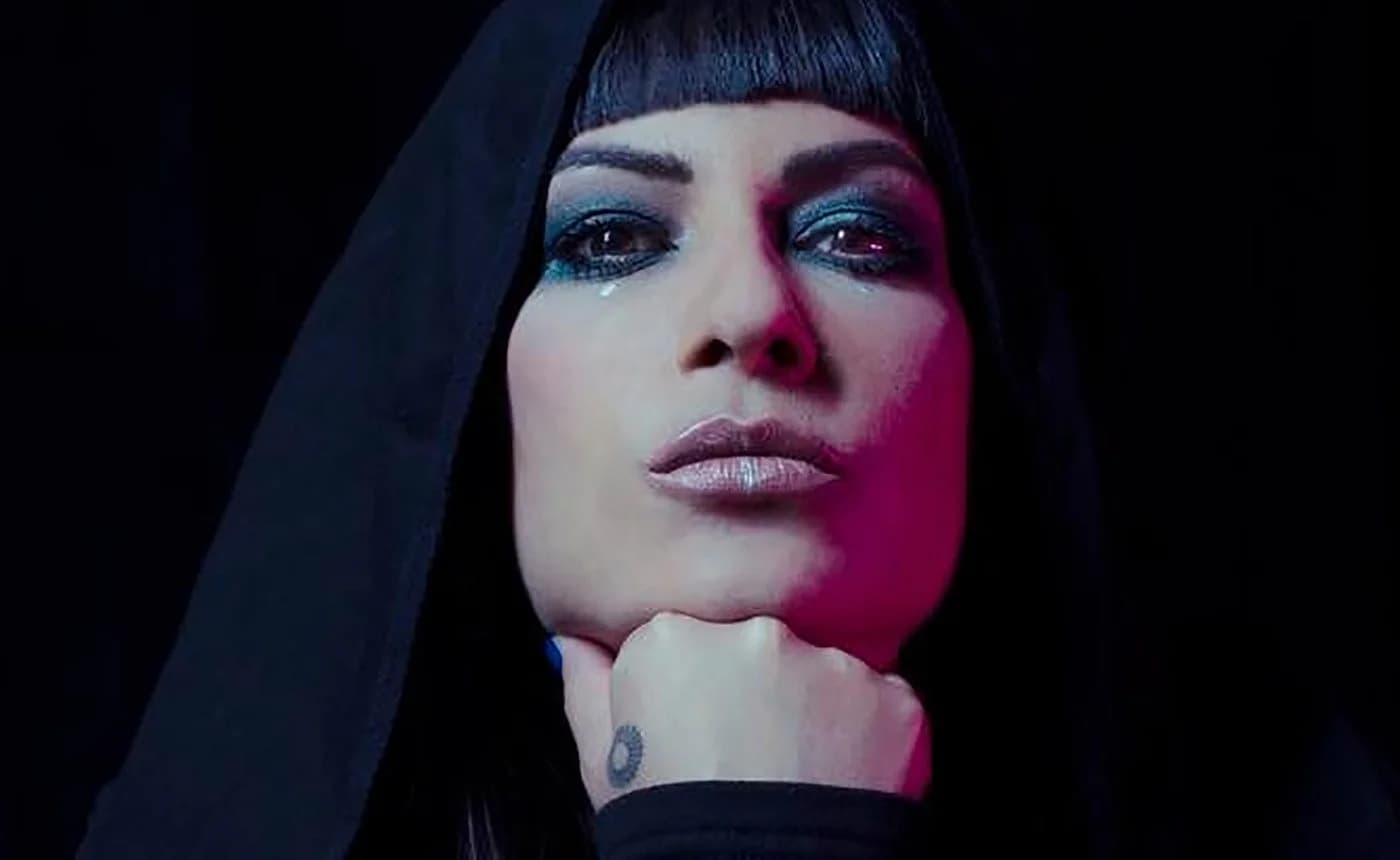
Cover photo: Fatima Hajji, press photo via Insomniac.
Next nights in Kuala Lumpur
- Sun 29 Nov Kuala LumpurNice Up The Dance Vol. 1Else
- Fri 4 Dec Kuala LumpurAbove & Beyond PRESENTS ANJUNABEATS WAREHOUSE - KUALA LUMPUR 2026The XOX Arena, Kuala Lumpur
- Fri 4 Dec Kuala LumpurOhrwurm presents Wata Igarashi (Dekmantel, JP)Pisco Bar, Kuala Lumpur
- Thu 10 Dec Kuala LumpurDrip KL pres. MassanoDrip KL
- Fri 11 Dec Kuala LumpurWET Sessions feat Rodriguez JrWet Deck at W Hotel