
Savage, Studio Lam and Thugshop: Why Southeast Asia's Clubs Keep Closing
Hanoi's Savage lost its site to a government opera-house project. Bangkok's Studio Lam closed on its own terms. A city-by-city look at why Southeast Asia's most important clubs keep disappearing, and what replaces them.
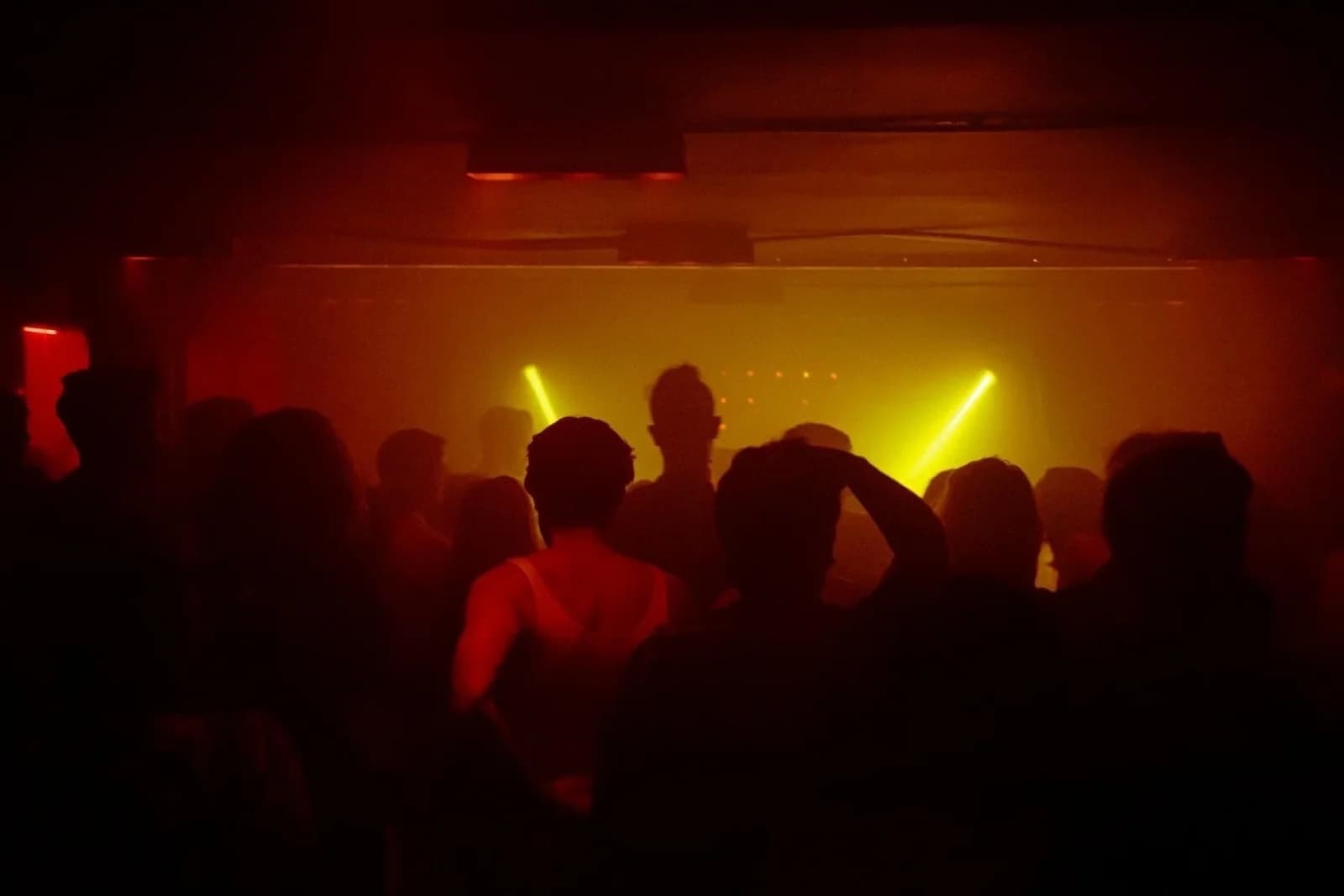
On New Year's Eve, Hanoi's Savage threw itself a funeral. Residents Di Linh, Ouissam and Harry James played through to sunrise inside a converted French villa in Tay Ho, and the midnight countdown was really counting down to a bulldozer: the Vietnamese government wants that stretch of the Quang An Peninsula, backing onto West Lake, for a new opera house and cultural park spanning 44.1 hectares. Savage's bookings and its following were never the issue. The club closed on January 1 because the land underneath it got reassigned.
Zoom out across the region and the same thing keeps happening for different reasons. Over roughly the past year, Bangkok's BEAM, Bangkok's Studio Lam, Singapore's Thugshop-run Headquarters and Ho Chi Minh City's the Observatory have all closed too, each for a cause that has almost nothing to do with the usual suspects: bad bookings, a scene losing interest, or money.
The Government Wants the Land
Savage opened in 2016 and relocated to its French-villa home in Tay Ho in 2020. What followed wasn't a single replacement but three different rooms. Hanoi's underground split three ways: Unmute, a 300-capacity space built inside a working produce market, opened in late 2023 with a four-way sound system; GoodTime Burger, where booker TaoFu turns the counter into a DJ booth on weekends; and HUM Studios, a ground-floor bar, micro-club and production studio from Yanes and A.lien.
The Building Closes Around You
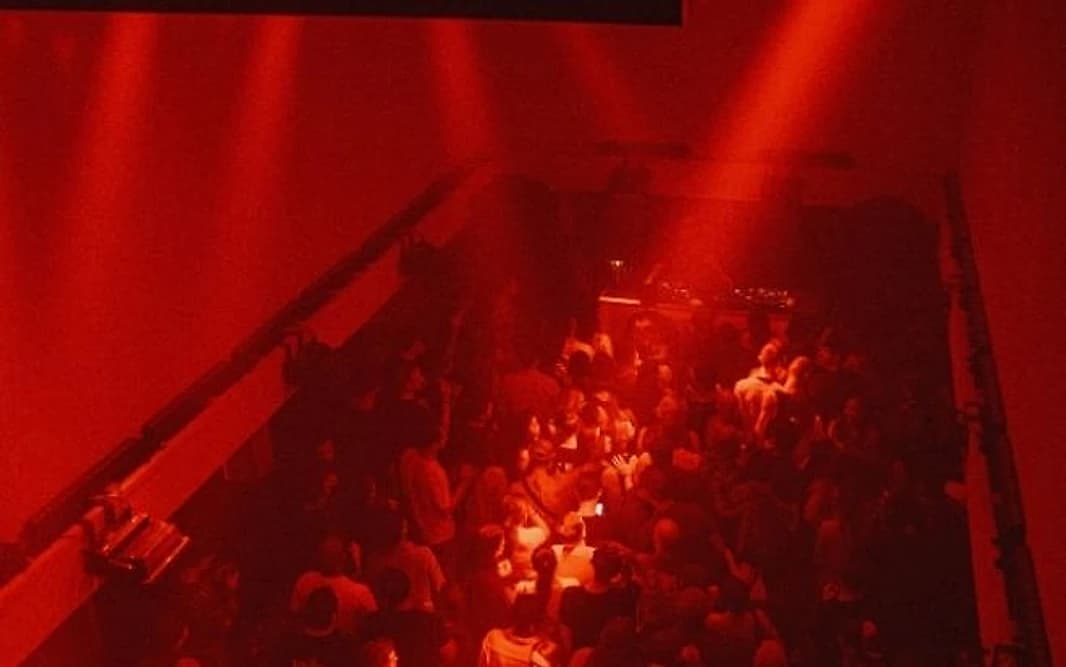
Bangkok's BEAM never had its own closure story. The building did. It opened January 29, 2016, inside the 72 Courtyard compound in Thonglor, built a reputation on house and techno and a dancefloor that visibly vibrated, and ran the region's one real house-and-techno silent disco through its NYLON nights in 2018 and again in 2020. Then the entire compound, restaurants and bars included, announced it was shutting for good. BEAM played a "double-headliner send-off" on October 31, 2025; its sister room BEAMCUBE followed a month later. Management's line at the time, "BEAM is not gone, it's changing shape," still hasn't produced a new address.
Ending It On Your Own Terms
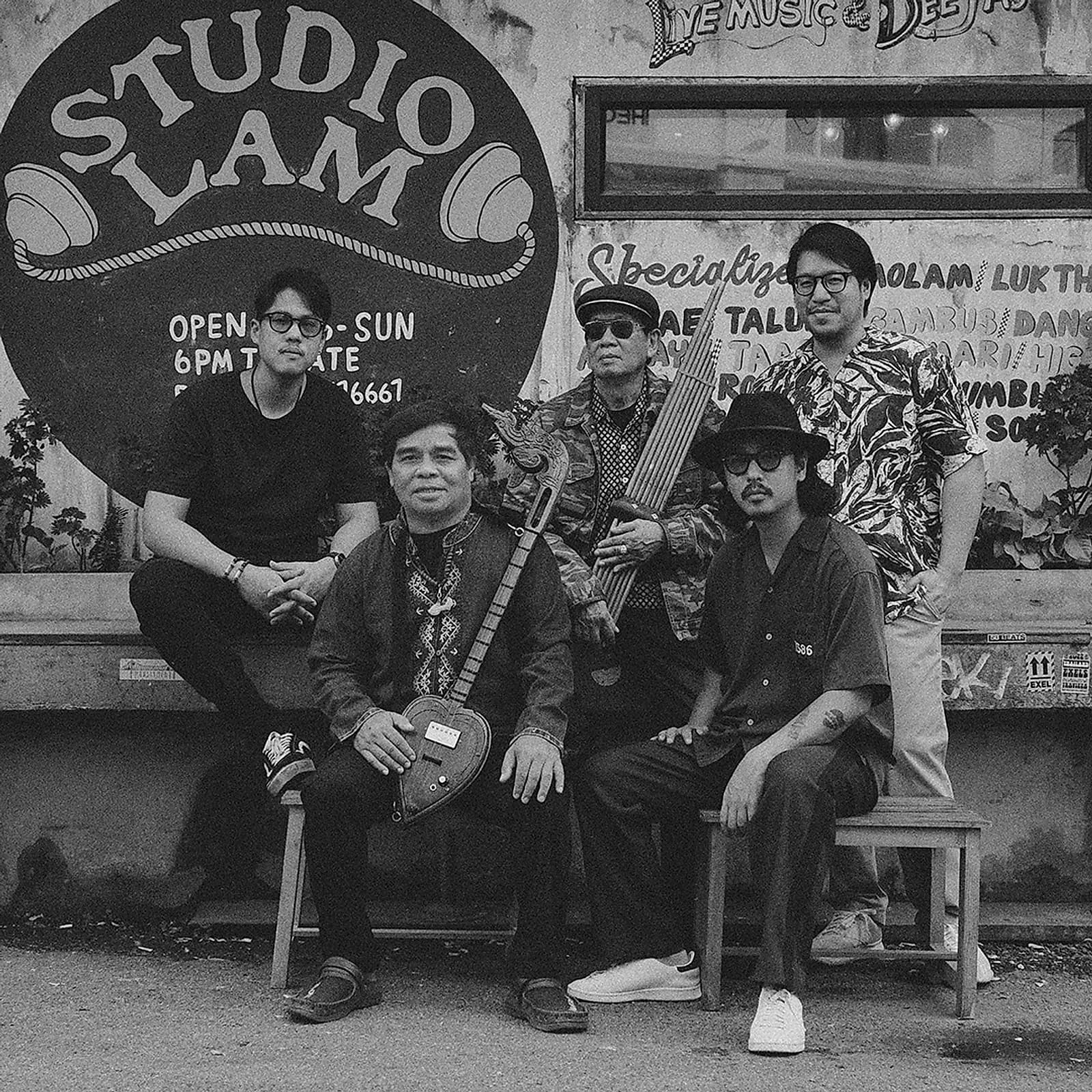
Studio Lam, a shophouse bar off Sukhumvit soi 51, is the one closure here that nobody forced. Owner and DJ Maft Sai shut it down himself on February 28, after 12 years, saying "the landscape has changed, and so have I" and that he wanted to end the chapter "with intention" rather than hold on past the point it still felt right. Zudrangma Records, the crate-digging shop next door that fed Studio Lam's molam and electronic bookings, is still open, and Thailand's wider molam-electronic crossover carried on through smaller labels like Siamese Twins Records and Pissawong Records.
The Ones That Just Vanish
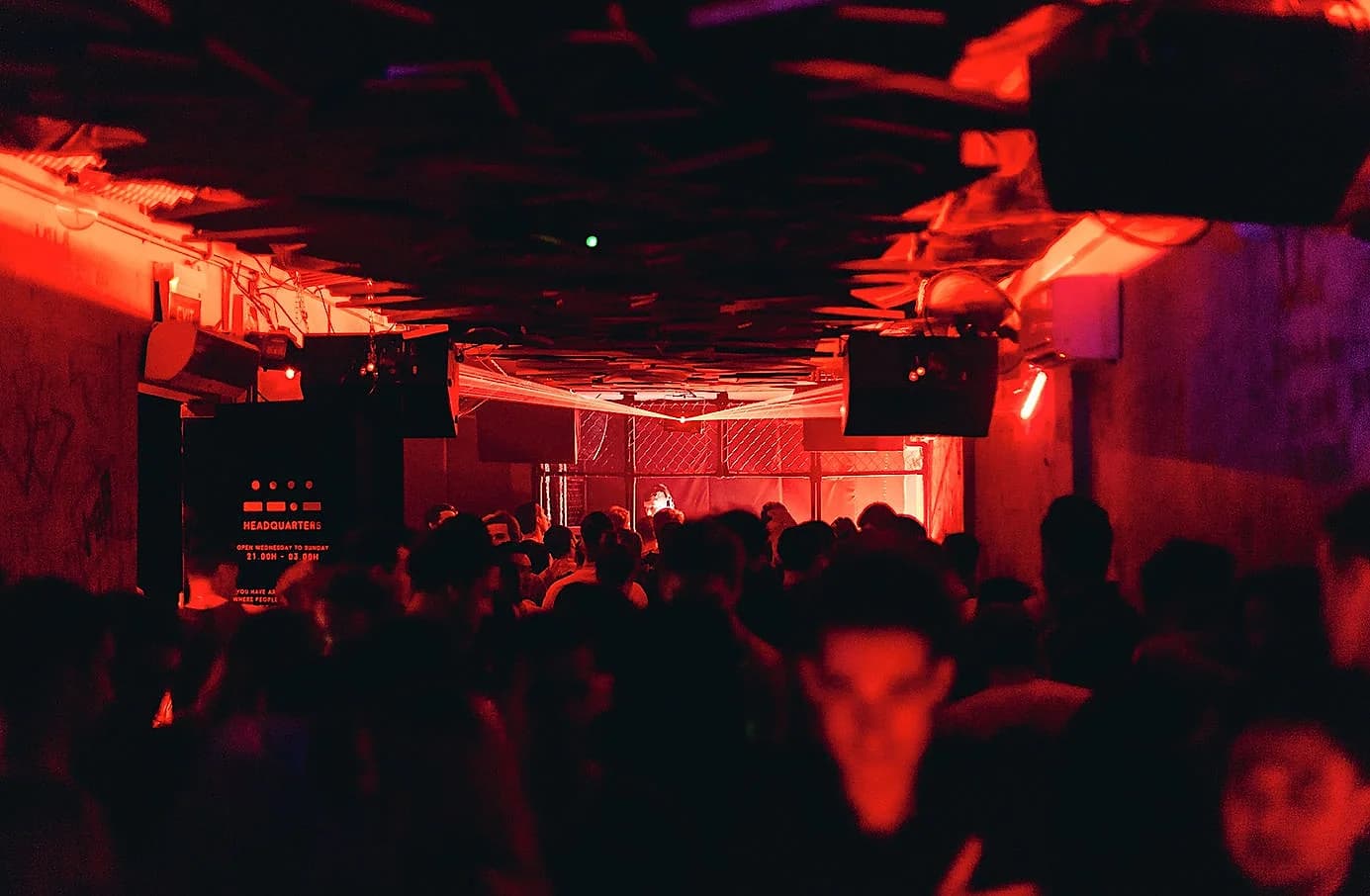
Most closures in the region don't get an explanation at all. Singapore's Thugshop shut its decade-old club, Headquarters, at 66A Boat Quay on May 30, no public reason given. Exit Reality opened seven weeks later right next door at 66B, a 100-capacity room built around a Funktion-One rig and new LED panels. Ho Chi Minh City's the Observatory, on the 10th floor at 85 CMT8, closes at the end of October after nearly 13 years, three relocations, an 18-resident DJ roster and more than 800 guest artists through its booth. Its own closing announcement was a flyer, a red stage light over a packed room, and four words: "THE FINAL MONTH, OCTOBER 2026." No reason given, no plan for the space announced. Kuala Lumpur's after-hours anchor, the Backroom, got even less. It's gone. Nothing has replaced it at the same scale.
What Takes Their Place
Line up these five and the amount of warning a closing club gives its own crowd runs from a full statement (Studio Lam) to four words on a flyer (the Observatory) to nothing documented at all (the Backroom). The scene itself doesn't follow that pattern. Three new venues, Unmute, GoodTime Burger and HUM Studios, opened in Hanoi within the same year Savage lost its lease. Singapore's Boat Quay techno room reopened under a new name within two months. Bangkok's molam-electronic labels kept pressing records after Studio Lam shut its doors. A venue closing in Southeast Asia rarely takes the people who built it down with it.
FAQ
Which Southeast Asian clubs have closed in the past year?
Hanoi's Savage closed January 1; Bangkok's BEAM closed October 31, 2025, with its sister room BEAMCUBE following a month later; Bangkok's Studio Lam closed February 28; Singapore's Thugshop-run Headquarters closed May 30; and Ho Chi Minh City's the Observatory closes at the end of October.
Why did Savage close in Hanoi?
The Vietnamese government reclaimed its site on the Quang An Peninsula for a 44.1-hectare opera house and cultural park, a land decision unrelated to the club's own business.
Did BEAM in Bangkok close because it was struggling?
No reason tied to BEAM specifically was given. Its closure came because the entire 72 Courtyard compound that housed it, restaurants and bars included, shut down around it.
What replaced Singapore's Headquarters?
Exit Reality opened seven weeks later next door at 66B Boat Quay, built around a 100-capacity room with a Funktion-One sound system.
Is Southeast Asia's club scene actually shrinking?
Not obviously. Three new venues opened in Hanoi the same year Savage closed, and Bangkok's molam-electronic labels kept releasing records after Studio Lam shut its doors. Individual venues keep closing. The scenes around them keep rebuilding somewhere else.
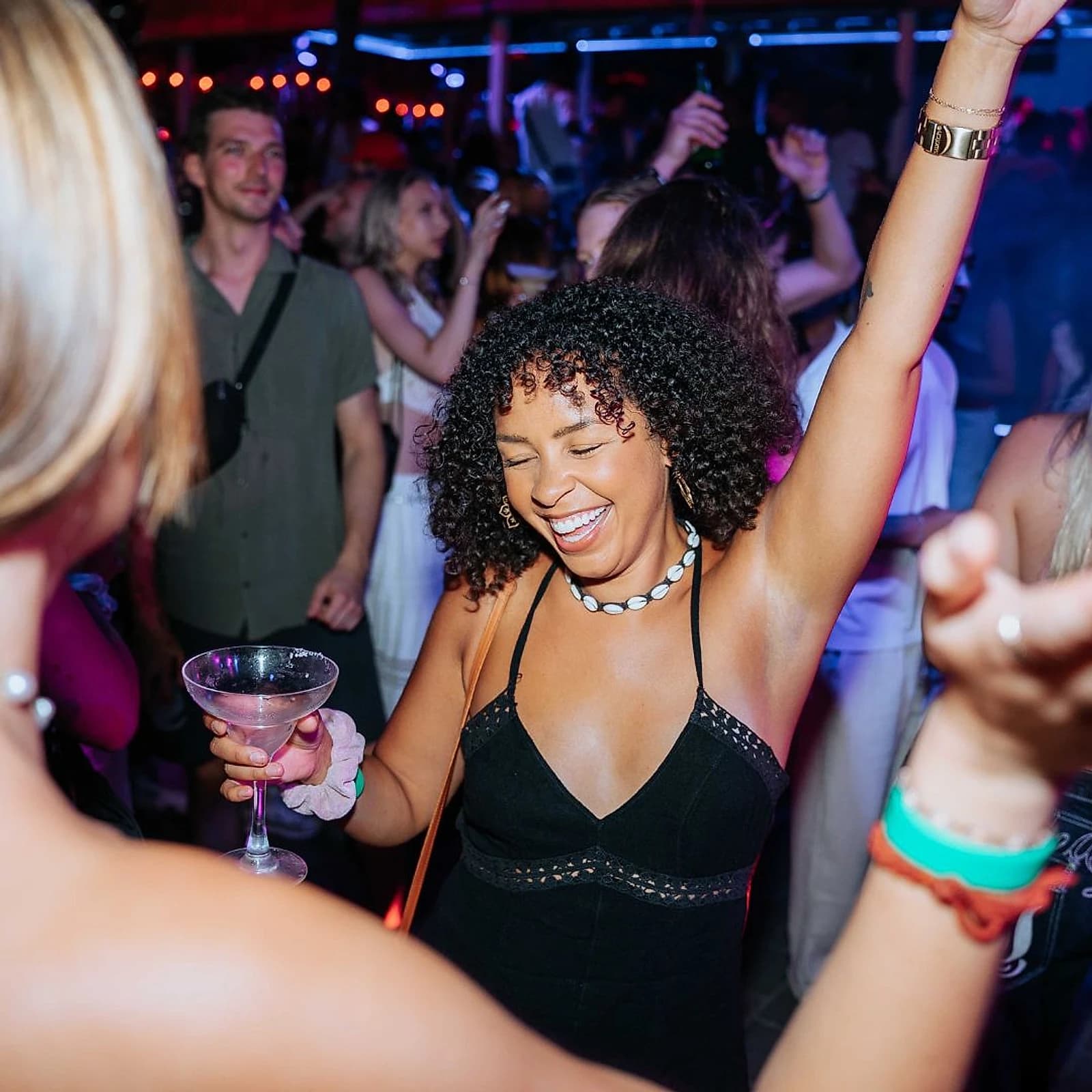
Cover photo: The Observatory, via Mixmag Asia.
Read Next

Stay in the loop
Asian electronic music, weekly