
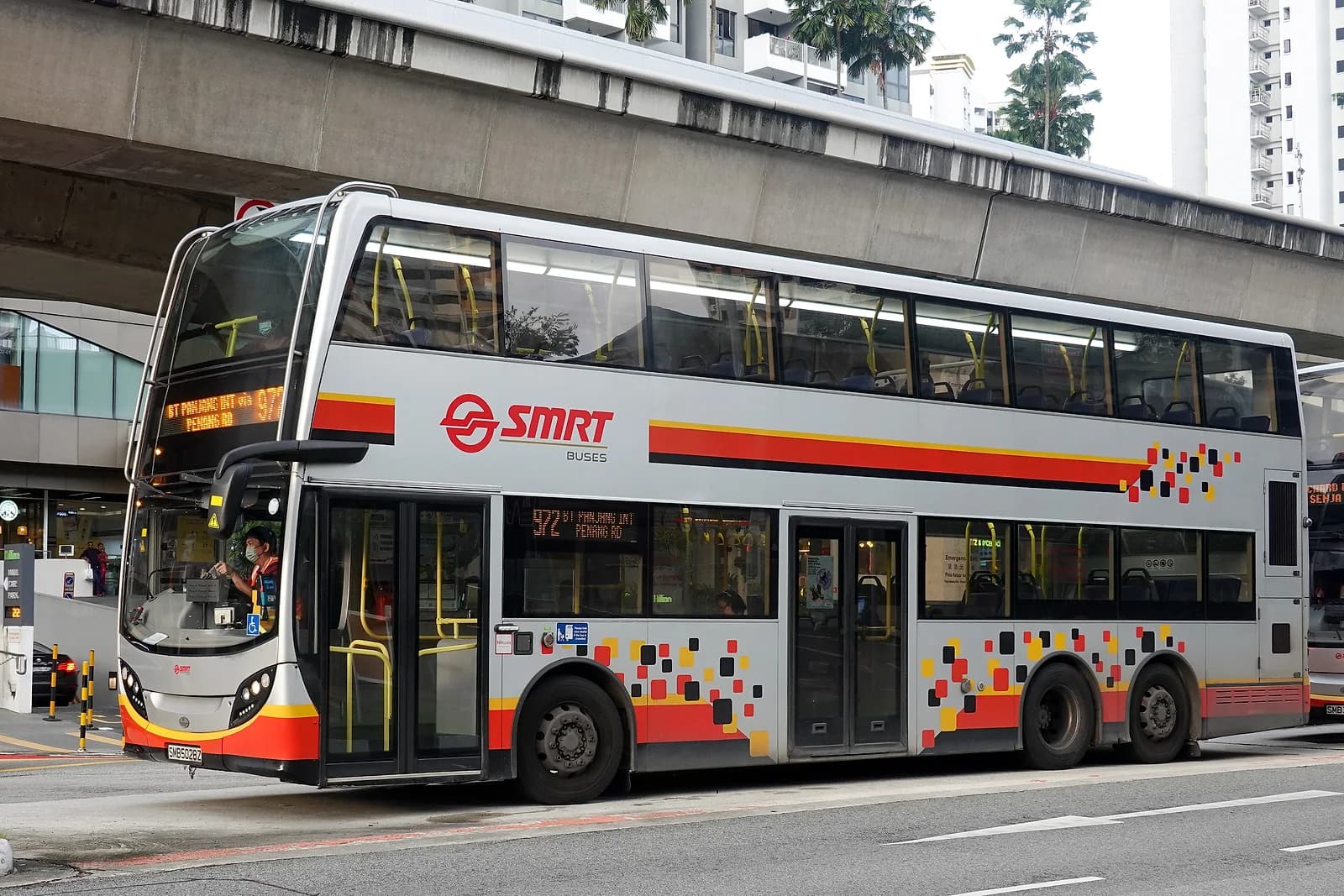
Singapore Will Fine You S$500 for Loud Music on the Bus. Zouk Will Still Sell You a S$20,000 Table.
From this Wednesday, playing loud audio on a Singapore bus can cost S$500. Fifteen minutes away at Zouk, a table still costs up to S$20,000 and nobody calls that a public nuisance.
From this Wednesday, holding your phone up on a Singapore public bus with the speaker on can cost you S$500 (about US$390). That is real money: more than three months of unlimited MRT and bus travel, more than most people here spend on groceries in two weeks. Fifteen minutes down the road at Zouk, on a Saturday when the room is full, a table for the night can run S$20,000 and nobody involved considers that a public order problem.
That is not a metaphor. It is Wednesday's actual news.
What the LTA Actually Banned
The Land Transport Authority confirmed on September 21 that two new regulations, the Bus Services Industry (Control of Conduct and Activities, Public Bus) Regulations 2026 and its bus-interchange counterpart, take effect September 23. Playing audio at a loud volume, putting your feet on the seats, eating, drinking or littering on a bus can now draw a fine of up to S$500. Causing obstruction or danger at an interchange, or soiling a bus or terminal, escalates to S$5,000. Bus captains cannot write the tickets themselves; staff from Singapore's four bus operators issue an Administrative Notification of Offence, and the LTA follows up. The rules mirror restrictions already in force on the MRT, closing a gap that has existed since the trains got their own conduct laws years ago. The LTA's language for all this is "positive commuter conduct" and a "considerate" public transport environment, which is a very Singaporean way of describing a fine.
The Same City, After Dark
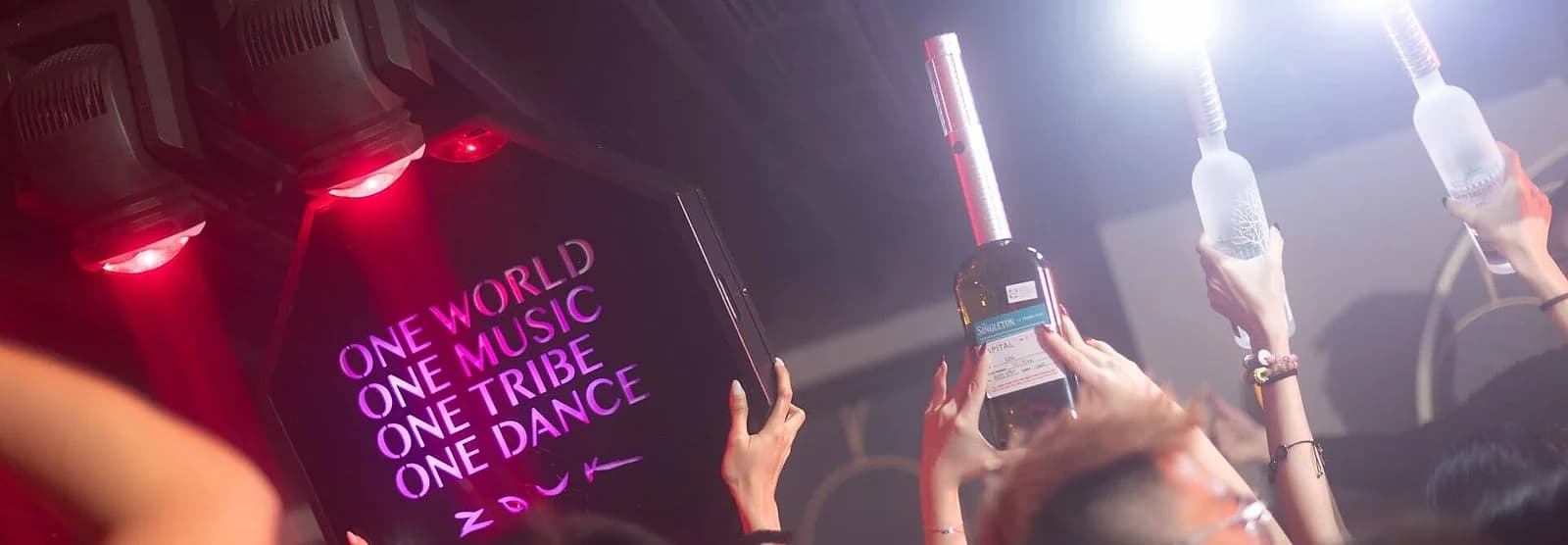
Walk fifteen minutes from a bus stop on Eu Tong Sen Street and you are at Zouk, the room that has spent the better part of two decades near the top of DJ Mag's world club rankings and still anchors the Clarke Quay strip most nights of the week. Table and bottle service there is not a rounding error: nightlife booking platform Discotech lists Zouk's cheapest VIP table at S$1,000, an average night's table around S$5,000, and its top package at S$20,000. Multiply the noise, the crowding, the actual decibel level of a full room at 2am, by whatever multiple you like. None of it gets a fine. It gets a bottle list.
What Nobody's Fining
This isn't really a story about a S$500 fine. It's a story about which noise a city decides is a nuisance and which noise it decides is a product. A stranger's phone speaker on the 972 bus is a nuisance, worth legislating out of existence with two new regulations and an enforcement chain running through four transit operators. A packed dancefloor with the bass turned up and a bottle sparkler held over someone's head is a product, worth a cover charge and a minimum spend. Singapore has never pretended otherwise: this is a country that will cane you for jaywalking and let you buy a table with bottomless Grey Goose two nights later, and its clubbing economy runs on precisely that split. The bus rule isn't hypocrisy so much as the same instinct in two different rooms, keep the shared, free space frictionless and orderly, and let the paid, private one absorb whatever noise people are willing to pay for.
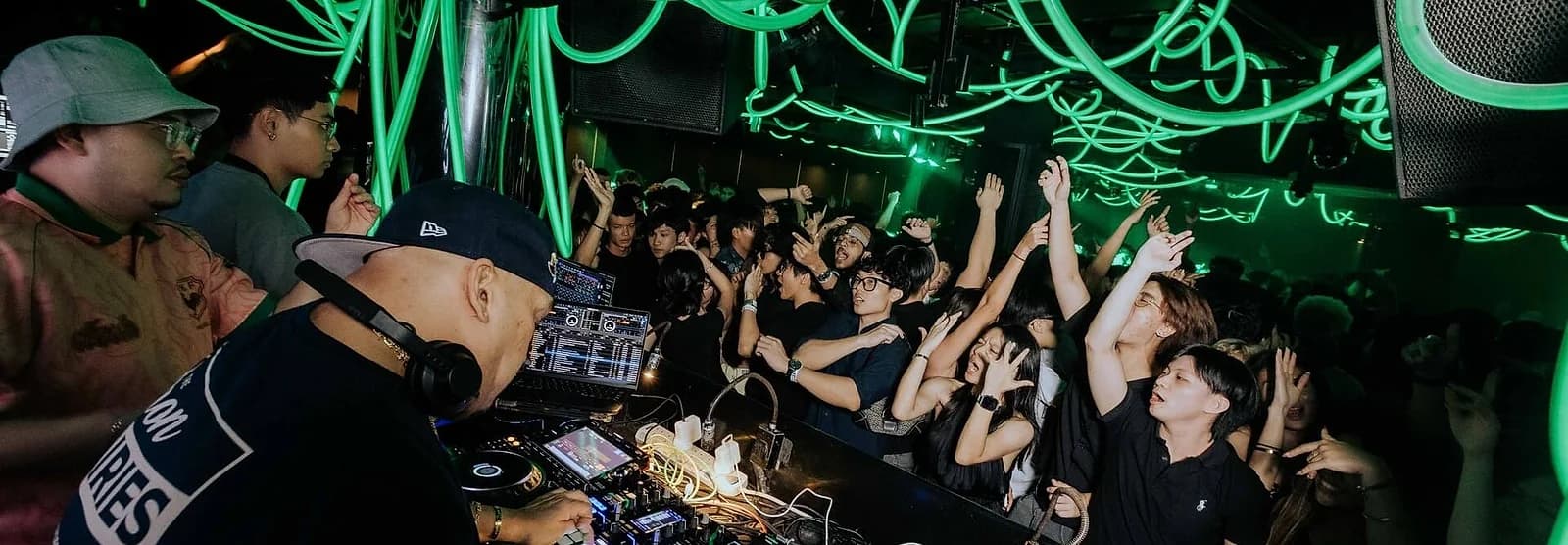
For anyone who has actually tipped a bottle-service waiter or worked out what a table really costs at a club like Zouk, none of this will feel like news exactly. It will feel like confirmation. Singapore's door policy has always worked on the same logic as its transit rules: pay enough, and the noise becomes somebody else's problem to manage, not yours to be fined for. The bus rule just makes the boundary of that arrangement official, and puts a price on the version of it you can't afford a table for.
Cover photo: Timothy A. (Tagooty), CC BY-SA 4.0, via Wikimedia Commons.
Read Next

Stay in the loop
Asian electronic music, weekly